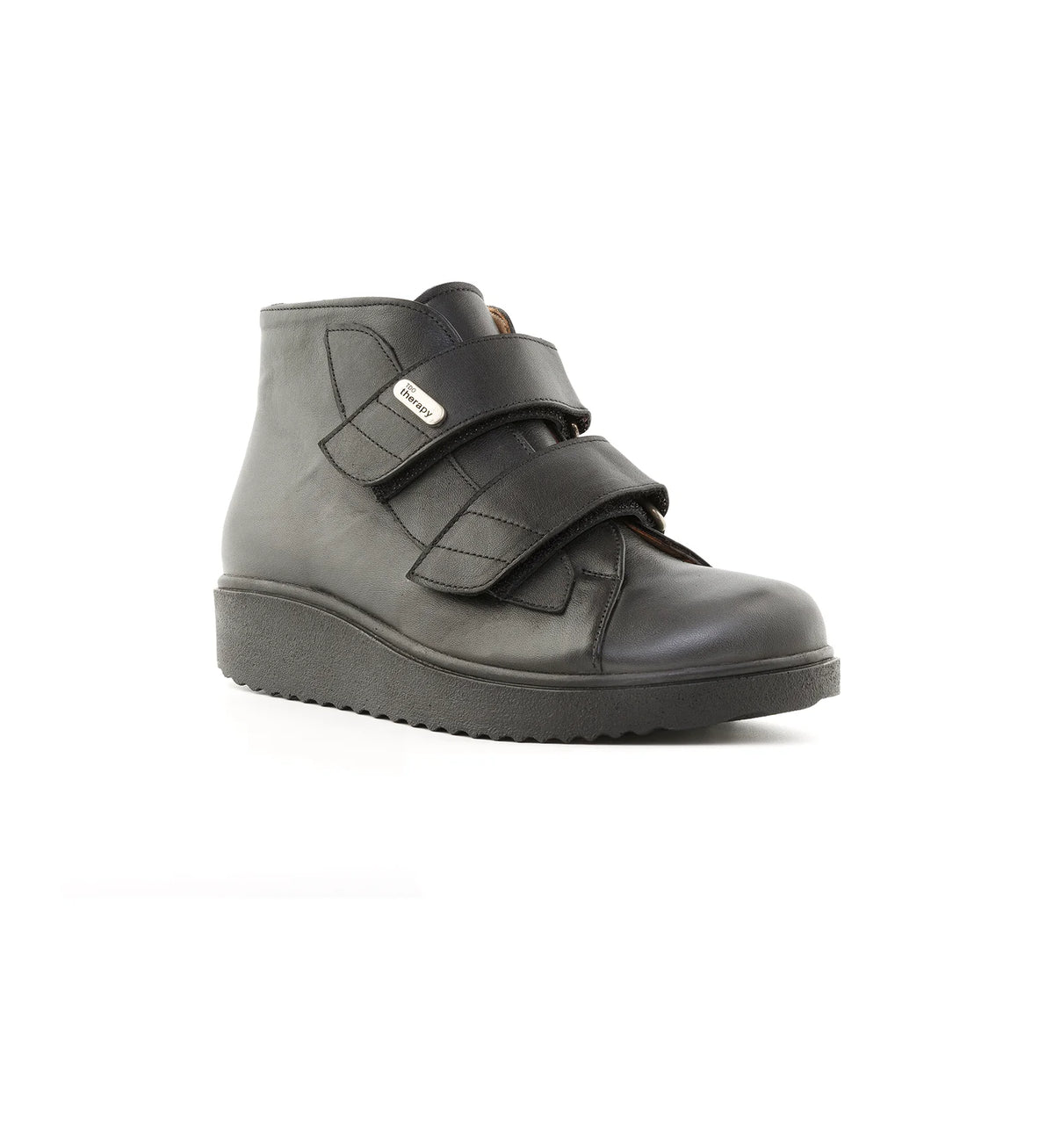

As we grow older, the simple act of moving — something we once did without thinking — can start to feel more challenging. Feet become more sensitive, joints stiffen, balance shifts, and everyday walking may require more effort than before. Yet staying active is one of the most important pillars of healthy ageing. The right footwear becomes not just a comfort choice, but a powerful tool for maintaining independence, strength, and confidence.
Orthopedic shoes designed specifically for aging feet can transform the walking experience. They reduce pain, improve balance, support circulation, and cushion the body from everyday impact. Most importantly, they give older adults the confidence to move — whether it’s strolling through the garden, taking a bus into town, or enjoying long family outings.
At TDO Therapy, we craft orthopedic shoes that help older adults feel steady, supported, and secure. This guide explains why confidence in movement declines with age, and how the right footwear helps restore comfort and freedom step by step.
Why Confidence in Movement Declines With Age
Ageing brings natural changes to the body — especially to the feet. These changes can impact balance, comfort, and walking ability.
1. Weaker Muscles and Tendons
Muscles help the body stabilise each step. With age, these muscles become:
-
Less responsive
-
Slower to react
-
Prone to fatigue
This can create an unsteady or cautious walking pattern.
2. Reduced Sensation (Neuropathy)
Nerve changes can make it harder to feel:
-
Ground texture
-
Pressure changes
-
Irritation
-
Foot placement
This increases the risk of missteps and falls.
3. Changes in Foot Structure
As the years pass, feet may develop:
-
Flat arches
-
Bunions
-
Hammertoes
-
Stiff joints
-
Widening or swelling
These changes make ordinary shoes feel uncomfortable or unstable.
4. Stiffness in Ankles, Knees, and Hips
Joint stiffness affects stride length and balance, causing older adults to adjust their walking style to compensate — often leading to fatigue or instability.
5. Loss of Fat Pads Under the Feet
The natural cushioning beneath the heel and forefoot thins with age, making each step feel harder and more painful.
How Footwear Can Help Rebuild Confidence in Movement
Quality orthopedic footwear doesn’t just support the feet — it supports the whole person. Here’s how the right shoes dramatically improve comfort and confidence for older adults.
1. Stability to Prevent Falls
Falls are one of the biggest concerns for older adults. Orthopedic shoes offer stability features such as:
-
Firm heel counters
-
Structured midfoot support
-
Non-slip outsoles
-
Rocker soles for smooth gait
-
Balanced, wide bases
This helps reduce wobbling, misalignment, and tripping hazards — essential for confident movement.
2. Pain Relief for Everyday Comfort
Aging feet often suffer from:
-
Arthritis
-
Plantar fasciitis
-
Bunions
-
Swelling
-
Sensitivity
Orthopedic footwear addresses these issues with:
-
Cushioned memory foam
-
Shock-absorbing soles
-
Seamless interior linings
-
Extra depth for pressure-free movement
When pain disappears, confidence naturally returns.
3. Better Balance Through Proper Alignment
Poor foot alignment affects the entire body. Orthopedic shoes keep the foot stable so the legs and back don’t have to overcompensate.
Balanced alignment results in:
-
More stable steps
-
Less fatigue
-
Better posture
-
Improved walking rhythm
Older adults feel more secure simply because the body is supported correctly.
4. Support for Swollen or Changing Feet
Feet change throughout the day — swelling, contracting, shifting shape. Aging feet often require:
-
Wide fittings
-
Extra-deep toe boxes
-
Soft natural materials
-
Adjustable straps
These features ensure comfort stays consistent from morning to evening.
5. Smooth Walking with Rocker Bottom Technology
Rocker bottom soles are a game-changer for older adults.
They help by:
-
Reducing forefoot pressure
-
Supporting the heel-to-toe roll
-
Making walking feel easier
-
Encouraging natural movement
-
Preventing shuffling gait
This is one of the biggest ways orthopedic shoes restore confidence.

Key Features Shoes Must Have to Support Aging Feet
Not all shoes are designed for aging needs. Orthopedic footwear should include:
1. Wide & Extra-Deep Fittings
To prevent pressure on bunions, swelling, and sensitive toes.
2. Natural Calf Leather Uppers
For breathability, flexibility, and temperature regulation.
3. Memory Foam Cushioning
To compensate for thinning fat pads under the feet.
4. Seamless Interiors
To protect fragile or diabetic skin.
5. Stable Heel Supports
To maintain balance and prevent wobbling.
6. Lightweight Rocker Soles
To reduce joint strain and help older adults move more easily.
7. Shock-Absorbing Midsoles
For reduced impact on ankles, knees, and hips.
When all these elements combine, the shoe becomes a supportive partner — not a barrier — to movement.
How TDO Therapy Shoes Help Older Adults Move with Confidence
Every pair of TDO Therapy orthopedic shoes is engineered specifically for comfort, stability, and support during ageing.
✔ Rocker soles for smoother, effortless walking
✔ Wide and extra-deep fittings for swelling and deformities
✔ Seamless interiors to protect sensitive skin
✔ Premium natural calf leather for breathability
✔ Memory foam layers for cushioned relief
✔ Reinforced heel counters for stability
✔ Lightweight construction to reduce fatigue
Together, these features rebuild trust in each step.
The Emotional Side of Confidence in Movement
Regaining physical comfort is only part of the story. For many older adults, movement confidence affects:
✔ Independence
Walking without hesitation encourages participation in daily routines.
✔ Social connection
Confident walking makes outings, visits, and events easier and more enjoyable.
✔ Mental wellbeing
Mobility is directly linked to mood, self-esteem, and overall happiness.
✔ Quality of life
When the fear of falling or discomfort fades, life opens up again.
Orthopedic shoes play a surprisingly powerful role in restoring dignity and daily enjoyment.
Signs That Aging Feet Need Better Footwear
You may need supportive orthopedic footwear if you notice:
-
Feeling unsteady when walking
-
Pain in heels, arches, or forefoot
-
Swollen feet by midday
-
Shoes feeling too tight
-
Difficulty finding comfortable shoes
-
Increased fatigue during short walks
-
Numbness or tingling
-
Frequent tripping on uneven surfaces
-
Shuffling instead of stepping
The right shoes can reverse many of these issues.
Everyday Movements That Become Easier with Proper Footwear
✔ Getting up from a chair
✔ Walking on uneven paths
✔ Shopping or running errands
✔ Standing in the kitchen
✔ Moving around the home
✔ Climbing stairs
✔ Going for a stroll
✔ Visiting family
Supportive shoes make daily living smoother and more enjoyable.
Frequently Asked Questions
Can orthopedic shoes prevent falls?
Yes — stability features, rocker soles, and supportive designs help reduce fall risks.
Are orthopedic shoes good for swelling?
Absolutely. Wide, extra-deep fittings and soft materials help relieve pressure.
Do older adults need rocker soles?
Rocker soles make walking easier, smoother, and more energy-efficient.
Are TDO Therapy shoes good for aging feet?
Yes — they are specifically engineered for aging, sensitive, and swollen feet.
Final Thoughts
Confidence in movement is essential for healthy ageing — and the right footwear can restore it. When shoes cushion each step, stabilise alignment, and ease pressure on aging joints, older adults walk more freely, safely, and happily.
At TDO Therapy, our orthopedic shoes give aging feet the support they need to reclaim comfort, independence, and confidence. Every step becomes smoother, lighter, and more secure — empowering you to keep moving, keep exploring, and keep living life fully.