
Walking is one of the simplest, healthiest, and most accessible forms of exercise. It supports heart health, improves mobility, and strengthens muscles — but for many people, walking becomes uncomfortable long before their stamina runs out. Foot pain, joint strain, fatigue, and improper alignment often limit how far or how long we can walk.
The solution is not just “more cushions” or “softer shoes.” What truly allows you to walk longer without pain is support, alignment, and pressure distribution — the three pillars of orthopedic footwear design.
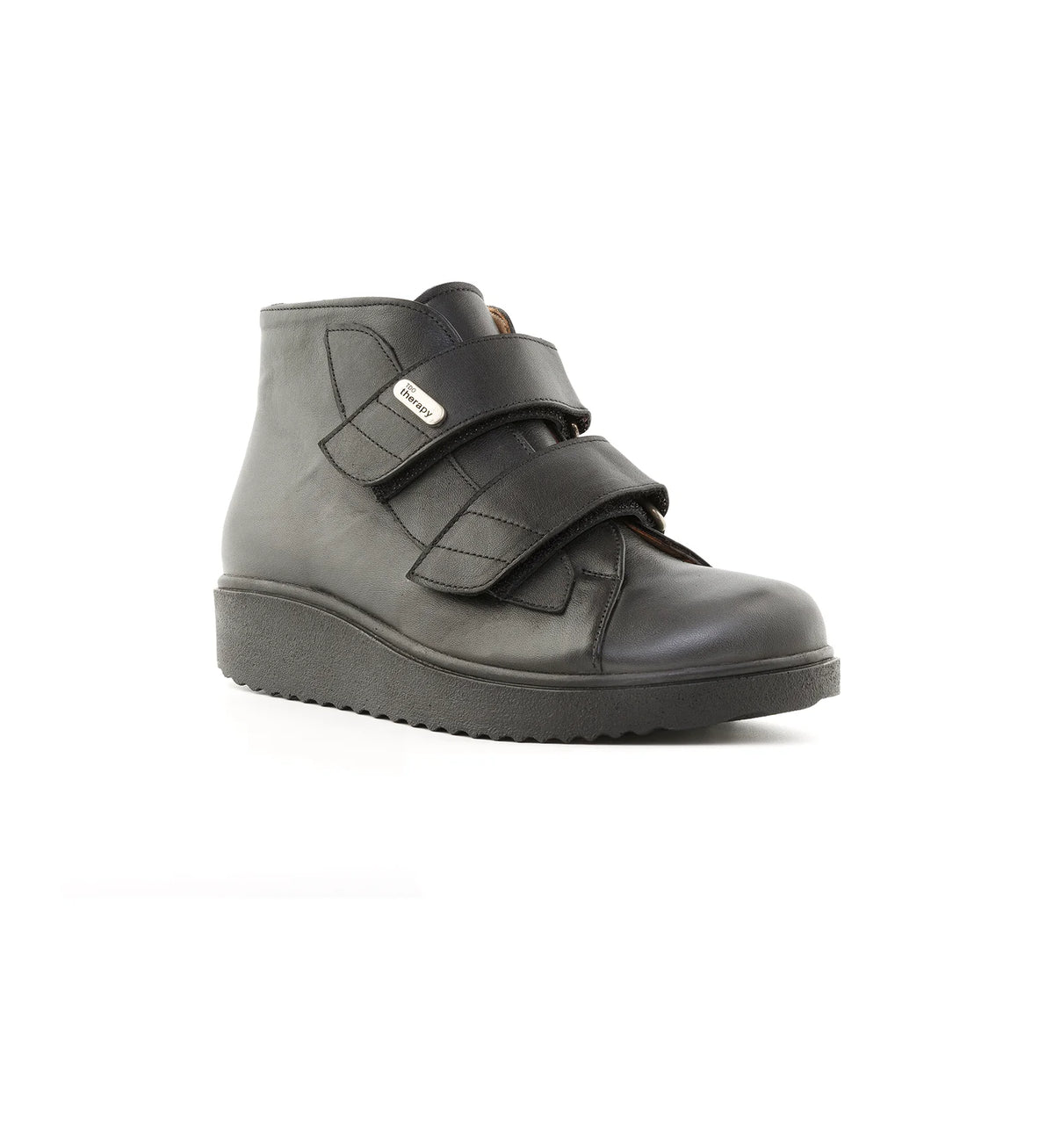
Orthopedic shoes, like those created by TDO Therapy, are engineered to reduce strain with every step, protect the joints, and support the natural movement of the foot. They help you walk farther, stay active longer, and enjoy daily life with greater ease.
In this guide, we’ll explore exactly how orthopedic footwear boosts walking endurance, reduces discomfort, and supports overall foot health.
Why Walking Becomes Painful
Painful walking doesn’t happen overnight. It develops gradually due to changes in the feet, posture, and biomechanics.
1. Improper Foot Alignment
When arches collapse or ankles roll in (pronation), the pressure spreads unevenly. This leads to:
-
Heel pain
-
Knee strain
-
Hip discomfort
-
Lower back pain
-
Fatigue
Poor alignment makes every step harder on the body.
2. Pressure Build-Up in Sensitive Areas
Common hotspots include:
-
Ball of the foot
-
Heels
-
Big toe joint
-
Sides of the feet
If pressure isn’t evenly distributed, pain builds up quickly.
3. Lack of Cushioning
As we age, the natural fat pads under our feet thin out. This makes walking on hard surfaces more painful.
4. Swelling and Inflammation
Standing or walking for long periods can cause:
-
Edema
-
Redness
-
Tenderness
-
Skin irritation
Swelling makes shoes feel tighter, causing more pain.
5. Overworked Muscles and Tendons
When shoes don’t support the foot properly, muscles work harder to stabilise each step. Fatigue sets in quickly.
How Orthopedic Shoes Help You Walk Longer Without Pain
Orthopedic footwear addresses the root causes of discomfort by improving the mechanics of your stride and protecting your feet from strain.
1. Proper Alignment Reduces Total Body Stress
Orthopedic shoes keep the foot in a natural position by:
-
Supporting the arches
-
Aligning the ankle
-
Correcting inward or outward rolling
-
Guiding the foot through a stable motion
This reduces stress on:
-
Knees
-
Hips
-
Lower back
-
Ankles
When your body is aligned, walking becomes almost effortless — letting you go longer distances comfortably.
2. Pressure Distribution Prevents Pain Hotspots
A key benefit of orthopedic footwear is reducing the build-up of pressure in one place.
Specialized footbeds and cushioning layers distribute weight evenly across the entire foot, relieving:
-
Ball-of-foot pain
-
Heel pressure
-
Bunions
-
Forefoot discomfort
Instead of one part working overtime, the whole foot shares the load.
3. Rocker Bottom Soles Make Walking More Efficient
Rocker soles are one of the most effective orthopedic technologies for extended walking.
They help by:
-
Reducing bending in the forefoot
-
Encouraging smoother heel-to-toe movement
-
Minimising joint strain
-
Preventing fatigue
-
Reducing pressure on sensitive areas
Every step requires less effort — meaning you can walk longer without feeling worn out.
4. Shock Absorption Protects Joints
Each step creates impact forces that travel through the heel, ankle, knee, and hips. Orthopedic shoes use:
-
Cushioning midsoles
-
Memory foam layers
-
Shock-absorbing heel structures
This reduces the force on joints and soft tissues, making longer walks more comfortable.
5. Wide & Deep Fittings Prevent Rubbing and Swelling Pain
Walking long distances often causes:
-
Swelling
-
Pressure points
-
Toe cramping
-
Blisters
Orthopedic shoes prevent this by offering:
-
Roomy toe boxes
-
Extra depth
-
Adjustable closures
-
Soft natural materials
Your feet can expand naturally without feeling trapped.
6. Improved Stability Reduces Fatigue and Fear of Falling
Fatigue increases dramatically when the body must constantly stabilise itself. Orthopedic shoes improve stability with:
-
Reinforced heel counters
-
Torsion-resistant soles
-
Balanced bases
-
Non-slip outsoles
Better stability means your muscles don’t have to work as hard — and you can walk farther without tiring.
7. Temperature-Regulating Materials Prevent Overheating
Hot, sweaty feet become sore quickly. Breathable materials such as natural calf leather help regulate temperature and reduce moisture build-up, allowing longer, more enjoyable walks.

Conditions That Benefit Most from Orthopedic Shoes
These shoes can dramatically improve walking endurance for those with:
-
Plantar fasciitis
-
Arthritis
-
Neuropathy
-
Bunions
-
Hammertoes
-
Diabetes
-
Swollen feet
-
Flat feet or high arches
-
Balance issues
-
Heel pain
-
Metatarsalgia
But even people without medical conditions benefit from orthopedic support.
Signs Your Current Shoes Limit Your Walking
You may need orthopedic shoes if you experience:
-
Foot pain after less than 30 minutes of walking
-
Pressure in the ball of the foot
-
Heel pain in the morning
-
Burning or tingling
-
Swelling by mid-day
-
Blisters or friction spots
-
Feeling unstable on uneven ground
-
Fatigue much sooner than expected
The right shoes can eliminate many of these issues almost immediately.
How TDO Therapy Shoes Help You Walk Longer
TDO Therapy orthopedic footwear includes advanced features that support long-distance walking:
✔ Rocker bottom soles for natural, efficient gait
✔ Memory foam cushioning for reduced impact
✔ Wide and extra-wide options for swelling
✔ Natural calf leather for breathability
✔ Seamless interiors for irritation-free comfort
✔ Reinforced heel support for stability
✔ Lightweight materials to reduce fatigue
Every design element is created for smoother, longer, and more comfortable movement.
Tips for Walking Longer with Less Pain
Pair your orthopedic shoes with healthy walking habits:
✔ Start with warm-up stretches
✔ Walk at a comfortable pace
✔ Take short breaks during long walks
✔ Stay hydrated
✔ Wear moisture-wicking socks
✔ Replace shoes when cushioning wears out
✔ Choose supportive insoles if needed
Combined with orthopedic footwear, these habits significantly reduce pain and fatigue.
Frequently Asked Questions
Do orthopedic shoes help with long-distance walking?
Yes — they improve alignment, cushioning, and efficiency so you can walk farther comfortably.
Can rocker soles really reduce pain?
Absolutely. They reduce forefoot pressure and encourage smoother motion.
Are orthopedic shoes good for swelling?
Yes — wide, deep designs and soft materials help accommodate swelling.
Do TDO Therapy shoes work for daily walking?
Yes — they are designed specifically for all-day comfort and extended walking.
Final Thoughts
Walking should be an enjoyable, pain-free activity — not something limited by discomfort. Orthopedic shoes make it possible to walk longer by improving alignment, distributing pressure, absorbing shock, stabilising movement, and supporting the foot’s natural structure.
With the right footwear, your steps become lighter, smoother, and more energised — allowing you to regain confidence, mobility, and freedom in your everyday life.
At TDO Therapy, our orthopedic shoes are designed to help you walk further, feel better, and live more actively — one comfortable step at a time.