
-
Glide – Men's Wide Fit Orthopedic Diabetic Shoes (TDO 606-M)Glide – Men's Wide Fit Orthopedic Diabetic Shoes (TDO 606-M)


-
Ashby – Men's Extra Wide Fit Orthopedic Diabetic Shoes (TDO 615.20-UNI)Ashby – Men's Extra Wide Fit Orthopedic Diabetic Shoes (TDO 615.20-UNI)


-
Kendal – Men's Extra Wide Fit Orthopedic Diabetic Shoes (TDO 902-M)Kendal – Men's Extra Wide Fit Orthopedic Diabetic Shoes (TDO 902-M)


-
Flex – Men's Wide Fit Orthopedic Trainers (TDO 609-M)Flex – Men's Wide Fit Orthopedic Trainers (TDO 609-M)


-
Flex Air – Men's Wide Fit Orthopedic Trainers (TDO 609.14-M)Flex Air – Men's Wide Fit Orthopedic Trainers (TDO 609.14-M)


-
Ashby – Men's Extra Wide Fit Orthopedic Stretchy Shoes (TDO 616.06.20-UNI)Ashby – Men's Extra Wide Fit Orthopedic Stretchy Shoes (TDO 616.06.20-UNI)


-
Forge – Men's Extra Wide Fit Orthopedic Diabetic Lace-Up Boots (TDO 415.20-M)Forge – Men's Extra Wide Fit Orthopedic Diabetic Lace-Up Boots (TDO 415.20-M)


-
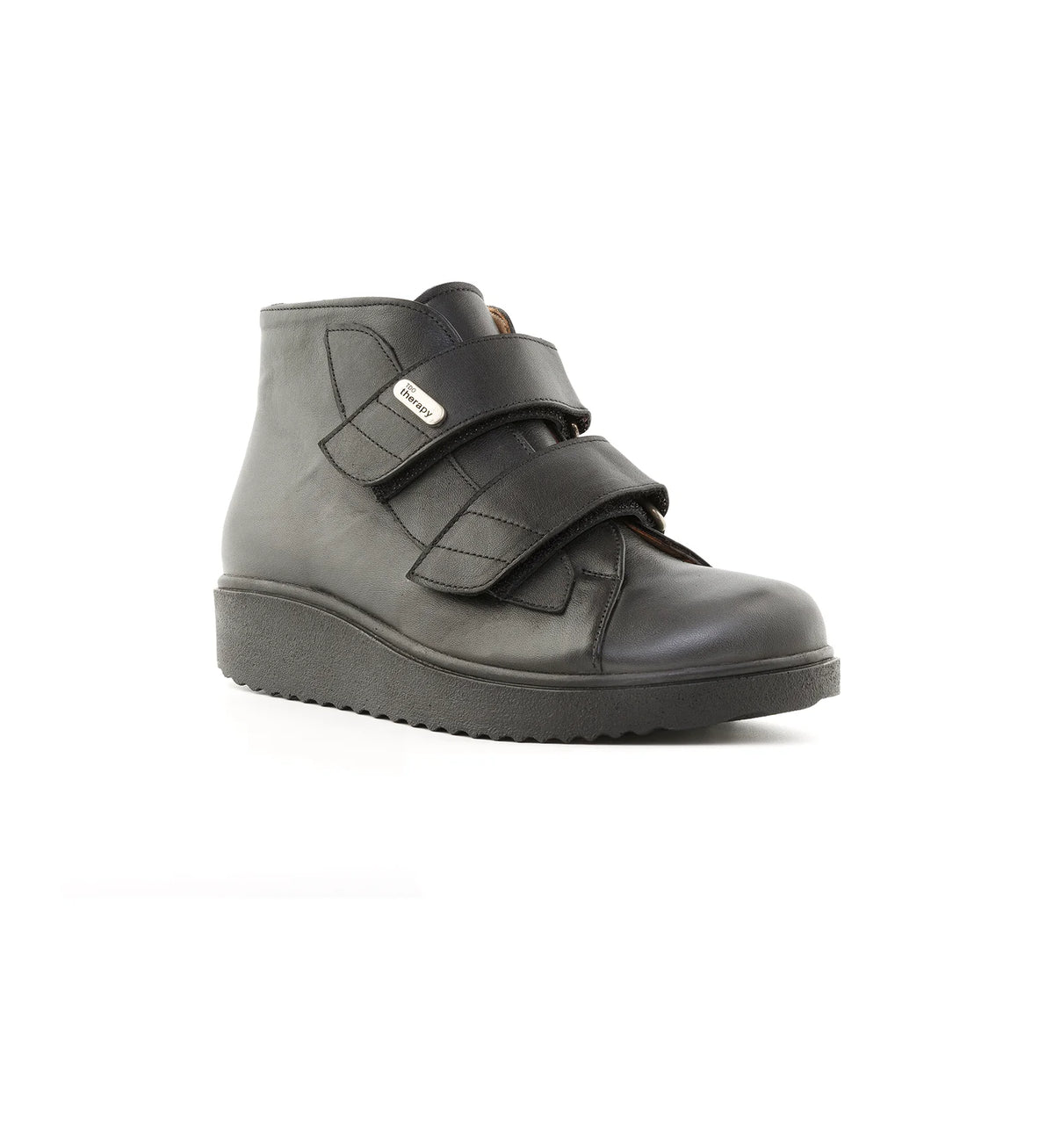
Summit – Men's Extra Wide Fit Orthopedic Diabetic Boots (TDO 412.20-M)Summit – Men's Extra Wide Fit Orthopedic Diabetic Boots (TDO 412.20-M)

-
Kent – Men's Extra Wide Fit Orthopedic Diabetic Shoes (TDO 201.20-M)Kent – Men's Extra Wide Fit Orthopedic Diabetic Shoes (TDO 201.20-M)


-
Ease – Men's Extra Wide Fit Orthopedic Diabetic Shoes (TDO 617.20-UNI)Ease – Men's Extra Wide Fit Orthopedic Diabetic Shoes (TDO 617.20-UNI)


-
Windsor – Men's Orthopedic Diabetic Shoes (TDO 208-M)Windsor – Men's Orthopedic Diabetic Shoes (TDO 208-M)


-
Charles – Men's Orthopedic Diabetic Shoes (TDO 218-M)Charles – Men's Orthopedic Diabetic Shoes (TDO 218-M)


-
Glide – Men's Extra Wide Fit Orthopedic Diabetic Shoes (TDO 606.20-UNI)Glide – Men's Extra Wide Fit Orthopedic Diabetic Shoes (TDO 606.20-UNI)


-
Ashby – Men's Wide Fit Orthopedic Diabetic Shoes (TDO 615-M)Ashby – Men's Wide Fit Orthopedic Diabetic Shoes (TDO 615-M)


-
Ashby – Men's Extra Wide Fit Orthopedic Diabetic Breathable Mesh Shoes (TDO 616.20.19-M)

 Ashby – Men's Extra Wide Fit Orthopedic Diabetic Breathable Mesh Shoes (TDO 616.20.19-M)
 -
Anthony – Wide Fit Orthopedic Shoes for Assisted Mobility (TDO 609-ORZ-UNI)Anthony – Wide Fit Orthopedic Shoes for Assisted Mobility (TDO 609-ORZ-UNI)


-
Roam – Men’s Extra Wide Fit Orthopedic Diabetic Boots (TDO 403.20-M)Roam – Men’s Extra Wide Fit Orthopedic Diabetic Boots (TDO 403.20-M)


-
Preston – Men’s Wide Fit Orthopedic Slip-On Walking Shoes (TDO 209-M)Preston – Men’s Wide Fit Orthopedic Slip-On Walking Shoes (TDO 209-M)


-
Marlow – Men’s Wide Fit Orthopedic Diabetic Trainers (TDO 603-M)Marlow – Men’s Wide Fit Orthopedic Diabetic Trainers (TDO 603-M)


-
Glide – Men's Wide Fit Orthopedic Diabetic Breathable Mesh Shoes (TDO 611.09-M)Glide – Men's Wide Fit Orthopedic Diabetic Breathable Mesh Shoes (TDO 611.09-M)


-
Chelsea – Men’s Wide Fit Orthopedic Diabetic Ankle Boots (TDO 413-M)Chelsea – Men’s Wide Fit Orthopedic Diabetic Ankle Boots (TDO 413-M)


-
Marlow – Men’s Extra Wide Fit Orthopedic Diabetic Trainers (TDO 603.20-M)Marlow – Men’s Extra Wide Fit Orthopedic Diabetic Trainers (TDO 603.20-M)


-
Kent – Men's Wide Fit Orthopedic Diabetic Shoes (TDO 201-M)Kent – Men's Wide Fit Orthopedic Diabetic Shoes (TDO 201-M)


-
Kendal – Men's Wide Fit Orthopedic Diabetic Shoes (TDO 902-K-M)Kendal – Men's Wide Fit Orthopedic Diabetic Shoes (TDO 902-K-M)


Disclaimer: This information is for general guidance and does not replace advice from a qualified healthcare professional. If you have persistent pain, swelling, reduced sensation, or another medical concern, seek professional advice.