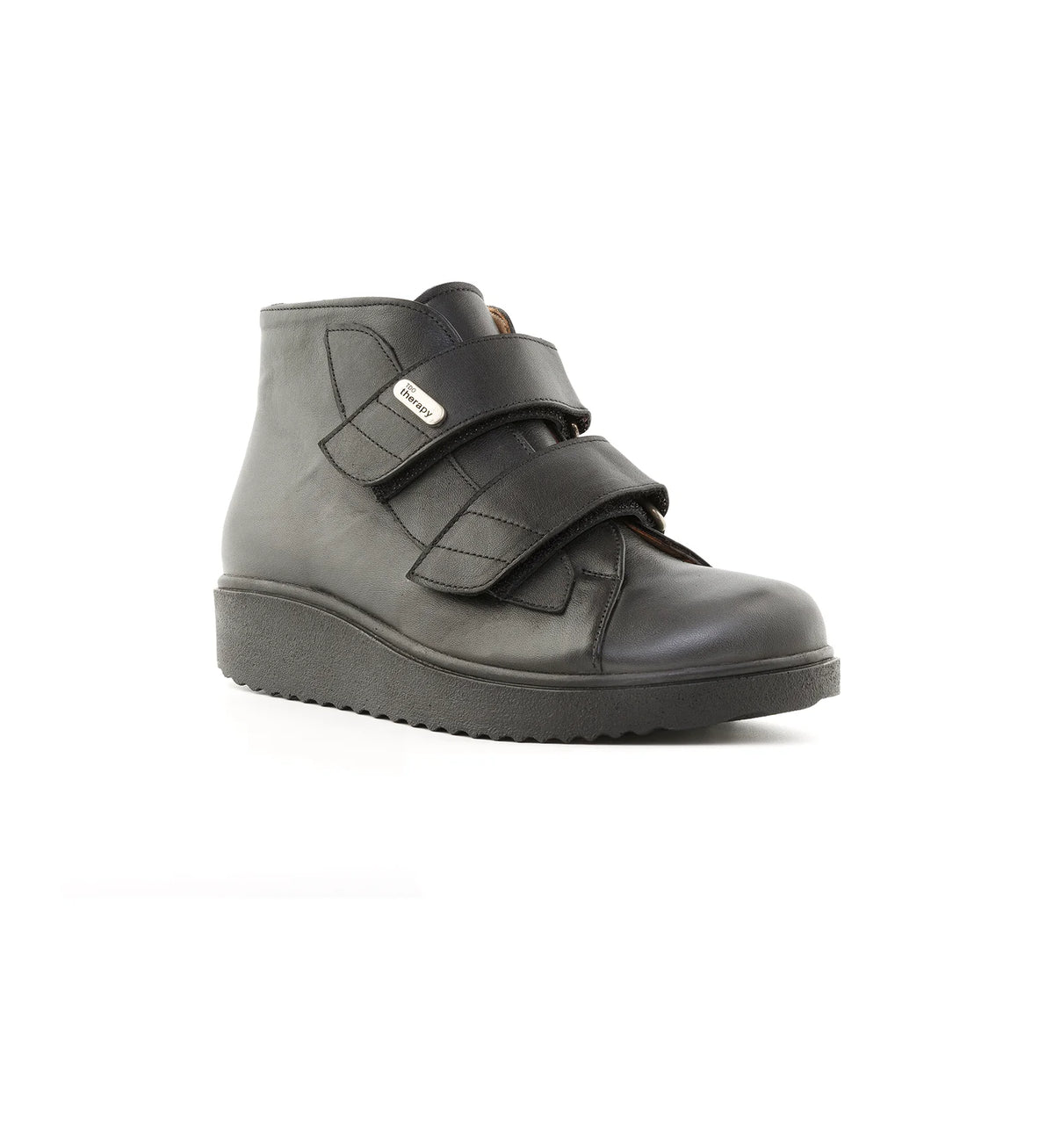

Ageing gracefully isn’t just about looking youthful — it’s about moving with ease, comfort, and confidence as the years go by. The ability to stay active, enjoy hobbies, travel, and participate in everyday life depends heavily on something most of us overlook for decades: the health of our feet.
As we age, our feet change. Arches lower, joints stiffen, muscles weaken, and the natural fat pads that protect our heels and forefoot begin to thin. These changes affect balance, posture, stability, and overall mobility. When the wrong shoes are worn during this stage of life, discomfort escalates quickly. The right supportive shoes, however, can make a profound difference — helping older adults move more freely, avoid injuries, and maintain independence.
Supportive shoes are not just a comfort luxury; they are an essential part of graceful ageing. They protect the body from strain, encourage proper alignment, and allow the feet, joints, and muscles to work more efficiently.
In this guide, we’ll explore why supportive orthopedic footwear is crucial for healthy, confident ageing — and how choosing the right pair can help you feel years younger in the way you move, walk, and live.
How Feet Change as We Age
Understanding how feet evolve over time shows why supportive shoes matter more with every passing year.
1. Arches Naturally Drop
Collapsing arches (or adult-acquired flat feet) cause:
-
Overpronation
-
Heel pain
-
Knee misalignment
-
Extra strain on tendons and ligaments
Supportive shoes help stabilise fallen arches and reduce discomfort.
2. Fat Pads Thin Out
The cushioning under the heel and ball of the foot diminishes with age, making every step feel harsher.
Orthopedic cushioning mimics lost padding and absorbs impact.
3. Joints Become Stiffer
Arthritis, wear-and-tear, and reduced mobility can make:
-
Toe joints stiff
-
Ankles tight
-
The midfoot less flexible
Supportive shoes compensate for reduced mobility and help maintain smoother movement.
4. Balance Slowly Declines
Ageing affects:
-
Muscle tone
-
Reaction time
-
Proprioception (awareness of foot placement)
Stable footwear reduces the risk of falls — one of the biggest threats to independence.
5. Feet Become Wider or Swollen
Tendons stretch and soft tissues loosen, often causing:
-
Wider forefeet
-
Pronounced bunions
-
Swelling (edema)
-
Difficulty fitting into old shoes
Supportive orthopedic designs adapt to these changes without causing pressure or friction.
Why Supportive Shoes Are Essential for Ageing Gracefully
Supportive shoes are not simply more comfortable — they actively improve posture, movement, joint health, and overall independence.
1. They Reduce Pain in the Feet, Knees, Hips, and Back
Poor footwear contributes to a chain reaction throughout the body. When feet are unsupported, pressure rises in the:
-
Knees
-
Hips
-
Lower back
-
Ankles
Supportive orthopedic shoes encourage proper alignment, preventing pain before it starts.
Better support = better posture = less discomfort.
2. They Improve Balance and Prevent Falls
Falls are one of the leading causes of injury in older adults. Shoes with proper support:
-
Keep the foot stable
-
Prevent ankle rolling
-
Improve ground contact
-
Reduce slipping risk
-
Encourage confidence with every step
Supportive shoes protect both physical safety and self-assurance.
3. They Cushion the Impact of Every Step
Hard floors and pavements create repeated shock forces. Without protective cushioning, older adults feel:
-
Heel pain
-
Joint stiffness
-
Fatigue
-
Soreness
Memory foam and orthopedic cushioning absorb these forces, making walking easier and more enjoyable.
4. They Support Natural Walking Motion
Rocker soles — a key feature in orthopedic footwear — help the foot roll smoothly from heel to toe. This is especially beneficial for aging individuals who may experience:
-
Stiff toes
-
Limited ankle movement
-
Weakness in the calves
-
Slower stride patterns
Rocker soles make movement feel almost effortless.
5. They Accommodate Swelling and Changing Foot Shapes
The older we get, the more our feet swell throughout the day. Supportive shoes accommodate this by offering:
-
Wide and extra-wide fittings
-
Extra depth
-
Adjustable Velcro straps
-
Soft, stretchable materials
This prevents discomfort and ensures shoes remain comfortable from morning to night.
6. They Protect Sensitive or Diabetic Skin
Ageing often brings:
-
Thinner skin
-
Slower healing
-
Increased sensitivity
-
Higher risk of irritation
Seamless interiors, soft leather, and anti-microbial linings protect delicate skin and prevent blisters or ulcers.
7. They Enhance Circulation
Good shoes improve blood flow by preventing pressure points and allowing room for natural expansion.
For older adults with:
-
Diabetes
-
Varicose veins
-
Neuropathy
-
Poor circulation
Supportive orthopedic footwear becomes a medical necessity.

The Features Every Older Adult Needs in Supportive Footwear
Not all supportive shoes are created equal. For graceful ageing, look for these essential features:
✔ Stable, supportive heel counters
✔ Rocker bottom soles for smooth movement
✔ Wide, extra-wide, and extra-deep fittings
✔ Memory foam cushioning
✔ Breathable natural leather uppers
✔ Seamless, irritation-free interiors
✔ Lightweight construction
✔ Shock-absorbing midsoles
✔ Reinforced midfoot stability
These features work together to protect feet, joints, skin, and mobility.
How Supportive Shoes Improve Quality of Life
Wearing supportive shoes isn’t just about physical comfort — it enhances your entire lifestyle.
1. You Walk More Easily and More Often
When walking doesn’t hurt, you naturally move more. This supports:
-
Healthy weight
-
Cardiovascular fitness
-
Energy levels
-
Independence
Movement is medicine, and supportive footwear makes it possible.
2. You Stay Active with Confidence
Supportive shoes help older adults enjoy:
-
Gardening
-
Shopping
-
Family outings
-
Holiday walks
-
Travel
-
Exercise classes
-
Local park strolls
Movement becomes enjoyable rather than a challenge.
3. You Feel More Balanced and Secure
Stability features reduce the fear of falling — a major psychological barrier for many older adults.
4. Your Feet Stay Comfortable All Day Long
Supportive shoes keep feet feeling:
-
Cool
-
Protected
-
Cushioned
-
Stable
Especially when wearing them for 8+ hours a day.
5. You Maintain Independence Longer
Mobility is the foundation of healthy ageing. Supportive shoes protect your ability to stay active, social, and self-sufficient.
Why TDO Therapy Shoes Are Ideal for Ageing Gracefully
TDO Therapy orthopedic footwear is engineered specifically for older adults who want comfort, safety, and long-term foot health.
Our designs include:
✔ Rocker soles for effortless walking
✔ Soft natural calf leather for breathability
✔ Deep, wide, and extra-wide options
✔ Seamless interior linings
✔ Memory foam with shock-absorbing layers
✔ Stable heel counters
✔ Lightweight but supportive outsoles
✔ Medical-grade protection for diabetic and sensitive feet
Every detail supports graceful, confident ageing.
Frequently Asked Questions
Are supportive shoes truly necessary for ageing?
Yes. They prevent pain, support mobility, and protect overall health.
Can supportive shoes help with balance issues?
Absolutely — stability features and proper alignment improve balance significantly.
Do orthopedic shoes help with swelling?
Yes, especially those with deep toe boxes and adjustable straps.
Are rocker soles good for older adults?
Yes — they reduce effort and encourage smoother walking.
Do TDO Therapy shoes support ageing feet?
Yes — they are designed specifically for comfort, safety, and long-term foot health.
Final Thoughts
Ageing gracefully means staying active, mobile, independent, and confident. Supportive shoes play a crucial role in making that possible. By protecting the feet, aligning the body, absorbing shock, and preventing pain, the right footwear helps older adults move comfortably and safely through everyday life.
At TDO Therapy, every shoe is crafted to support ageing with dignity, comfort, and stability — ensuring that every step feels lighter, safer, and more empowered.