
Foot deformities rarely appear overnight. They develop slowly, often beginning with small aches, slight pressure in the toes, swelling around joints, or uneven wear on everyday shoes. Over time, these subtle changes can progress into structural deformities such as bunions, hammertoes, claw toes, flat feet, and other long-term conditions.
The good news? Most early-stage deformities are preventable — especially when the right footwear is worn consistently.
Orthopedic shoes are designed not only to relieve existing foot problems but to protect feet from developing deformities in the first place. By improving alignment, distributing pressure evenly, and allowing the foot to function naturally, orthopedic footwear plays a crucial role in early prevention.
In this guide, we’ll explore how orthopedic shoes safeguard the structure of your feet, what early signs of deformity look like, and why investing in the right footwear now protects your mobility for years to come.
Understanding Early Signs of Foot Deformity
Before deformities become visible, the body sends subtle warnings. Recognising these early signs allows you to take action before the condition worsens.
1. Pressure or Burning in the Forefoot
Excess pressure under the toes or ball of the foot often indicates structural imbalance. This can develop into:
-
Bunions
-
Hammertoes
-
Metatarsalgia
2. Toes Rubbing Against Each Other or the Shoe
Crowding or friction in the toe box is a precursor to deformities such as:
-
Overlapping toes
-
Corns
-
Calluses
-
Hallux valgus (bunion formation)
3. Collapsing Arches or Tired Feet
A feeling of exhaustion in the arch or inner ankle can signal early-stage flat feet or posterior tibial tendon dysfunction.
4. Increasing Shoe Tightness
If shoes begin to feel tighter despite no change in size, it may indicate:
-
Joint swelling
-
Shifting bone structure
-
Early deformity progression
5. Pain When Wearing Certain Types of Shoes
Narrow, pointed, or unsupportive shoes accelerate deformity development and often cause early discomfort.
6. Visible Slight Deviation in Toe Alignment
Even small shifts — such as the big toe leaning toward the second toe — should not be ignored.
Recognising these signs early allows orthopedic shoes to step in as a preventative solution rather than a corrective one.
How Orthopedic Shoes Prevent Foot Deformity
Orthopedic footwear helps maintain the natural structure and function of the foot, reducing stress on bones, ligaments, and joints.
1. Wide Toe Boxes Prevent Crowding and Toe Misalignment
One of the leading causes of bunions and hammertoes is toe crowding from narrow shoes. Orthopedic shoes protect against deformity by offering:
-
Spacious toe room
-
Natural toe spread
-
Reduced pressure on the big toe joint
-
Freedom of movement
This prevents the toes from being pushed inward or upward, allowing them to stay in proper alignment.
2. Proper Arch Support Prevents Collapsing Arches
Weak arches lead to overpronation and structural strain. Orthopedic shoes:
-
Support neutral foot posture
-
Reduce stress on the posterior tibial tendon
-
Help maintain arch height
-
Prevent flattening and long-term deformity
Supported arches protect the entire kinetic chain of the foot.
3. Rocker Bottom Soles Reduce Forefoot Pressure
Excess pressure under the toes accelerates deformities such as hammertoes or bunions. Rocker soles:
-
Shift pressure away from the forefoot
-
Reduce bending and stress on toes
-
Encourage efficient heel-to-toe motion
This protects areas most prone to deformity.
4. Deep & Extra-Wide Designs Prevent Joint Compression
Shoes that are too shallow or narrow force the foot into unnatural positions. Orthopedic shoes provide:
-
Extra depth for deformity-prone joints
-
Room for toes to move naturally
-
Space for swelling without pressure
A relaxed foot is a healthy foot.
5. Stabilising Heel Counters Improve Alignment
Heel instability contributes to midfoot collapse and toe deformities. Orthopedic shoes include:
-
Reinforced heel supports
-
Stability for the ankle
-
Prevention of excessive rolling (pronation or supination)
Better alignment = less deformity risk.
6. Shock Absorption Protects Joints and Soft Tissues
Hard impacts don’t just cause pain — they push joints out of alignment over time. Memory foam and cushioned soles:
-
Absorb shock
-
Reduce joint strain
-
Protect bone alignment
-
Prevent irritation that leads to deformity formation
This is especially important for ageing feet.
7. Seamless Interiors Prevent Skin Damage that Leads to Compensatory Deformities
Friction and pressure cause corns and calluses, which lead people to unconsciously alter gait.
Compensation over time contributes to deformities.
Seamless interiors protect sensitive skin and encourage natural foot mechanics.

Who Benefits Most from Orthopedic Shoes for Deformity Prevention?
The following groups are at higher risk and benefit greatly from orthopedic footwear:
✔ People who stand for long hours
✔ Older adults
✔ Individuals with family history of bunions or hammertoes
✔ People with flat feet or high arches
✔ Diabetic users
✔ Individuals with neuropathy
✔ People with wide feet or swelling
✔ Those recovering from injuries
✔ Athletes or active walkers
The earlier supportive footwear is introduced, the more effective it is for prevention.
Everyday Habits That Pair Well With Orthopedic Shoes
Preventing deformities often requires consistent lifestyle choices. These habits help alongside proper footwear:
✔ Stretch toes and calves daily
✔ Avoid high heels and pointed shoes
✔ Replace worn-out footwear regularly
✔ Monitor feet for early structural changes
✔ Keep body weight balanced
✔ Wear shoes that accommodate swelling
✔ Check for friction spots or irritation
Paired with orthopedic shoes, these habits reduce deformity risk significantly.
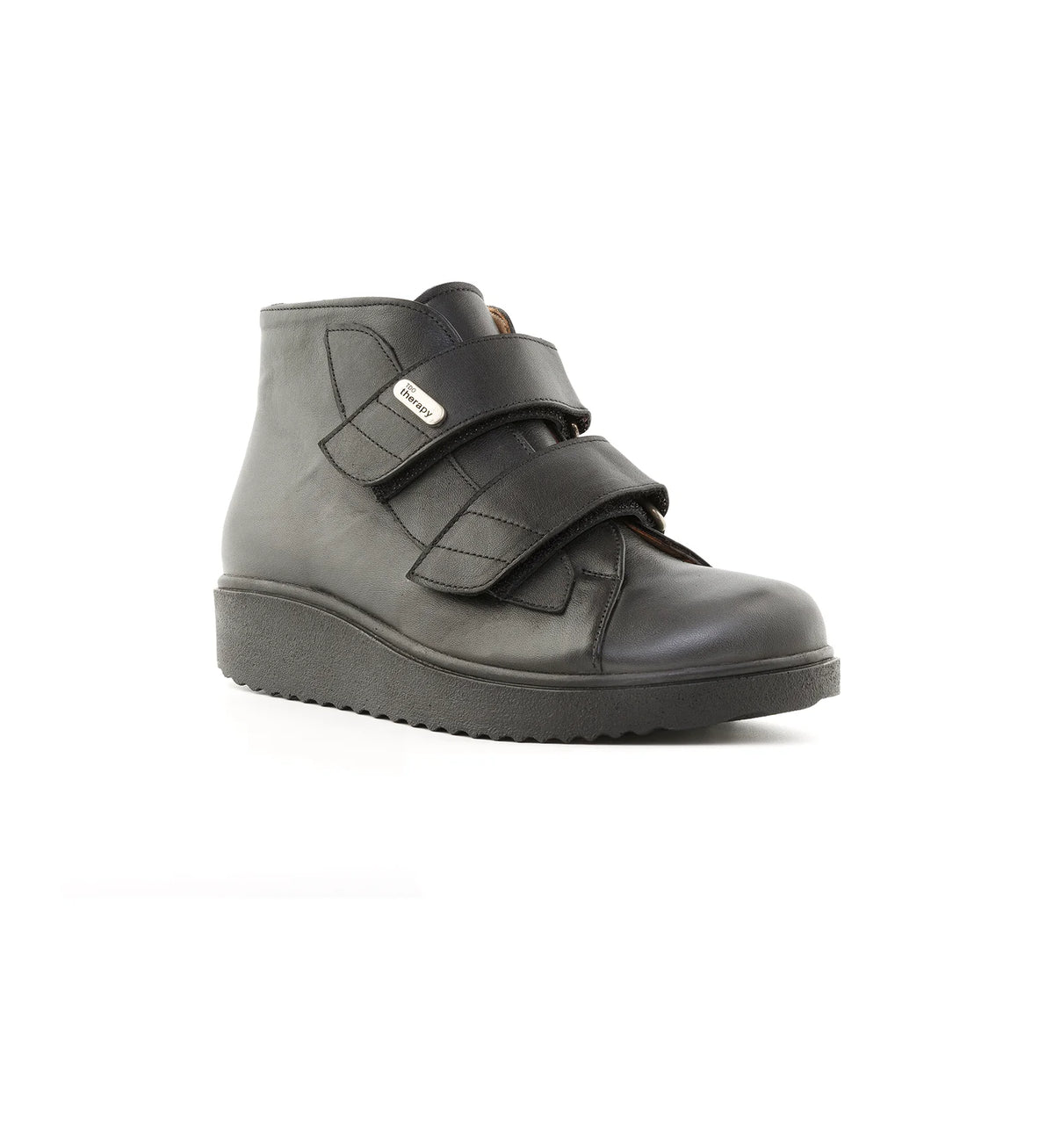
How TDO Therapy Shoes Protect Against Deformity
Every TDO Therapy shoe integrates features specifically designed to maintain healthy foot structure:
✔ Wide, deep toe boxes to prevent toe crowding
✔ Reinforced midfoot and heel stability
✔ Natural calf leather uppers that adapt to foot shape
✔ Temperature-regulating, breathable interiors
✔ Memory foam cushioning for reduced joint strain
✔ Rocker bottom soles for smooth, pressure-free walking
✔ Seamless linings to protect sensitive skin
✔ Wide and extra-wide fittings for swelling
These elements work together to prevent deformities before they develop — keeping feet healthy for years to come.
Frequently Asked Questions
Can orthopedic shoes stop bunions from forming?
Yes — wide toe boxes and proper alignment reduce pressure on the big toe joint and slow or prevent bunion development.
Do they help with hammertoes?
Absolutely. Pressure reduction and toe room prevent the upward bending that leads to hammertoes.
Are they useful even if you have no current foot problems?
Yes — prevention is the best strategy. Early use preserves healthy foot structure.
Can orthopedic shoes correct deformities?
They cannot reverse severe deformities but can slow progression and relieve discomfort.
Do TDO Therapy shoes help prevent early deformity?
Yes — they are specifically crafted to maintain alignment, pressure balance, and natural movement.
Final Thoughts
Foot deformities don’t appear suddenly — they are shaped by years of pressure, alignment issues, and improper footwear. But with the right support, cushioning, and structural protection, orthopedic shoes can prevent many deformities from ever developing.
By choosing footwear that respects the natural shape and motion of the foot, you protect your mobility, comfort, and independence long into the future.
TDO Therapy orthopedic shoes are designed with prevention in mind — supporting your feet from the ground up so you can walk confidently, comfortably, and without the risk of developing early deformities.