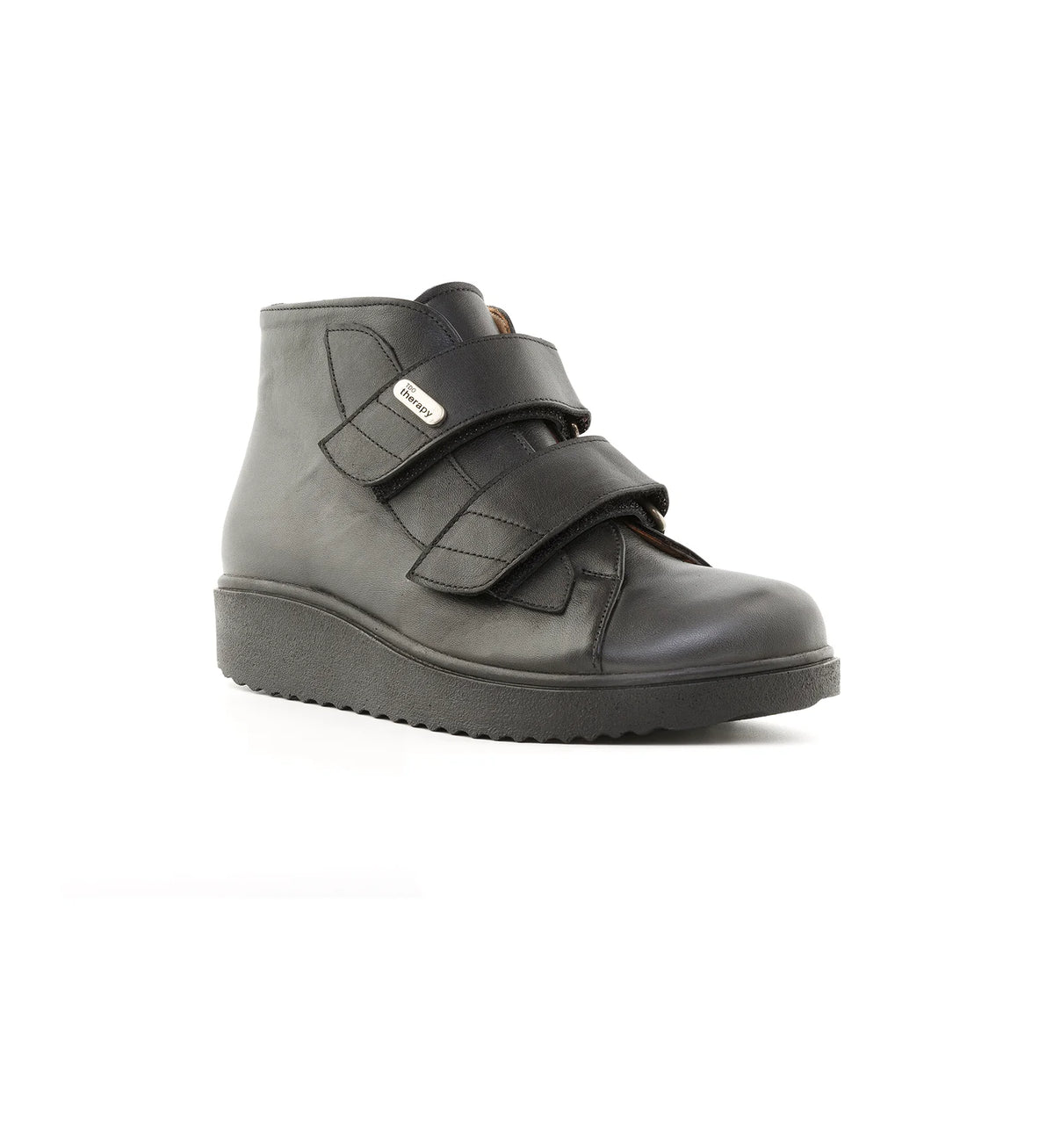

Why Podiatrist Recommendations Matter
When it comes to foot health, podiatrists focus on long-term outcomes rather than short-term comfort. The right footwear is not just about how a shoe feels when first worn — it is about how it supports the foot during daily movement and protects against future complications.
For individuals with diabetes, arthritis, structural deformities, or mobility issues, podiatrists often consider footwear as part of a broader treatment or prevention strategy.
Understanding what podiatrists look for in a shoe can help individuals make more informed decisions and avoid common footwear mistakes.
Structural Support Comes Before Softness
One of the first things podiatrists assess is the structural integrity of the shoe.
Why Structure Matters
A well-structured shoe helps:
- Stabilise the foot during walking
- Maintain proper alignment
- Reduce excessive movement inside the shoe
- Prevent unnecessary strain on joints
Shoes that are overly soft or flexible may feel comfortable initially but can allow the foot to move excessively, leading to instability and fatigue.
Heel Counter Stability
A firm heel counter is a key feature in podiatrist-recommended footwear. This component:
- Holds the heel in place
- Improves balance
- Reduces pronation or supination
- Supports gait efficiency
Without adequate heel support, even a cushioned shoe may fail to provide proper stability.
Adequate Depth and Internal Volume
Podiatrists pay close attention to how much space is available inside the shoe.
Why Depth Is Essential
Adequate depth allows:
- Proper accommodation of orthotics
- Reduced pressure on the top of the foot
- Space for swelling throughout the day
- Natural toe positioning
Shoes that lack internal volume often create pressure points, particularly for individuals with diabetes or deformities such as bunions or hammer toes.
Seamless Interior for Skin Protection
For patients with sensitive feet — especially those with diabetes or neuropathy — internal shoe construction is critical.
Podiatrists often recommend footwear with:
- Seam-free interiors
- Smooth linings
- Minimal friction surfaces
This helps reduce the risk of:
- Blisters
- Skin irritation
- Ulcer formation
Even small internal seams can become problematic for high-risk feet.
Proper Toe Box Design
The shape of the toe box plays a significant role in comfort and protection.
What Podiatrists Look For
- Rounded toe box
- Adequate height
- Sufficient width without compression
A narrow or shallow toe box can lead to increased pressure on the toes and joints, potentially worsening conditions such as bunions or hammer toes.
Shock Absorption and Pressure Distribution
Walking places repeated stress on the feet and joints. Podiatrists therefore look for footwear that can effectively absorb and redistribute these forces.
Key features include:
- Cushioned midsoles
- Pressure-relieving design
- Even weight distribution
This is particularly important for individuals with:
- Arthritis
- Heel pain
- Metatarsalgia
- Diabetic sensitivity
Reducing repetitive impact helps protect both the feet and the joints over time.
Rocker Sole Functionality
In certain cases, podiatrists may recommend shoes with rocker sole design.
This feature helps:
- Reduce forefoot pressure
- Limit joint motion where necessary
- Improve walking efficiency
- Support smoother gait transitions
Rocker soles are especially useful for individuals with arthritis or restricted joint movement.
Orthotic Compatibility
Many patients rely on custom orthotics to manage foot conditions.
Podiatrists typically look for shoes that:
- Include removable insoles
- Provide sufficient internal depth
- Maintain stability with orthotics in place
Without proper footwear support, orthotics may not function effectively.
Secure and Adjustable Fit
Fit is one of the most important aspects of footwear.
Shoes recommended by podiatrists often include:
- Adjustable fastening systems (such as Velcro straps or laces)
- Secure heel positioning
- Adaptability for swelling
A shoe that cannot be properly adjusted may lead to instability or discomfort over time.
Material Quality and Breathability
Material choice plays a significant role in both comfort and foot health.
Podiatrists often favour natural leather because it:
- Allows breathability
- Adapts to foot shape
- Reduces moisture build-up
- Provides durability
Breathable materials help maintain healthy skin conditions, particularly for individuals prone to sweating or sensitivity.
What Podiatrists Do Not Recommend
Equally important is understanding what podiatrists typically advise against.
Common footwear issues include:
- Overly soft, unstructured shoes
- Narrow or pointed designs
- Shoes without heel support
- Flat soles with no shock absorption
- Non-adjustable slip-on shoes
While these options may feel comfortable at first, they often lack the structural support needed for long-term foot health.
The Importance of Proper Fit Assessment
Podiatrists do not just look at the shoe — they assess how it interacts with the foot.
Key considerations include:
- Foot shape and size
- Gait pattern
- Pressure distribution
- Medical history
This is why professional fitting can be particularly valuable for individuals with complex needs.
At TDO Therapy, footwear is selected and designed with these same principles in mind, focusing on structure, depth, and protection rather than general comfort alone.
Long-Term Benefits of Podiatrist-Recommended Footwear
Choosing footwear based on clinical principles can lead to:
- Reduced foot pain
- Improved stability and balance
- Lower risk of injury
- Better walking efficiency
- Enhanced overall mobility
For many individuals, the right footwear becomes an essential part of maintaining independence and quality of life.
Final Thoughts: Choosing Footwear with Confidence
Podiatrists look beyond surface-level comfort and focus on how a shoe performs over time.
A good orthopaedic shoe should provide:
- Structural stability
- Adequate depth and space
- Protective interior design
- Shock absorption
- Orthotic compatibility
- Breathable materials
By understanding these key factors, individuals can make more informed choices and select footwear that supports both comfort and long-term foot health.