
No two feet are the same — not even your own. Feet naturally change throughout the day, across seasons, and over the years. Swelling increases by evening, arches shift with age, joints stiffen, and medical needs evolve. Yet most shoes are built as if feet were static and identical.
That’s where adjustable shoes make a meaningful difference.
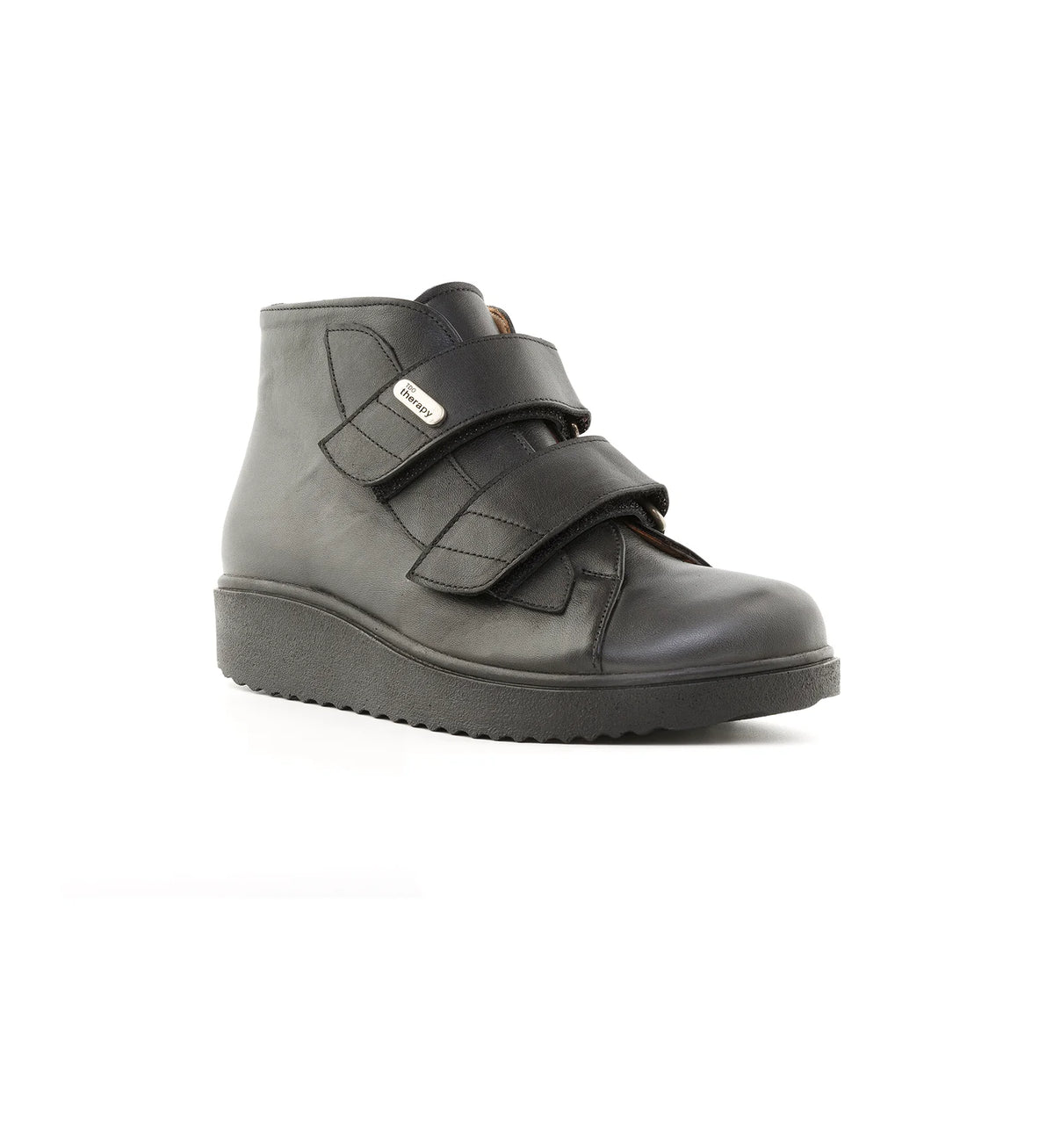
Adjustable orthopedic shoes are designed to adapt to your feet, not force your feet to adapt to the shoe. By allowing custom adjustment in width, depth, and overall fit, they provide consistent comfort, stability, and protection — even as your foot shape changes throughout the day.
At TDO Therapy, adjustability is a core design principle. This guide explains why adjustable shoes matter, how they support personalised fit and shape, and what features truly make a shoe adaptable without sacrificing support or stability.
Why a Personalized Fit Matters for Foot Health
Fit is not just about comfort — it directly affects alignment, circulation, and long-term foot health.
1. Feet Change Throughout the Day
It’s normal for feet to swell by afternoon or evening due to:
-
Gravity
-
Prolonged standing or walking
-
Heat
-
Circulation changes
Shoes that fit in the morning may feel tight and uncomfortable later in the day.
2. Foot Shape Changes Over Time
With age or medical conditions, feet may:
-
Become wider
-
Lose arch height
-
Develop bunions or toe deviation
-
Change volume or depth
Fixed-fit shoes often stop fitting well — even if the size hasn’t changed.
3. One Foot Is Often Different From the Other
Many people have:
-
One foot longer or wider
-
Uneven swelling
-
Different pressure points
Adjustable shoes allow each foot to be accommodated properly.
4. Poor Fit Leads to Compensatory Movement
When shoes are too tight or unstable, the body compensates, leading to:
-
Altered gait
-
Increased fatigue
-
Joint strain
-
Skin irritation
Personalised fit prevents these issues before they start.
What Makes Shoes Truly Adjustable?
Not all shoes with straps or laces offer real adjustability. True adjustable orthopedic shoes are engineered to adapt in multiple dimensions.
1. Adjustable Width and Volume
Proper adjustability allows the shoe to open and close enough to accommodate:
-
Swelling
-
Wide forefeet
-
High insteps
-
Orthotics or AFOs
This prevents pressure and improves circulation.
2. Adjustable Depth for Sensitive or Changing Feet
Extra depth ensures:
-
No compression over the toes
-
Space for cushioning and insoles
-
Reduced friction for sensitive skin
Depth is just as important as width.
3. Adjustable Closure Systems That Hold Securely
Effective systems include:
-
Multi-strap Velcro
-
Secure lace-and-strap combinations
These allow precise fit control without loosening during movement.
4. Flexible Uppers That Adapt to Shape
Natural, breathable materials gently conform to the foot instead of resisting it — especially important for bunions or swelling.

How Adjustable Shoes Improve Comfort and Stability
Adjustability doesn’t just improve comfort — it enhances movement efficiency and safety.
1. Reduced Pressure Points
By adjusting the shoe to the foot, pressure is evenly distributed, preventing:
-
Hot spots
-
Blisters
-
Corns and calluses
-
Painful rubbing
2. Improved Circulation
Tight shoes restrict blood flow. Adjustable shoes allow:
-
Gentle, secure fit
-
Accommodation for swelling
-
Better comfort during long wear
3. Better Alignment Through Secure Fit
A well-adjusted shoe keeps the foot properly positioned, supporting:
-
Natural gait
-
Balanced weight distribution
-
Reduced joint strain
4. Increased Confidence While Walking
When shoes fit securely without squeezing, movement feels:
-
Stable
-
Predictable
-
Controlled
Confidence increases with every step.
Who Benefits Most from Adjustable Shoes?
Adjustable orthopedic shoes are especially beneficial for:
People With Swelling or Edema
-
Daily or medical swelling
-
Circulation concerns
-
Variable foot volume
Older Adults
-
Changing foot shape
-
Reduced tolerance for tight footwear
-
Balance considerations
People With Bunions or Deformities
-
Hallux valgus
-
Hammertoes
-
Forefoot widening
Diabetic or Sensitive Feet
-
Need for pressure relief
-
Skin protection
-
Seamless interiors
Those Using Orthotics or Braces
-
Extra space requirements
-
Secure, adaptable fit
Anyone Seeking All-Day Comfort
Adjustability benefits everyone — not just medical users.
Adjustable Shoes vs Standard Fixed-Fit Shoes
| Feature | Adjustable Orthopedic Shoes | Fixed-Fit Shoes |
|---|---|---|
| Width adaptability | High | Limited |
| Swelling accommodation | Yes | Poor |
| Custom fit | Personalised | Generic |
| Pressure relief | Even | Uneven |
| Long-term comfort | All-day | Often short-term |
| Stability | Secure & adaptable | Inconsistent |
Key Features to Look for in Adjustable Shoes
When choosing adjustable footwear, prioritise:
✔ Multiple adjustable straps or closures
✔ Wide and extra-wide fitting options
✔ Extra depth for swelling or orthotics
✔ Flexible, breathable uppers
✔ Cushioned, shock-absorbing soles
✔ Stable heel counters
✔ Seamless interiors
✔ Lightweight construction
True adjustability must work with support — not replace it.
How TDO Therapy Designs Adjustable Shoes
At TDO Therapy, adjustability is built into the shoe’s structure, not added as an afterthought.
Each adjustable orthopedic shoe includes:
✔ Multi-strap Velcro systems for precise fit control
✔ Wide and deep construction for evolving foot shape
✔ Natural calf leather uppers that adapt gently
✔ Memory foam cushioning embedded within the sole
✔ Rocker bottom soles for smooth walking
✔ Reinforced heel stability
✔ Seamless interiors to protect sensitive skin
This allows a personalised fit that stays comfortable from morning to night.
Everyday Situations Where Adjustability Makes a Difference
Adjustable shoes support comfort across daily routines:
Morning to Evening Wear
Shoes adapt as feet swell throughout the day.
Long Standing Periods
Comfort remains consistent without pressure build-up.
Walking & Errands
Secure fit improves stability and endurance.
Travel Days
Reduced swelling discomfort during long periods of sitting or walking.
Indoor & Outdoor Use
Easy adjustments for different environments and activity levels.
The Emotional Benefit of a Proper Fit
A personalised fit doesn’t just help physically — it changes how people feel.
When shoes adjust to you, people often experience:
-
Less anxiety about discomfort
-
More confidence leaving the house
-
Reduced fear of pain or rubbing
-
Greater independence
Comfort builds confidence.
Frequently Asked Questions
Are adjustable shoes bulky?
No — modern orthopedic designs are lightweight and discreet.
Can adjustable shoes be worn all day?
Yes. They are designed for extended daily wear.
Do adjustable shoes help with swelling?
Absolutely. They adapt as foot volume changes.
Are they suitable for older adults?
Yes — they improve comfort, stability, and ease of use.
Are TDO Therapy shoes adjustable?
Yes — adjustability is a key design feature across the range.
Final Thoughts
Feet are not static — and shoes shouldn’t be either. Adjustable orthopedic shoes recognise that comfort comes from adaptability, not rigid sizing. By allowing personalised fit and shape, they reduce pressure, improve stability, and support natural movement throughout the day.
Whether your feet swell, change shape, or simply need more room to breathe, adjustable shoes offer a practical, comfortable solution that works with your body — not against it.
At TDO Therapy, our adjustable orthopedic shoes are designed to move with you, adapt to you, and support you — every step of the way.