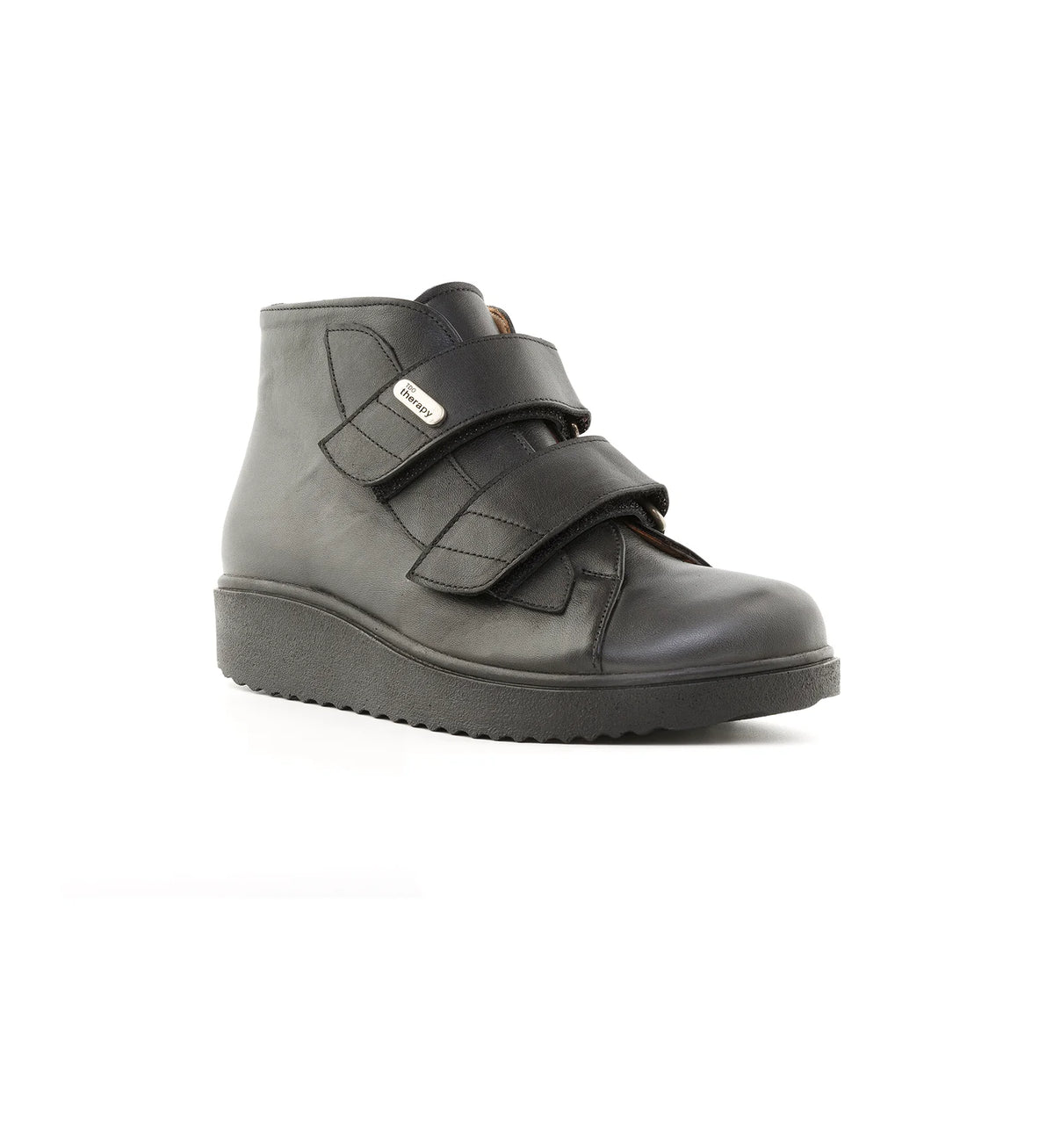

Why Do Toes Become Curved or Tilted?
Curved or tilted toes often develop gradually. Unlike sudden injuries, they are usually the result of long-term mechanical stress on the foot. Common contributing factors include:
-
Wearing shoes with narrow or pointed toe boxes
-
Prolonged pressure on the toes during walking or standing
-
Muscle imbalance and reduced flexibility in the foot
-
Age-related changes in foot structure
-
Poor footwear support over many years
Over time, these factors can cause the toes to lose their natural alignment, leading to discomfort, rubbing, and difficulty finding comfortable footwear.
Curved or Tilted Toes vs Hammer Toes: Understanding the Difference
Curved or tilted toes are often an early or mild form of more structured toe deformities such as hammer toes.
While curved toes may still remain flexible, hammer toes typically involve a more fixed bending of the toe joints, especially at the middle joint. This progression is often accelerated by wearing unsupportive footwear.
Choosing appropriate shoes early can help reduce strain on the toe joints and may slow the progression toward more rigid conditions like hammer toes. For a deeper understanding of this condition, you can explore our detailed guide on hammer toes, which explains causes, progression, and management in more detail.
How the Wrong Shoes Worsen Toe Alignment
Shoes that are too tight, shallow, or poorly structured can worsen toe positioning by:
-
Forcing toes to overlap or bend unnaturally
-
Increasing friction and pressure on sensitive areas
-
Limiting natural toe movement during walking
-
Creating painful pressure points that lead to corns or irritation
Over time, this constant pressure can encourage toes to remain in a bent or tilted position, making everyday walking increasingly uncomfortable.
Key Shoe Features That Gently Support Curved or Tilted Toes
When choosing shoes for curved or tilted toes, the goal is support without force. The right orthopedic design works with your foot—not against it.
Wide and Rounded Toe Box
A spacious toe box allows toes to sit naturally without being pushed together. Rounded shapes are especially important to prevent pressure on already sensitive or misaligned toes.
Seamless Interior Design
Smooth, seam-free interiors reduce friction and irritation, particularly for toes that rub against the shoe during movement.
Adequate Depth
Extra depth prevents pressure from the top of the shoe, allowing toes to move freely without compression.
Cushioned Yet Stable Sole
A well-cushioned sole absorbs impact while maintaining stability, reducing stress transmitted to the toes during walking.
Adjustable Fastenings
Velcro or adjustable closures help customise the fit, accommodating changes in foot shape throughout the day.
How Shoes for Hammer Toes Also Support Curved Toes
Many shoes for hammer toes are also highly effective for curved or tilted toes. This is because both conditions benefit from similar footwear features:
-
Reduced toe pressure
-
Improved alignment support
-
Extra depth and space
-
Shock absorption and stability
By wearing properly designed shoes for hammer toes, individuals with curved toes can often experience improved comfort and reduced strain during daily activities—especially when intervention happens early.
This makes supportive orthopedic footwear an important preventative step, not just a reactive solution.
When Supportive Footwear Is Enough—and When to Seek Advice
Supportive shoes can significantly improve comfort for many people with curved or tilted toes. However, you may want to seek professional advice if:
-
Pain increases despite wearing appropriate footwear
-
Toes become rigid or fixed in position
-
Skin irritation, corns, or sores develop
-
Walking becomes noticeably uncomfortable
Early intervention with the right footwear often helps maintain mobility and comfort without invasive treatments.
Frequently Asked Questions
Are curved toes the same as hammer toes?
Not always. Curved toes are often flexible and may represent an early stage, while hammer toes tend to be more rigid and structurally fixed.
Can shoes prevent hammer toes from getting worse?
Supportive footwear can help reduce pressure and strain, potentially slowing progression and improving comfort.
What toe box shape is best for curved toes?
A wide, rounded toe box offers the best balance of space and natural alignment support.
Final Thoughts
Curved or tilted toes don’t have to limit your comfort or daily movement. Choosing shoes that gently support natural toe alignment can make a noticeable difference in how your feet feel throughout the day.
By prioritising space, cushioning, adjustability, and stability—and understanding how conditions like hammer toes develop—you can take proactive steps toward healthier, more comfortable walking.
Supportive footwear isn’t just about relief today; it’s about protecting your foot health for the future.