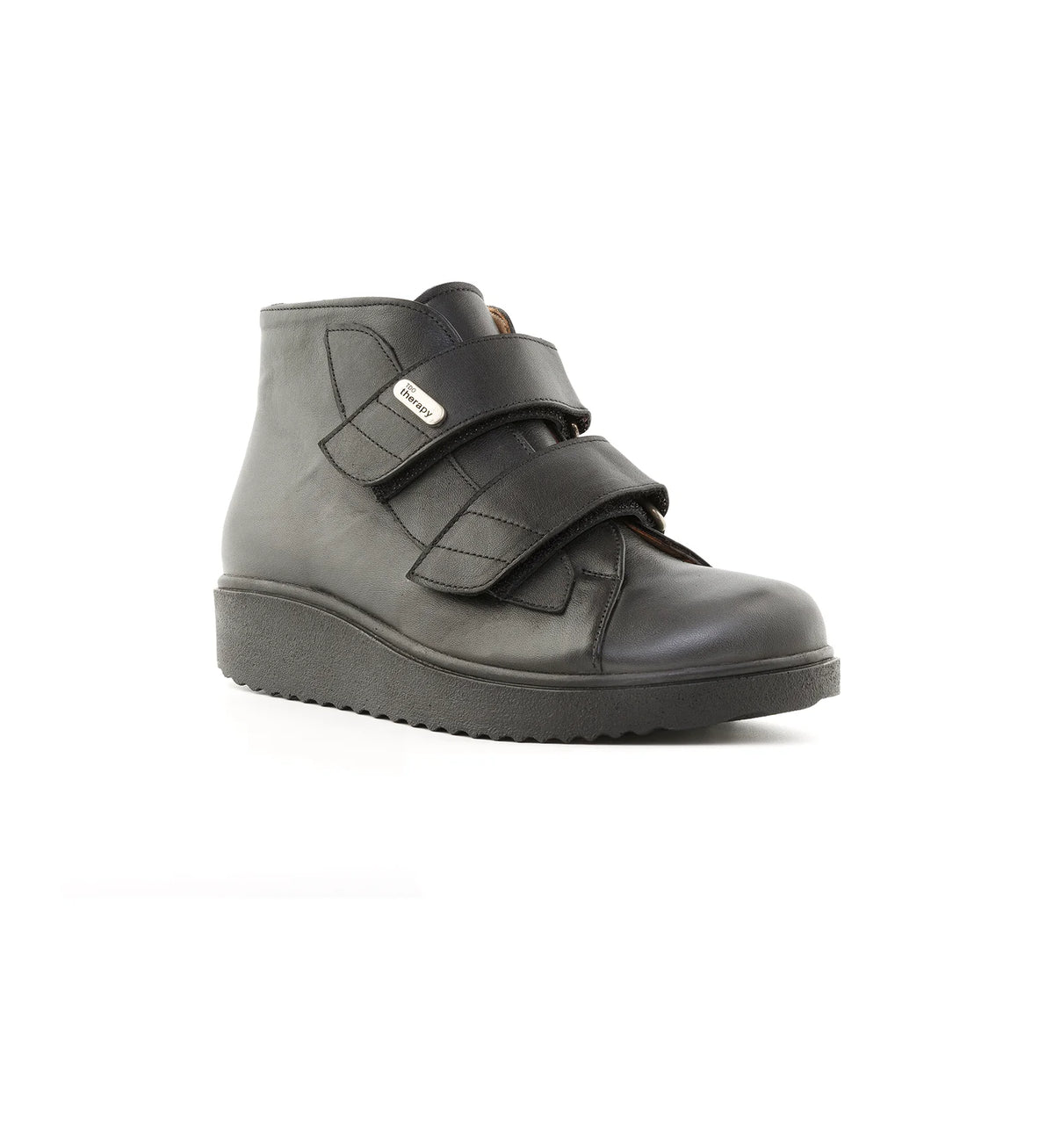

When people think of orthopedic shoes, they often imagine rigid, bulky footwear designed only for correction or medical necessity. But modern orthopedic shoes — when designed correctly — do much more than support and protect. They enable flexible movement, natural agility, and confident motion, allowing the wearer to move freely without sacrificing stability or comfort.
Flexibility and agility are not just for athletes. Everyday life demands them constantly: turning quickly in the kitchen, navigating busy pavements, bending to pick something up, walking on uneven surfaces, or changing direction while shopping or travelling. When footwear is too stiff or unsupportive, these simple movements feel awkward, slow, or even unsafe.
At TDO Therapy, orthopedic shoes are engineered to support dynamic movement — not restrict it. This article explores how orthopedic shoes promote flexibility and agility, why these qualities matter for daily life, and what features make truly movement-friendly footwear.
Why Flexibility and Agility Matter in Everyday Movement
Agility isn’t about speed — it’s about control, responsiveness, and ease of movement. Flexible movement allows the body to adapt naturally to its environment, reducing strain and preventing injury.
1. Daily Life Requires Constant Direction Changes
Everyday movement involves:
-
Turning corners
-
Pivoting
-
Stepping sideways
-
Adjusting balance
-
Reacting to uneven ground
Shoes that restrict movement force the body to compensate, increasing fatigue and risk of strain.
2. Rigid Footwear Reduces Natural Foot Function
The foot is designed to flex, bend, and adapt. Overly stiff shoes can:
-
Limit toe-off motion
-
Restrict midfoot flexibility
-
Reduce shock absorption
-
Create unnatural gait patterns
Orthopedic shoes should guide movement — not block it.
3. Agility Improves Safety and Confidence
Flexible, responsive shoes help with:
-
Quick balance correction
-
Smooth transitions between surfaces
-
Reduced risk of slips or missteps
-
Greater confidence in crowded or dynamic environments
This is especially important for older adults and people with balance concerns.
How Orthopedic Shoes Support Flexible Movement
True orthopedic footwear balances support and freedom. Here’s how well-designed orthopedic shoes enhance flexibility and agility.
1. Engineered Flex Zones in the Sole
Modern orthopedic soles include flex points that allow the shoe to bend where the foot naturally bends — especially at the forefoot.
This enables:
-
Smooth push-off
-
Natural toe movement
-
Reduced resistance during walking
Flexibility at the right points keeps movement fluid.
2. Rocker Soles That Enhance, Not Restrict, Motion
Contrary to common belief, rocker soles don’t limit movement — they improve efficiency.
They help by:
-
Supporting heel-to-toe roll
-
Reducing forefoot strain
-
Allowing smoother transitions
-
Enhancing walking rhythm
This creates effortless forward motion without stiffness.
3. Lightweight Construction for Quick, Easy Steps
Heavy shoes slow reaction time and reduce agility. Lightweight orthopedic shoes:
-
Reduce muscle fatigue
-
Improve foot responsiveness
-
Make direction changes easier
-
Encourage longer, more confident strides
Weight reduction plays a key role in agile movement.
4. Secure Fit That Moves With the Foot
Flexibility without control is dangerous. Orthopedic shoes provide:
-
Adjustable closures
-
Stable heel counters
-
Secure midfoot support
This allows the shoe to flex with the foot, not slip against it.
5. Shock Absorption That Supports Dynamic Motion
Flexible movement requires controlled impact. Cushioning absorbs shock without creating instability, allowing safe movement on hard or uneven surfaces.
The Role of Foot Alignment in Agility
Agility depends on alignment. When the foot is misaligned, movement becomes stiff and inefficient.
1. Proper Arch Support Improves Responsiveness
Balanced arch support:
-
Prevents overpronation
-
Stabilises the midfoot
-
Improves energy transfer
This allows faster, more controlled movements.
2. Stable Heel Position Enables Quick Direction Changes
A secure heel prevents wobbling during turns, pivots, or side steps.
3. Toe Freedom Enhances Balance and Grip
A wide toe box allows toes to spread naturally, improving ground contact and balance — essential for agility.
Flexible Orthopedic Shoes vs Traditional Shoes
| Feature | Flexible Orthopedic Shoes | Traditional Shoes |
|---|---|---|
| Sole Flexibility | Engineered flex zones | Often stiff or flat |
| Weight | Lightweight | Often heavy |
| Support | Structured & stable | Minimal or inconsistent |
| Agility | High | Limited |
| Fatigue Reduction | Yes | Often increases fatigue |
Orthopedic shoes designed for movement outperform standard footwear in real-life agility.

Who Benefits Most from Flexible Orthopedic Shoes?
Flexible, agile orthopedic shoes are ideal for:
Older Adults
-
Improved balance
-
Safer movement
-
Reduced fall risk
Active Individuals
-
Smooth walking
-
Easier transitions
-
Better endurance
People with Joint Stiffness or Arthritis
-
Reduced strain
-
Easier motion
-
Less resistance
Those Recovering from Injury
-
Controlled flexibility
-
Safer movement
-
Gradual return to activity
Anyone Seeking Comfortable, Natural Movement
Flexibility improves comfort for everyone — regardless of age or condition.
Key Features to Look for in Flexible Orthopedic Shoes
Not all orthopedic shoes are designed for agility. Look for these essentials:
✔ Lightweight sole materials
✔ Rocker bottom or guided motion soles
✔ Forefoot flex zones
✔ Secure heel counters
✔ Adjustable fastening systems
✔ Memory foam cushioning
✔ Breathable natural leather uppers
✔ Wide toe box for toe movement
Flexibility must always work with support.
How TDO Therapy Designs Shoes for Agility and Flexibility
At TDO Therapy, flexibility is built into the design process — not added as an afterthought.
Each pair includes:
✔ Carefully balanced lightweight construction
✔ Rocker soles that promote fluid movement
✔ Shock-absorbing midsoles
✔ Reinforced heel stability
✔ Natural calf leather that adapts to foot motion
✔ Seamless interiors to prevent friction during movement
✔ Wide, deep designs to allow natural foot expansion
This ensures freedom of movement without compromising safety.
Everyday Situations Where Flexible Shoes Make a Difference
Once you wear flexible orthopedic shoes, daily life feels noticeably easier:
✓ Turning while cooking
✓ Navigating busy pavements
✓ Walking on uneven paths
✓ Standing up and sitting down
✓ Quick direction changes
✓ Indoor and outdoor transitions
✓ Travel and commuting
✓ Social activities
Movement feels smoother, lighter, and more confident.
Frequently Asked Questions
Can orthopedic shoes really be flexible?
Yes — when properly designed, they support natural foot motion while maintaining stability.
Do flexible shoes reduce stability?
No — flexibility and stability work together when engineered correctly.
Are flexible orthopedic shoes good for older adults?
Yes — they improve balance, responsiveness, and safety.
Do flexible shoes help with stiffness?
Absolutely. They reduce resistance and make movement feel easier.
Are TDO Therapy shoes designed for agility?
Yes — flexibility and movement efficiency are core design priorities.
Final Thoughts
True freedom of movement doesn’t come from rigid footwear — it comes from shoes that support, adapt, and move with your body. Flexible orthopedic shoes enable natural agility while protecting your feet, joints, and posture.
When footwear works with your movement instead of against it, daily life feels easier, safer, and more enjoyable.
At TDO Therapy, our orthopedic shoes are designed to provide the perfect balance of flexibility, stability, and comfort — empowering you to move confidently and fluidly through every part of your day.