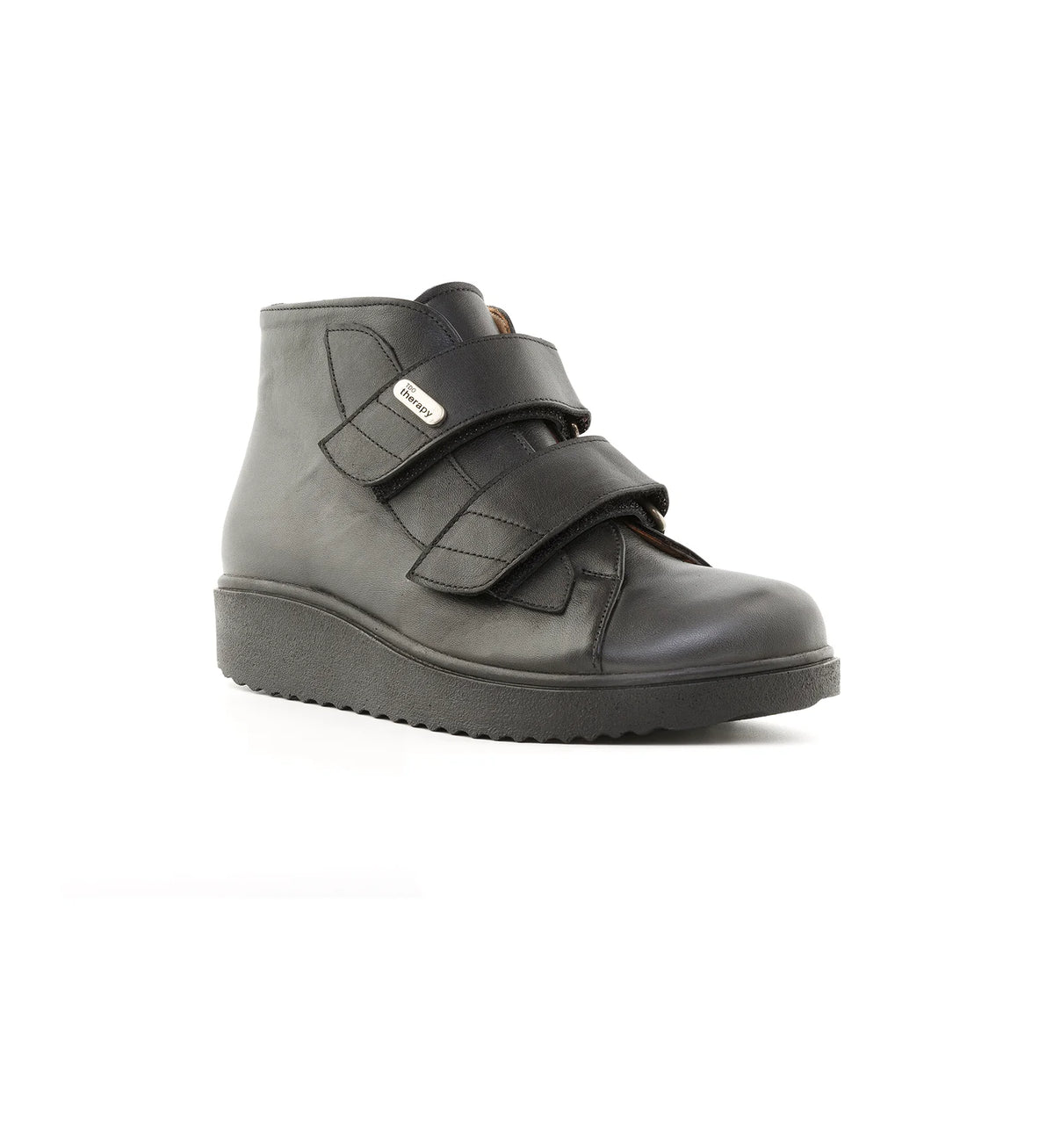

At home, we should feel relaxed, supported, and pain-free — yet many of us wear poorly designed footwear indoors, or worse, walk barefoot all day. This may seem harmless, but the surfaces in our homes — hard tiles, wooden floors, laminates — can be incredibly unforgiving on feet, joints, and muscles. Over time, unsupported walking and standing indoors can contribute to foot pain, fatigue, instability, and even postural strain.
That’s where orthopedic shoes for indoor comfort and home use make a meaningful difference. Lightweight, supportive, cushioned, and built for all-day wear, these shoes are not just for outside — they’re designed to keep your feet comfortable and protected throughout your daily home routine.
Whether you’re working from home, cooking dinner, doing chores, or just relaxing, the right footwear can help you stay active, reduce pain, and preserve long-term foot health.
In this guide, we’ll explore why indoor footwear matters, what features make orthopedic shoes ideal for home use, and how choosing the right pair can transform your daily comfort.
Why Ordinary Indoor Footwear Is Often a Problem
Bare feet or flimsy slippers may feel cosy at first, but they lack essential support features that your feet need throughout the day.
1. Lack of Arch Support Causes Strain
Standing on hard floors without arch support forces feet to flatten and muscles to work harder — leading to:
-
Arch fatigue
-
Heel pain
-
Ankle instability
-
Knee stress
2. Thin Soles Offer No Shock Absorption
Without cushioning, every step sends impact directly into:
-
Ankles
-
Knee joints
-
Hips
-
Lower back
This is especially noticeable during chores, cooking, or walking from room to room.
3. Open-Back Slippers Increase Fall Risk
Loose indoor slippers may feel easy to slip on — but they also cause:
-
Heel slipping
-
Reduced stability
-
Tripping hazards
-
Poor balance
For older adults or people with balance concerns, this can be dangerous.
4. Bare Feet Cause Dryness, Redness, and Calluses
Walking barefoot on hard floors can lead to:
-
Dry skin
-
Calluses
-
Inflammation
-
Tired feet
Your feet deserve protection even at home.
5. Prolonged Standing Becomes Painful
Whether you’re cooking, cleaning, or working from home, standing for extended periods without support contributes to long-term discomfort.

How Orthopedic Shoes Improve Indoor Comfort
Orthopedic shoes designed for indoor home use combine support, cushioning, and stability with a lightweight and flexible feel — ideal for daily routines.
1. Cushioned Soles for All-Day Comfort
Orthopedic shoes feature:
-
Memory foam cushioning
-
Shock-absorbing midsoles
-
Soft heel pads
This protects the feet from impact and reduces muscle fatigue, especially on hard indoor floors.
2. Arch Support to Reduce Strain
Supportive arches help:
-
Maintain neutral foot alignment
-
Reduce arch fatigue and pain
-
Prevent overpronation
-
Reduce downstream knee and hip stress
Whether you’re standing at the sink or walking to the kitchen, arch support makes every step more comfortable.
3. Enclosed Designs for Better Stability
Unlike loose slippers, orthopedic home shoes offer:
-
Heel counters that secure the foot
-
Balanced bases
-
Non-slip outsoles
-
Torsional stability
This reduces the risk of slips and falls — especially for older adults.
4. Lightweight Construction for Effortless Movement
Even with cushioning and support, quality orthopedic shoes are light on the feet.
This means:
-
Less fatigue
-
More natural movement
-
Better energy efficiency
-
Comfortable all-day wear
Your feet don’t have to work harder to lift or stabilise.
5. Breathable Materials Prevent Overheating
At home, feet are often enclosed for longer periods. Breathable natural leather and moisture-wicking linings help:
-
Keep feet cool
-
Reduce sweat and odour
-
Prevent irritation
-
Promote healthier skin
This is especially beneficial for sensitive or diabetic feet.
6. Wide and Deep Fit for All-Day Comfort
Orthopedic home shoes often include:
-
Wide toe boxes
-
Extra depth for swelling
-
Room for orthotics
-
Adjustable closures
They adapt to different foot shapes and changes throughout the day.
Everyday Activities That Benefit from Orthopedic Home Footwear
Putting supportive shoes on at home isn’t just for “specialty” situations — it improves everyday movement, including:
Morning Routine
From stepping out of bed to prepping breakfast, supportive shoes ease transition into daily activity.
Walking Around the House
Even short distances feel more stable and comfortable.
Standing for Chores
Long kitchen tasks, laundry, and household duties are less tiring.
Work-From-Home Day
Supportive footwear keeps posture balanced, reducing back and hip fatigue.
Evening Relaxation
Feet stay cushioned and supported even while watching TV or reading.
Family Time & Play
Better comfort means more energy to enjoy activities with loved ones.
Who Should Wear Orthopedic Shoes Indoors?
Orthopedic indoor footwear isn’t just for people with diagnosed foot conditions — it benefits virtually everyone who spends time on their feet at home. Some groups that benefit most include:
✔ People who stand for long periods
✔ Older adults or individuals with balance concerns
✔ Anyone who works from home
✔ People with foot pain or fatigue
✔ Individuals with flat feet or high arches
✔ People with diabetes or sensitive skin
✔ Anyone who wants all-day comfort
TDO Therapy: Designed for Indoor Comfort and Home Use
TDO Therapy orthopedic shoes are crafted with features that make them ideal for indoor daily living:
✔ Soft, shock-absorbing memory foam
✔ Breathable natural leather uppers
✔ Wide, deep toe boxes for comfort
✔ Seamless interiors to prevent friction
✔ Stable heel support for balance
✔ Lightweight, flexible construction
✔ Non-slip outsoles safe for indoor floors
This combination creates a shoe that feels as comfortable as slippers — but with real support your feet deserve.
How Orthopedic Shoes Change Your Home Comfort Over Time
Investing in supportive indoor footwear creates cumulative benefits:
Week 1: Immediate Comfort Boost
Less soreness and cushioning from heel to toe.
Weeks 2–4: Reduced Fatigue
Longer tolerance for standing and movement.
Month 2+: Improved Posture
Balanced alignment reduces knee, hip, and back strain.
Ongoing: Stronger Foot Mechanics
With ongoing support, muscles engage more efficiently and comfortably.
Frequently Asked Questions
Can I wear orthopedic shoes indoors instead of slippers?
Yes — they offer superior support, cushioning, and stability compared to typical house slippers.
Are orthopedic home shoes good for sensitive feet?
Absolutely — breathable materials and seamless linings protect delicate skin.
Do they help with balance?
Yes — reinforced heels and stable designs improve balance and reduce fall risk.
Are they comfortable enough for all-day wear?
Yes — lightweight construction and smart cushioning make extended wear comfortable.
Do TDO Therapy shoes work indoors and outdoors?
Many styles are versatile, offering comfort both inside the home and outside.
Final Thoughts
Your feet work hard every day — even at home. Flooring surfaces, long standing, repeated steps, and balance-challenging activities all demand support, cushioning, and stability.
Orthopedic shoes designed for indoor comfort and home use provide that support, improving comfort, reducing fatigue, and protecting foot health. They offer the perfect balance of softness and structure — better than slippers, better than going barefoot, and better than ordinary shoes.
At TDO Therapy, we believe that comfort shouldn’t stop at the front door. With supportive, comfortable orthopedic footwear, you can enjoy every part of your day — from first step in the morning to last step at night — without pain, strain, or discomfort.
Transform your home comfort.
Move better. Feel better. Live better.