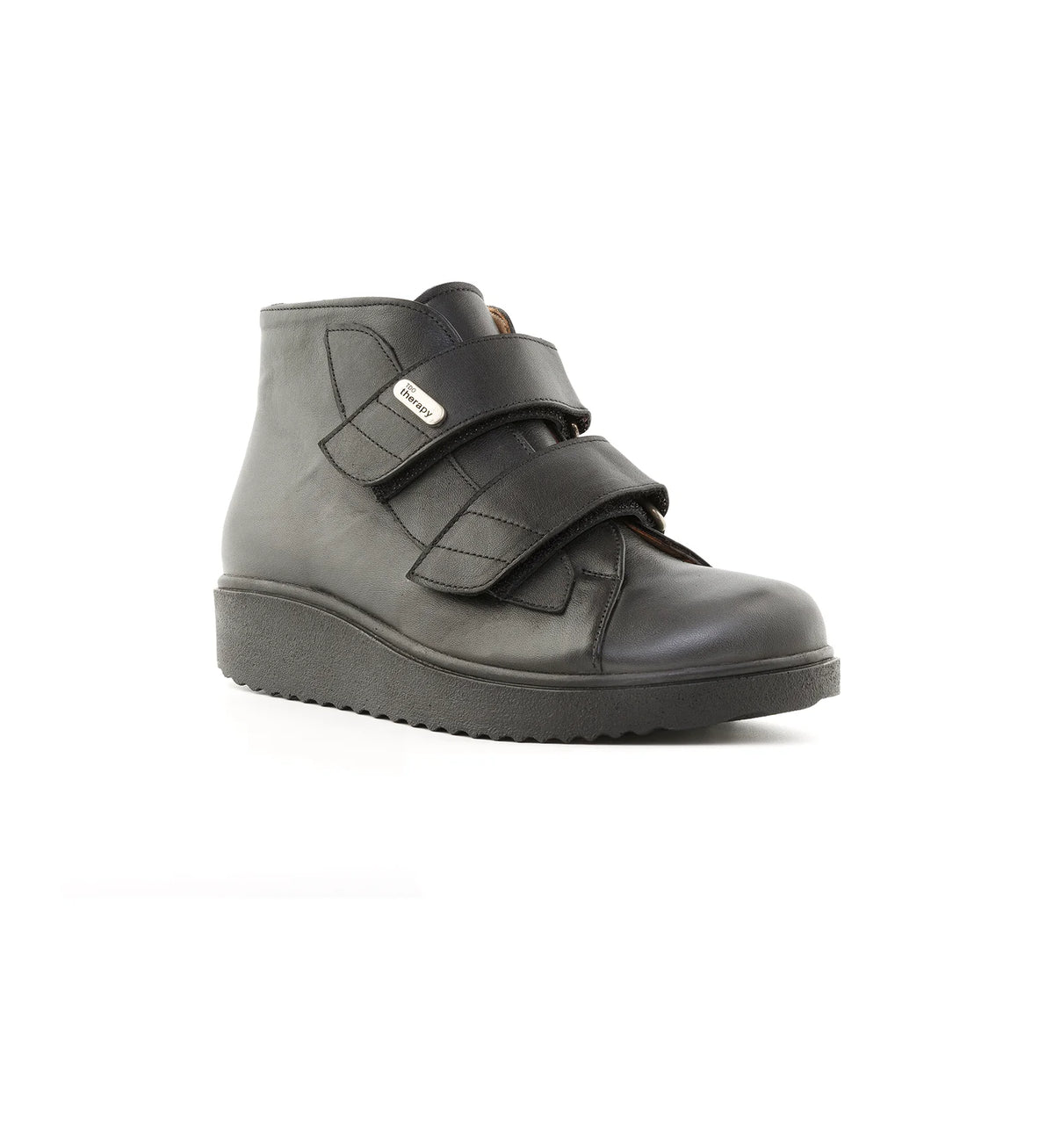

Rocker sole shoes are often recommended for individuals experiencing forefoot pain, arthritis, diabetic sensitivity, or reduced ankle mobility. However, many people are unsure what a rocker sole actually does.
Far from being a stylistic design feature, the rocker sole is a biomechanical tool. It is engineered to alter how pressure is distributed across the foot during walking. In medical-grade orthopaedic footwear, this design plays a critical role in reducing strain on vulnerable structures.
To understand its benefits, we first need to look at how normal walking mechanics place pressure on the forefoot.
How Walking Naturally Loads the Forefoot
During a typical walking cycle, the foot moves through three key phases:
-
Heel strike
-
Midstance
-
Toe-off
The toe-off phase is where the forefoot — particularly the ball of the foot and toes — experiences the highest pressure. For individuals with healthy feet, this load is manageable. However, for those with:
-
Metatarsalgia
-
Hallux rigidus
-
Arthritis
-
Diabetic neuropathy
-
Post-surgical sensitivity
this concentrated pressure can lead to pain, inflammation, and tissue stress.
Reducing force at this stage of gait is the primary function of a rocker sole.
What Is a Rocker Sole?
A rocker sole features a curved outsole that allows the foot to “roll” forward during walking, rather than bending sharply at the forefoot.
Instead of forcing the metatarsophalangeal joints (toe joints) to dorsiflex excessively, the shoe assists forward motion mechanically.
In simple terms, the sole does part of the work for the foot.
How Rocker Soles Reduce Forefoot Pressure
The curvature of the sole changes how weight is transferred across the foot.
1. Offloading the Metatarsal Heads
By shifting the pivot point slightly backward, a rocker sole reduces the load placed directly under the ball of the foot. This can significantly relieve:
-
Burning sensations
-
Sharp forefoot pain
-
Inflammatory flare-ups
For patients with metatarsalgia or diabetic sensitivity, this pressure reduction is clinically valuable.
2. Limiting Joint Motion Where Necessary
Conditions such as hallux rigidus involve reduced mobility of the big toe joint. A rocker sole minimises the need for excessive toe bending, reducing:
-
Joint irritation
-
Mechanical strain
-
Pain during push-off
This controlled motion can make walking considerably more comfortable.
3. Smoother Gait Transition
Rocker soles create a more fluid forward movement. Instead of abrupt loading at the forefoot, the curved design promotes:
-
Gradual weight transfer
-
Reduced impact stress
-
Improved walking efficiency
Over longer distances, this can help decrease fatigue and cumulative joint stress.
Rocker Sole vs Flat Sole: Why Structure Matters
A flat sole requires the foot itself to perform all the mechanical bending during toe-off. For individuals with compromised joints or sensitivity, this increases strain.
A structured rocker sole works in partnership with the foot. The design:
-
Assists forward propulsion
-
Reduces the need for excessive joint dorsiflexion
-
Enhances stability during walking
Importantly, effective rocker soles are carefully calibrated — overly exaggerated curves can feel unstable. In medical-grade orthopaedic footwear, the curvature is balanced with heel support and internal structure.

Who Benefits Most from Rocker Sole Orthopaedic Shoes?
Rocker sole footwear is particularly beneficial for individuals experiencing:
Forefoot Pain
Conditions such as metatarsalgia and Morton’s neuroma respond well to pressure offloading.
Arthritis of the Big Toe (Hallux Rigidus)
Limiting joint motion reduces inflammation and discomfort during walking.
Diabetic Foot Concerns
Pressure redistribution helps reduce high-risk areas susceptible to ulcer formation.
Reduced Ankle Mobility
For individuals with stiffness or limited dorsiflexion, rocker soles assist forward motion without requiring excessive ankle flexibility.
Post-Surgery Recovery
After certain foot procedures, reducing forefoot loading is essential for healing.
Stability and Safety: Addressing Common Concerns
Some people worry that rocker soles may feel unstable. In well-designed orthopaedic footwear, stability is maintained through:
-
Reinforced heel counters
-
Structured uppers
-
Adequate outsole width
-
Controlled curvature design
At TDO Therapy, rocker soles are integrated into structured leather orthopaedic shoes to ensure both pressure relief and gait stability. The aim is not to create imbalance, but to improve efficiency while protecting vulnerable structures.
Rocker Soles and Energy Efficiency
Beyond pain relief, rocker soles may improve walking efficiency. By assisting propulsion:
-
Less muscular effort is required during toe-off
-
Energy expenditure may be reduced
-
Walking distances may become more manageable
For older adults or individuals managing chronic pain, this improved efficiency can contribute to better mobility and independence.
Combining Rocker Soles with Extra Depth and Structure
A rocker sole alone is not a complete solution. For optimal results, it should be combined with:
-
Extra depth construction
-
Seamless interior lining
-
Shock-absorbing midsole
-
Orthotic compatibility
-
Secure fastening (e.g., adjustable Velcro straps)
When these features work together, the result is a shoe that supports biomechanics while protecting sensitive feet.
Long-Term Joint Protection
Chronic forefoot loading can contribute to:
-
Joint degeneration
-
Inflammation
-
Altered gait patterns
-
Secondary knee or hip discomfort
By redistributing pressure and supporting natural motion, rocker sole orthopaedic shoes may help reduce cumulative stress over time.
For individuals managing arthritis, diabetic sensitivity, or structural deformities, this preventative benefit is particularly valuable.
Final Thoughts: A Biomechanical Tool, Not a Trend
Rocker sole technology is not a fashion trend — it is a clinically informed design feature aimed at improving pressure distribution and reducing joint strain.
When incorporated into structured, medical-grade orthopaedic footwear, rocker soles can:
-
Reduce forefoot pressure
-
Improve walking efficiency
-
Limit painful joint motion
-
Support safer, more comfortable mobility
Understanding how this design works empowers individuals to make informed footwear choices based on biomechanics rather than marketing claims.