
Introduction
Swollen feet can make even the simplest footwear feel uncomfortable.
Shoes that once fit perfectly may start to feel tight, restrictive, or painful. In many cases, the wrong footwear can actually make swelling worse by increasing pressure and restricting circulation.
Choosing the right shoes for swollen feet is not just about finding something wider — it’s about reducing pressure and allowing the foot to adapt throughout the day.
In this guide, we’ll explain how to choose shoes that support swollen feet properly.
Why Swollen Feet Need Special Footwear
Swelling can be caused by:
- fluid retention
- medical conditions such as diabetes
- poor circulation
- long periods of standing or sitting
When feet swell, they need:
- more space
- less restriction
- better pressure distribution
Standard shoes often fail because they do not adapt to these changes.
Key Features to Look for in Shoes for Swollen Feet
The right footwear should reduce pressure rather than create it.
1. Extra Depth and Adjustable Fit
Swollen feet change size throughout the day.
Shoes should:
- provide extra internal space
- adapt to swelling
- allow adjustments as needed
This helps prevent tightness and discomfort.
2. Soft and Flexible Upper Material
Rigid materials can press against the foot and worsen swelling.
Look for:
- soft leather
- flexible uppers
- materials that adapt to foot shape
This reduces pressure on sensitive areas.
3. Seam-Free Interior
Internal seams can create friction and pressure points.
A smooth interior helps:
- reduce irritation
- prevent rubbing
- improve overall comfort
This is especially important for sensitive or fragile skin.
4. Wide Toe Box
The front of the shoe should allow natural toe movement.
A wide toe box:
- reduces pressure on the forefoot
- prevents squeezing
- improves comfort while walking
Narrow shoes can quickly become painful when swelling is present.
5. Lightweight Construction
Heavy shoes can increase fatigue and discomfort.
Lightweight footwear helps:
- reduce strain
- improve mobility
- maintain comfort throughout the day
6. Stable Sole for Better Support
Even with swelling, support is still essential. Supportive footwear helps reduce pressure while improving stability and walking comfort.
A stable sole helps:
- improve balance
- distribute weight evenly
- reduce pressure on specific areas
Too much softness without structure can lead to instability.
Why Standard “Wide Fit” Shoes Are Not Always Enough
Many people assume that wide shoes will solve the problem. Many people discover that extra depth is more important than width alone when managing swelling comfortably.
However, wide shoes often:
- increase width but not depth
- fail to accommodate swelling properly
- still create pressure on the top of the foot
Shoes designed with both width and depth are far more effective.
Common Mistakes When Choosing Shoes for Swollen Feet
Avoid these common issues:
- choosing tight shoes to “control” swelling
- wearing rigid materials that do not adapt
- using slip-on shoes without adjustability
- ignoring changes in foot size throughout the day
These mistakes can increase discomfort and worsen the condition.
Who Benefits Most from Pressure-Reducing Shoes?
Proper footwear is especially important for:
- people with diabetes
- individuals with oedema or lymphoedema
- older adults
- those who spend long hours on their feet
These groups are more sensitive to pressure and require better accommodation.
The TDO Therapy Approach
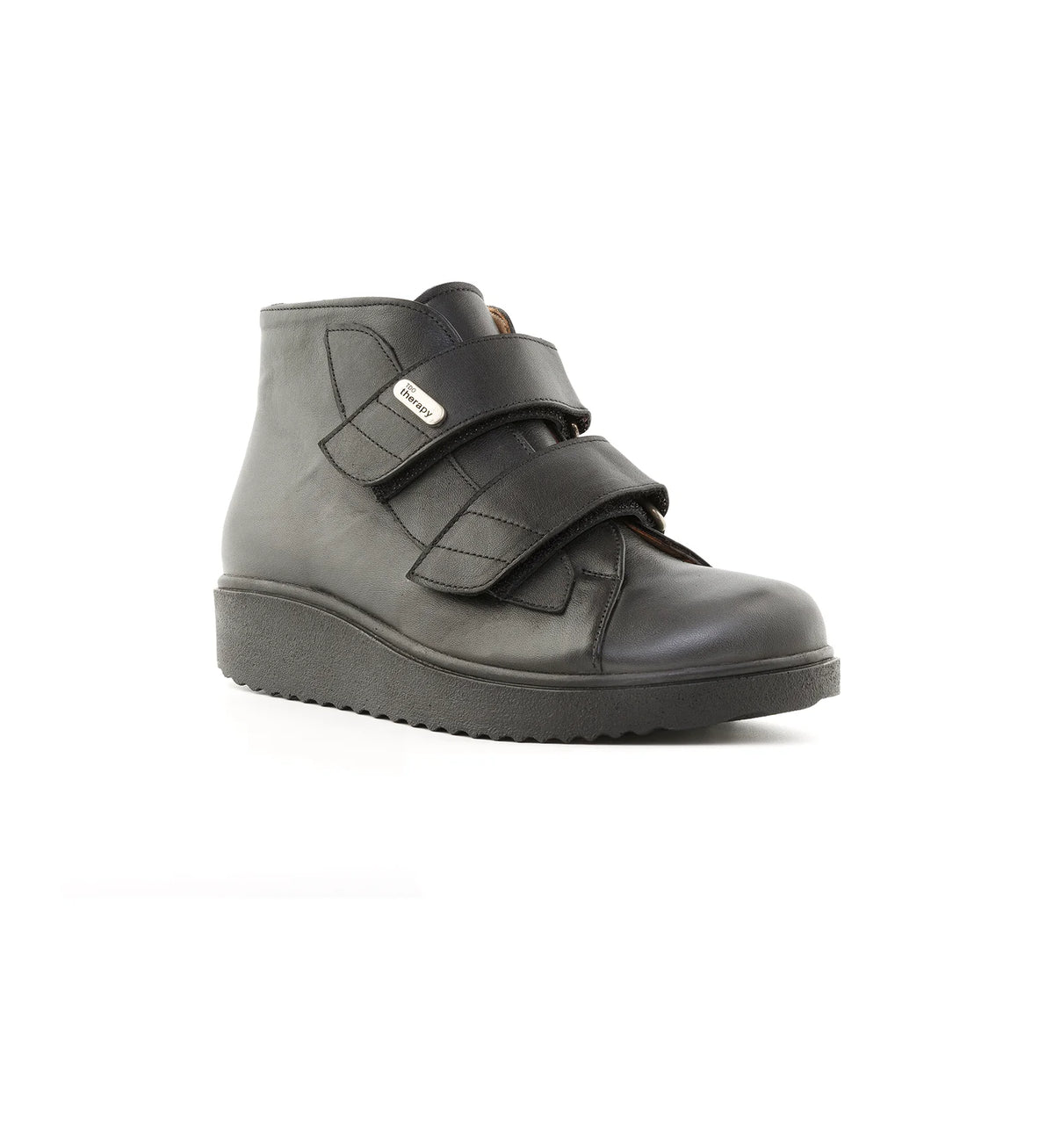
At TDO Therapy, footwear is designed to reduce pressure while maintaining support. Many of our styles are designed specifically for swollen feet, oedema, and pressure-sensitive conditions.
Our shoes include:
- extra depth fitting for swelling and protection
- soft natural leather that adapts to the foot
- seam-free interiors to minimise irritation
- structured soles for stability
- adjustable Velcro fastening for flexible fit
This combination helps manage swelling without compromising support.
FAQ
What type of shoes are best for swollen feet?
Shoes with extra depth, soft materials, and adjustable fastening are the best choice.
Should I go a size bigger for swollen feet?
Not necessarily. The right depth and adjustability are more important than simply going up a size.
Are soft shoes better for swelling?
Soft materials help, but structure is still needed for proper support.
Can tight shoes make swelling worse?
Yes. Tight shoes can restrict circulation and increase pressure, making swelling more uncomfortable.
Final Thoughts
Swollen feet require more than just wider shoes.
The right footwear should reduce pressure, adapt to changes in size, and provide stability throughout the day — especially when walking and standing for long periods.
Choosing shoes with the correct combination of depth, softness, and support can make a significant difference in both comfort and mobility.