

Introduction
When people look for better footwear, one word comes up again and again:
Support.
But what does a “supportive shoe” actually mean?
For many, it’s associated with comfort — something that feels soft or cushioned. In reality, true support goes far beyond that. A supportive shoe is designed to stabilise your foot, guide movement, and reduce strain on your body.
If you want to understand how support works during movement, it also helps to look at how pressure is distributed through your feet when you walk.
In this guide, we’ll break down exactly what makes a shoe supportive — in a simple, practical way.
What Does “Supportive” Really Mean?
A supportive shoe doesn’t just feel good when you put it on.
It continues to support your foot throughout every step you take.
True support means:
- Controlling foot movement
- Maintaining proper alignment
- Distributing pressure evenly
- Reducing stress on joints
It’s not just about softness — it’s about structure and function.
Support also directly affects how your body moves — especially your walking pattern, which plays a key role in overall comfort and long-term joint health.
The 5 Key Features of a Supportive Shoe
1. Structured Sole Unit
The sole is the foundation of the shoe.
A supportive sole:
- Provides stability
- Prevents excessive bending
- Helps control foot motion
Shoes that are too flexible can allow your foot to collapse or move excessively.
2. Stable Heel Support
The heel should be held securely in place.
Good heel support:
- Keeps your foot aligned
- Reduces wobbling
- Improves balance
A weak heel structure often leads to instability and fatigue.
3. Controlled Flexibility
Shoes should bend — but only in the right place.
Supportive footwear:
- Flexes at the forefoot (where your toes bend)
- Remains firm through the midfoot
Too much flexibility reduces support and increases strain.
4. Proper Fit and Depth
Support is not just about structure — it’s also about fit.
A supportive shoe should:
- Provide enough depth for your foot
- Prevent pressure on toes
- Accommodate swelling or orthotics
A poor fit reduces the effectiveness of all other features.
5. Secure Fastening System
A shoe must hold your foot in place.
This includes:
- Velcro straps
- Laces
- Adjustable closures
Without a secure fit, even a well-designed shoe cannot provide proper support.
Why Cushioning Alone Is Not Enough
Many people confuse cushioning with support.
Soft shoes may:
- Feel comfortable initially
- Absorb some impact
But they often:
- Lack stability
- Allow excessive movement
- Fail to guide your foot
Supportive shoes combine cushioning with structure — not one or the other. This is why proper foot support matters far more than cushioning alone when choosing everyday footwear.
How Supportive Shoes Improve Daily Movement
When your shoes provide proper support:
- Your posture improves
- Your walking becomes more efficient
- Your joints experience less strain
- Your balance becomes more stable
Over time, this reduces the risk of:
- Foot pain
- Joint discomfort
- Fatigue
This becomes even more important when considering balance and fall risk, particularly for older adults or those with reduced stability.
Who Benefits Most from Supportive Footwear?
While everyone benefits from support, it’s especially important for:
- Older adults
- People with diabetes
- Those with arthritis
- Individuals with foot pain or instability
- Anyone who stands or walks for long periods
Poor footwear can also contribute to issues higher up in the body, including knee, hip, and back pain — making proper support essential beyond just the feet.
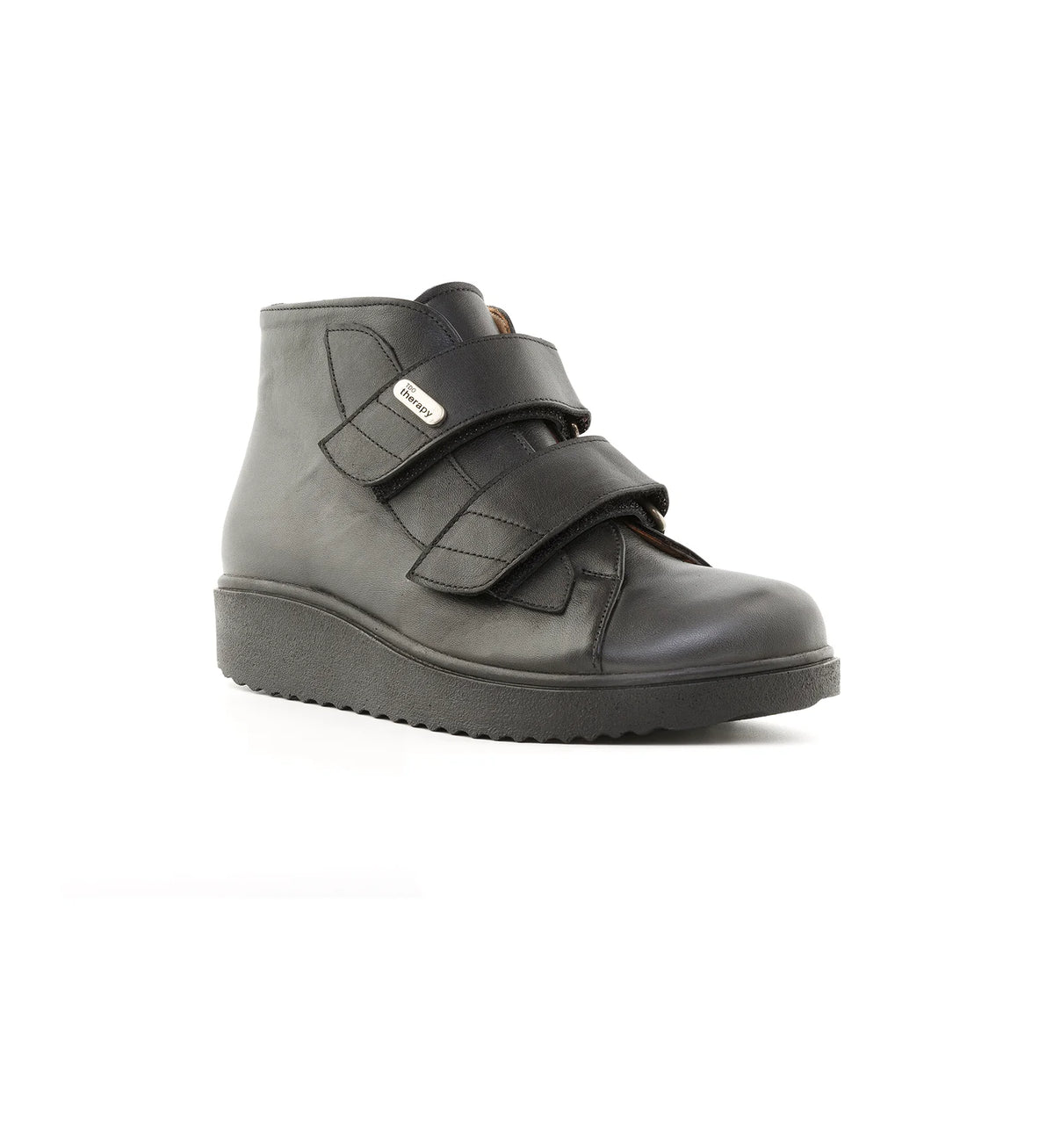
The TDO Therapy Approach
At TDO Therapy, supportive footwear is designed with clinical precision.
Our shoes include:
- Structured orthopaedic design for alignment and stability
- Rocker bottom soles to guide natural walking motion
- Extra depth fitting for improved comfort and protection
- 3-layer protection system for cushioning with structure
- Seam-free interiors to reduce friction
This ensures every step is not only comfortable but also stable and supported.
Explore our range of orthopaedic shoes for stability and support.
Quick Checklist: Is Your Shoe Supportive?
Ask yourself:
✔ Does the shoe feel stable when you walk?
✔ Does it hold your heel securely?
✔ Does it prevent excessive foot movement?
✔ Does it support your arch and alignment?
✔ Does it fit properly without pressure?
If the answer is no to any of these, your shoes may not be providing enough support.
FAQ
How do I know if my shoes are supportive?
Supportive shoes feel stable, hold your foot securely, and guide your movement — not just feel soft.
Are expensive shoes always more supportive?
Not necessarily. Support depends on design, not price.
Can supportive shoes reduce foot pain?
Yes. Proper support can improve alignment and reduce strain, often relieving pain.
What should I avoid in a shoe?
Avoid overly soft, flat, or unstable shoes that lack structure.
Final Thoughts
Supportive footwear is not about luxury — it’s about function.
The right shoes don’t just make walking more comfortable.
They improve how your body moves, reduce strain, and protect your long-term health.
Understanding what makes a shoe supportive is the first step towards making better choices for your feet. Many people focus only on comfort, but true footwear performance comes from the right balance of structure, fit, and support working together.