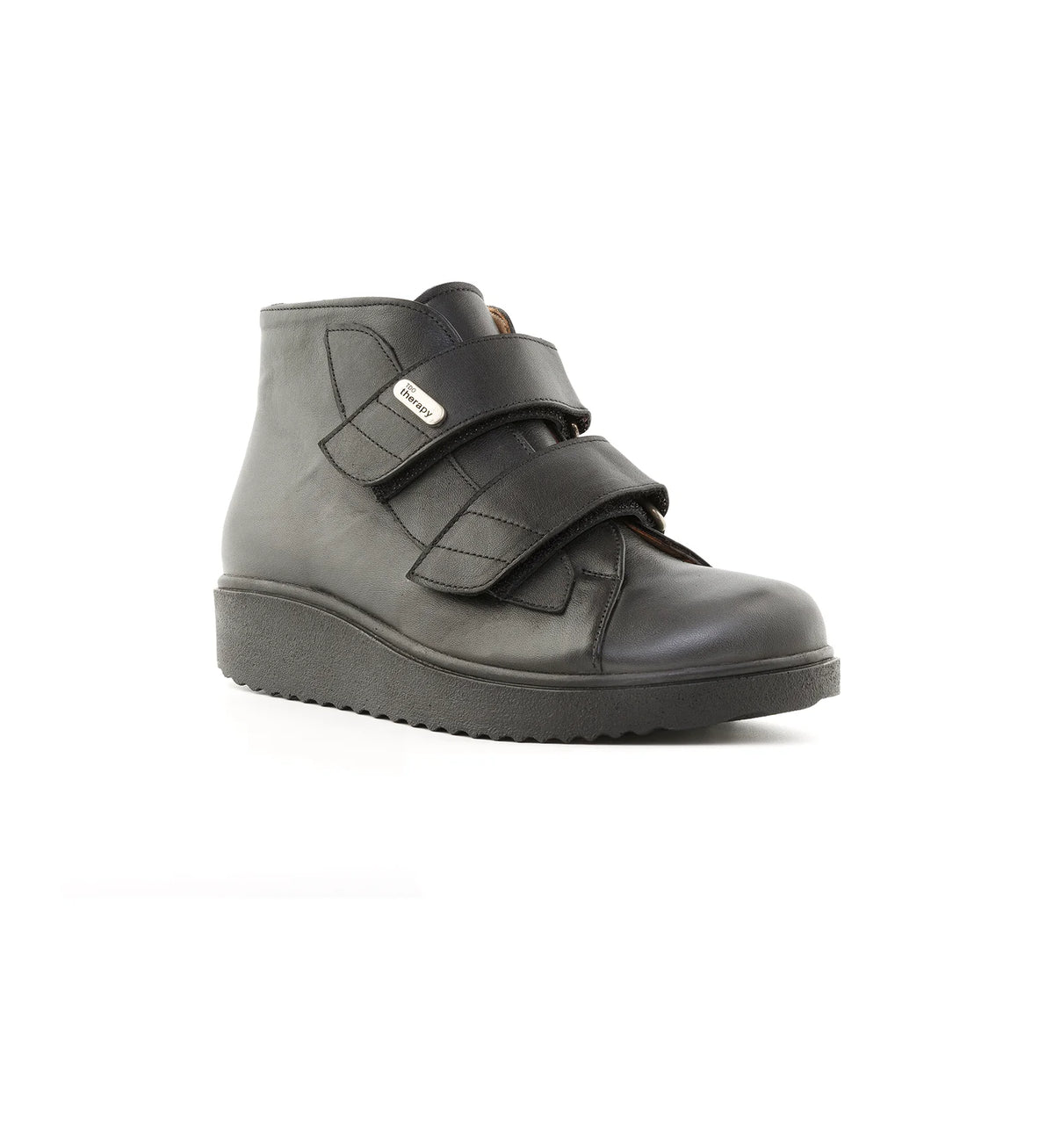
Why the Distinction Matters More Than Most People Realise
Many people searching for relief from foot pain are directed towards “comfort shoes” on the high street. These shoes are often marketed as cushioned, soft, wide-fit, or supportive. While they may feel pleasant when first tried on, they are not always suitable for individuals with complex or medical foot conditions.
Specialist orthopaedic footwear, on the other hand, is designed with clinical intent. The difference lies not in branding or price, but in structure, depth, protection, and biomechanical engineering.
Understanding this distinction is essential for anyone managing diabetes, arthritis, swelling, balance issues, or post-surgical recovery.
What Are High Street Comfort Shoes?
High street comfort shoes are typically designed for general consumer use. Their main focus is immediate comfort and broad market appeal.
They often feature:
-
Soft cushioning
-
Flexible soles
-
Stretchy uppers
-
Wider fitting options
-
Lightweight construction
For individuals with healthy feet who simply want everyday comfort, these features may be sufficient. However, comfort does not automatically equal medical suitability.
The limitation arises when footwear is required to address structural, biomechanical, or protective needs.
What Defines Specialist Orthopaedic Footwear?
Specialist orthopaedic footwear is designed to support foot health from a structural and clinical perspective. Rather than focusing solely on softness, these shoes are engineered to:
-
Stabilise the foot
-
Redistribute pressure
-
Protect sensitive tissue
-
Accommodate orthotics
-
Reduce strain on joints
This type of footwear is particularly relevant for individuals with:
-
Diabetes or neuropathy
-
Arthritis
-
Foot deformities
-
Swelling or oedema
-
AFO or orthotic requirements
-
Balance instability
The design principles behind specialist footwear are preventative as well as supportive.
Structural Support vs Softness
One of the biggest misconceptions is that softer shoes are automatically better for painful feet.
High Street Comfort Approach
Comfort shoes often rely heavily on cushioning. While cushioning can reduce impact sensation, excessive softness may:
-
Reduce stability
-
Allow excessive foot movement
-
Increase fatigue
-
Compromise alignment
In some cases, overly flexible shoes may worsen instability for individuals with weakened joints or balance concerns.
Specialist Orthopaedic Approach
Specialist orthopaedic footwear balances cushioning with structure. Key features typically include:
-
Reinforced heel counters
-
Structured leather uppers
-
Controlled flexibility
-
Shock-absorbing midsoles
-
Secure fastening systems
This combination provides both comfort and controlled stability, which is particularly important for long-term joint protection.
Depth and Internal Volume: A Critical Difference
High street “wide fit” shoes often increase width but do not increase internal depth.
This means:
-
The shoe may feel roomy at the sides
-
But pressure may still occur on the top of the foot or toes
Specialist orthopaedic footwear incorporates extra depth construction, allowing:
-
Safe orthotic accommodation
-
Reduced dorsal pressure
-
Better management of swelling
-
Improved overall fit security
For individuals with diabetic foot concerns or toe deformities, internal volume can be the difference between protection and risk.
Seamless Interiors and Skin Protection
Many high street comfort shoes include visible internal stitching and seam lines. For individuals with normal sensation, this may not cause problems.
However, for those with neuropathy or fragile skin, internal seams can lead to:
-
Friction
-
Irritation
-
Blister formation
-
Ulcer risk
Specialist orthopaedic footwear often includes seamless or low-friction interior linings designed specifically to reduce pressure points and protect vulnerable skin.
This design focus is especially important for diabetic patients.
Biomechanics: Designed for Movement Efficiency
Comfort shoes are rarely engineered with detailed biomechanical intent. Their soles may be flexible and lightweight, but they do not actively support gait mechanics.
Specialist orthopaedic footwear often incorporates features such as:
-
Rocker soles
-
Pressure-redistributing outsoles
-
Shock-absorbing midsoles
-
Stable base design
These elements work together to:
-
Reduce forefoot pressure
-
Improve gait transition
-
Decrease joint strain
-
Enhance walking efficiency
For individuals with arthritis or chronic foot pain, biomechanical support is not optional — it is essential.
Orthotic Compatibility
High street shoes frequently lack:
-
Removable insoles
-
Adequate depth
-
Sufficient internal volume
This makes orthotic insertion difficult or ineffective.
Specialist orthopaedic shoes are designed with removable footbeds and structured interiors, ensuring that custom orthotics can function properly without compromising fit.
Without appropriate shoe compatibility, even the best orthotic device may fail to deliver intended benefits.
Longevity and Durability
Comfort footwear is often built for general wear rather than long-term structural integrity.
Specialist orthopaedic footwear typically uses:
-
High-quality natural leather
-
Reinforced construction
-
Durable outsoles
-
Supportive internal frameworks
This ensures consistent support over time rather than collapse after months of use.
In the long term, durability contributes to both safety and cost-effectiveness.
Who Should Choose Specialist Orthopaedic Footwear?
While not everyone requires medical-grade footwear, it is particularly advisable for individuals experiencing:
-
Recurrent foot pain
-
Joint stiffness
-
Swelling that fluctuates during the day
-
Post-operative recovery
-
Reduced sensation in the feet
-
Instability or frequent imbalance
For these individuals, footwear becomes part of a broader health management strategy rather than simply a style preference.
At TDO Therapy, the focus is on providing structured orthopaedic footwear designed specifically for complex foot needs — not just wider comfort options. The aim is long-term protection, stability, and confidence in movement.
The Hidden Risk of Choosing the Wrong Shoe Type
Selecting footwear based solely on initial comfort may lead to:
-
Worsening joint strain
-
Increased instability
-
Accelerated deformity progression
-
Higher risk of skin complications
-
Reduced mobility over time
Properly structured orthopaedic footwear helps mitigate these risks by addressing the underlying mechanical demands of walking.
Making an Informed Decision
When comparing specialist orthopaedic footwear with high street comfort shoes, consider asking:
-
Does this shoe provide structural heel support?
-
Is there sufficient internal depth?
-
Can it safely accommodate orthotics?
-
Does it protect against friction and pressure?
-
Is it designed with biomechanical function in mind?
These questions shift the focus from short-term comfort to long-term foot health.
Final Thoughts: Comfort Is Not the Same as Protection
High street comfort shoes can feel pleasant, but they are not designed to manage complex or medical foot conditions.
Specialist orthopaedic footwear offers:
-
Engineered structure
-
Extra depth
-
Protective interior design
-
Biomechanical sole support
-
Long-term durability
For individuals with diabetes, arthritis, swelling, instability, or orthotic requirements, this difference is significant.
Choosing the right category of footwear is not about luxury — it is about safety, prevention, and maintaining mobility with confidence.