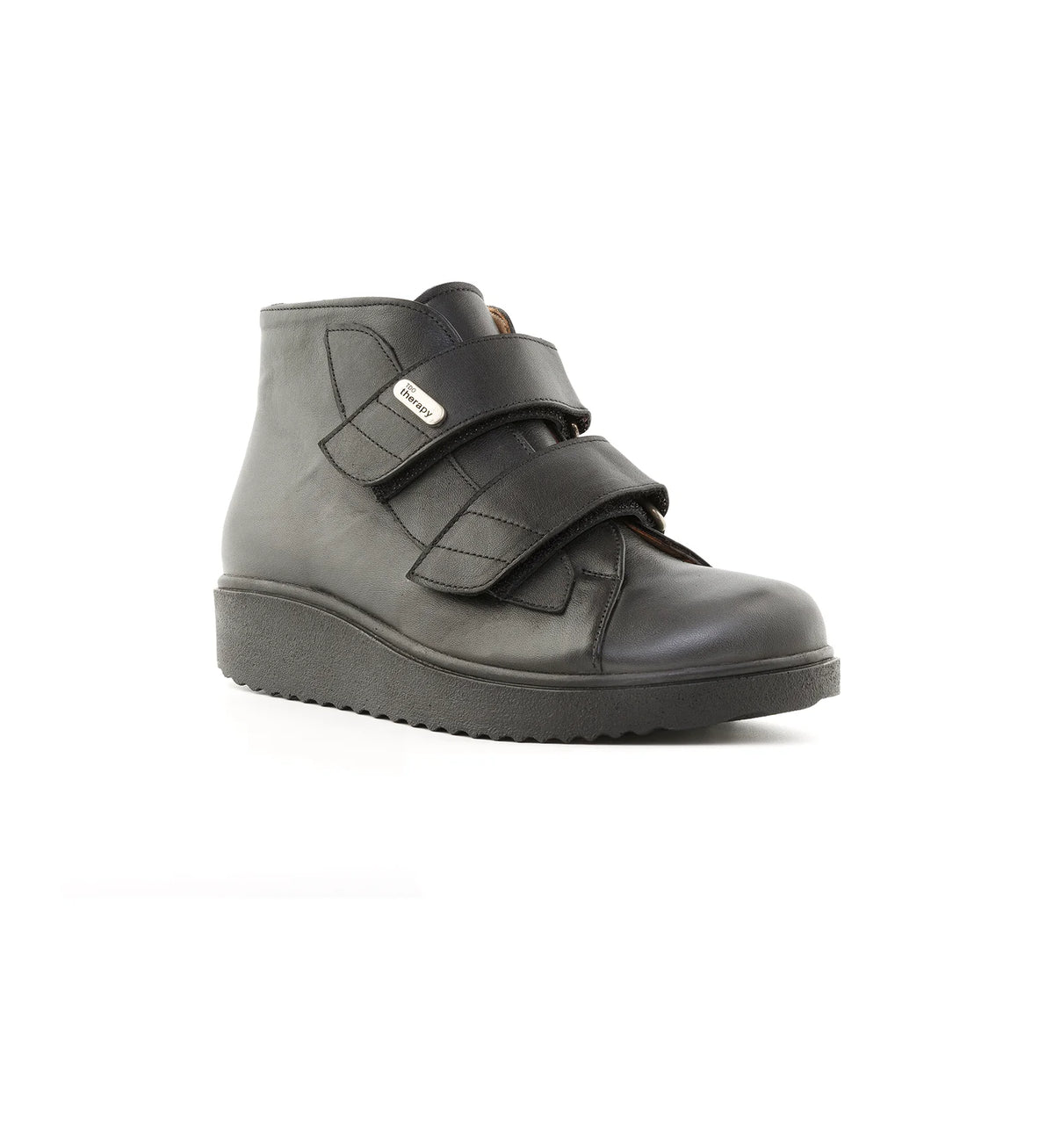

Foot fatigue is one of the most common — and most underestimated — problems in daily life. By the end of the day, many people experience aching soles, heavy legs, burning sensations, or a deep tiredness in their feet that makes even standing uncomfortable. Over time, this daily fatigue doesn’t just stay in the feet; it spreads upward, affecting ankles, knees, hips, and the lower back.
What many people don’t realise is that foot fatigue is rarely about activity alone. In most cases, it’s caused by footwear that fails to support the foot properly throughout the day. Therapeutic shoes are specifically designed to address this problem at its root — by reducing strain, improving alignment, and allowing the foot to function efficiently rather than working overtime.
At TDO Therapy, therapeutic orthopedic shoes are engineered to reduce daily foot fatigue while supporting long-term foot health. This guide explains what causes foot fatigue, why it accumulates day after day, and how the right therapeutic footwear can dramatically change how your feet feel — from morning to night.
What Is Daily Foot Fatigue?
Foot fatigue is more than just “tired feet.” It’s a signal that the muscles, tendons, and joints in the foot are being overloaded.
Common Signs of Foot Fatigue
Daily foot fatigue often presents as:
-
Aching soles
-
Burning sensations
-
Throbbing or heaviness
-
Tight arches
-
Heel soreness
-
Forefoot discomfort
-
Stiffness at the end of the day
-
Reduced desire to walk or stand
If these symptoms appear regularly, your footwear may be forcing your feet to work harder than they should.
Why Foot Fatigue Builds Over Time
Foot fatigue accumulates because:
-
The foot compensates for lack of support
-
Muscles stay tense for long periods
-
Pressure concentrates in specific areas
-
Impact isn’t properly absorbed
-
Alignment issues go uncorrected
Without intervention, fatigue becomes chronic discomfort — and eventually pain.
The Hidden Causes of Daily Foot Fatigue
Understanding why your feet feel exhausted helps explain why therapeutic shoes are so effective.
1. Poor Arch Support
Arches act as natural shock absorbers. When unsupported, the muscles of the foot must work constantly to stabilise the body.
This leads to:
-
Muscle overuse
-
Arch strain
-
Faster fatigue
2. Hard Ground and Repetitive Impact
Modern life involves walking on:
-
Concrete
-
Tile
-
Laminate
-
Pavement
Without proper cushioning, every step sends shock directly into the feet and joints.
3. Narrow or Shallow Shoes
Shoes that restrict natural foot movement cause:
-
Pressure build-up
-
Reduced circulation
-
Muscle tension
-
Early fatigue
4. Heavy or Rigid Footwear
Bulky shoes increase effort with every step, accelerating muscle exhaustion.
5. Poor Alignment
When the foot rolls inward or outward excessively, muscles and tendons compensate all day — leading to fatigue that feels deep and persistent.

How Therapeutic Shoes Reduce Foot Fatigue
Therapeutic shoes are designed not just for comfort, but for efficiency. They help the foot do less work while still moving naturally.
1. Even Pressure Distribution
Therapeutic shoes spread body weight evenly across the foot, reducing pressure hotspots in the heel and forefoot.
This prevents:
-
Burning sensations
-
Sore spots
-
Early muscle exhaustion
2. Proper Arch Support Reduces Muscle Overwork
When arches are supported:
-
Muscles relax
-
Tendons are protected
-
Stability improves
The foot no longer has to “hold itself up” all day.
3. Shock-Absorbing Cushioning
Memory foam and layered cushioning:
-
Absorb impact
-
Reduce vibration through the foot
-
Protect joints
Less impact = less fatigue.
4. Rocker Soles Improve Walking Efficiency
Rocker soles help the foot roll smoothly from heel to toe, reducing the effort required for each step.
This is especially effective for:
-
Long days on your feet
-
Older adults
-
People with joint stiffness
5. Lightweight Construction
Therapeutic shoes designed correctly are lightweight, meaning:
-
Less energy used per step
-
Reduced calf and ankle fatigue
-
Easier all-day movement
6. Stable Heel and Midfoot Support
Stability prevents unnecessary muscle engagement. A secure heel keeps movement controlled and efficient.
7. Breathable Materials Reduce Heat Fatigue
Overheated feet tire faster. Natural calf leather and breathable linings help regulate temperature and improve comfort.
Who Experiences Daily Foot Fatigue Most?
Therapeutic shoes are especially beneficial for:
People Who Stand or Walk for Long Hours
-
Retail workers
-
Healthcare staff
-
Hospitality workers
-
Teachers
-
Caregivers
Older Adults
-
Reduced muscle endurance
-
Thinner fat pads
-
Increased joint stress
People with Foot Conditions
-
Plantar fasciitis
-
Arthritis
-
Flat feet
-
High arches
-
Bunions
Those with Swelling or Circulation Issues
-
Edema
-
Diabetes
-
Varicose veins
Anyone Experiencing End-of-Day Discomfort
If your feet feel “done” before you are, therapeutic shoes can help.
Therapeutic Shoes vs Regular Shoes
| Feature | Therapeutic Shoes | Regular Shoes |
|---|---|---|
| Pressure distribution | Even & supportive | Uneven |
| Arch support | Engineered | Often minimal |
| Cushioning | Shock-absorbing | Basic or firm |
| Fatigue reduction | Yes | Often increases |
| Stability | High | Variable |
| All-day comfort | Designed for it | Often short-term |
How TDO Therapy Designs Shoes to Reduce Foot Fatigue
At TDO Therapy, reducing fatigue is a core design priority, not an afterthought.
Each therapeutic shoe includes:
✔ Memory foam embedded cushioning
✔ Rocker bottom soles for walking efficiency
✔ Natural calf leather uppers
✔ Seamless interiors to reduce friction
✔ Reinforced heel counters for stability
✔ Wide and extra-wide fittings
✔ Lightweight yet protective construction
This combination allows feet to stay comfortable, supported, and energised throughout the day.
Everyday Activities That Feel Easier with Therapeutic Shoes
Once daily foot fatigue is reduced, people notice improvements in:
✓ Standing for longer periods
✓ Walking further without discomfort
✓ Household chores
✓ Commuting and errands
✓ Social activities
✓ Work shifts
✓ Evening energy levels
When feet feel better, the whole day feels easier.
Long-Term Benefits of Reducing Foot Fatigue
Addressing fatigue early prevents bigger issues later:
-
Reduced risk of chronic foot pain
-
Improved posture
-
Better joint health
-
Increased daily activity
-
Improved balance
-
Greater independence
Therapeutic shoes support both immediate comfort and long-term wellbeing.
Frequently Asked Questions
Are therapeutic shoes only for medical conditions?
No — they benefit anyone experiencing daily foot fatigue.
Do therapeutic shoes really reduce tired feet?
Yes — by improving efficiency, support, and cushioning.
Are they suitable for all-day wear?
Absolutely. They’re designed specifically for extended use.
Can they help with standing jobs?
Yes — therapeutic shoes are ideal for long standing hours.
Are TDO Therapy shoes fatigue-reducing?
Yes — every design focuses on reducing strain and improving comfort.
Final Thoughts
Daily foot fatigue should not be accepted as normal. When your feet are properly supported, cushioned, and aligned, they don’t need to work as hard — and that difference is felt in every step.
Therapeutic shoes are one of the most effective ways to reduce daily foot fatigue, improve comfort, and protect long-term foot health. They transform walking and standing from exhausting tasks into natural, effortless movement.
At TDO Therapy, our therapeutic orthopedic shoes are designed to keep your feet energised, supported, and comfortable — so you can finish each day feeling as good as you started it.