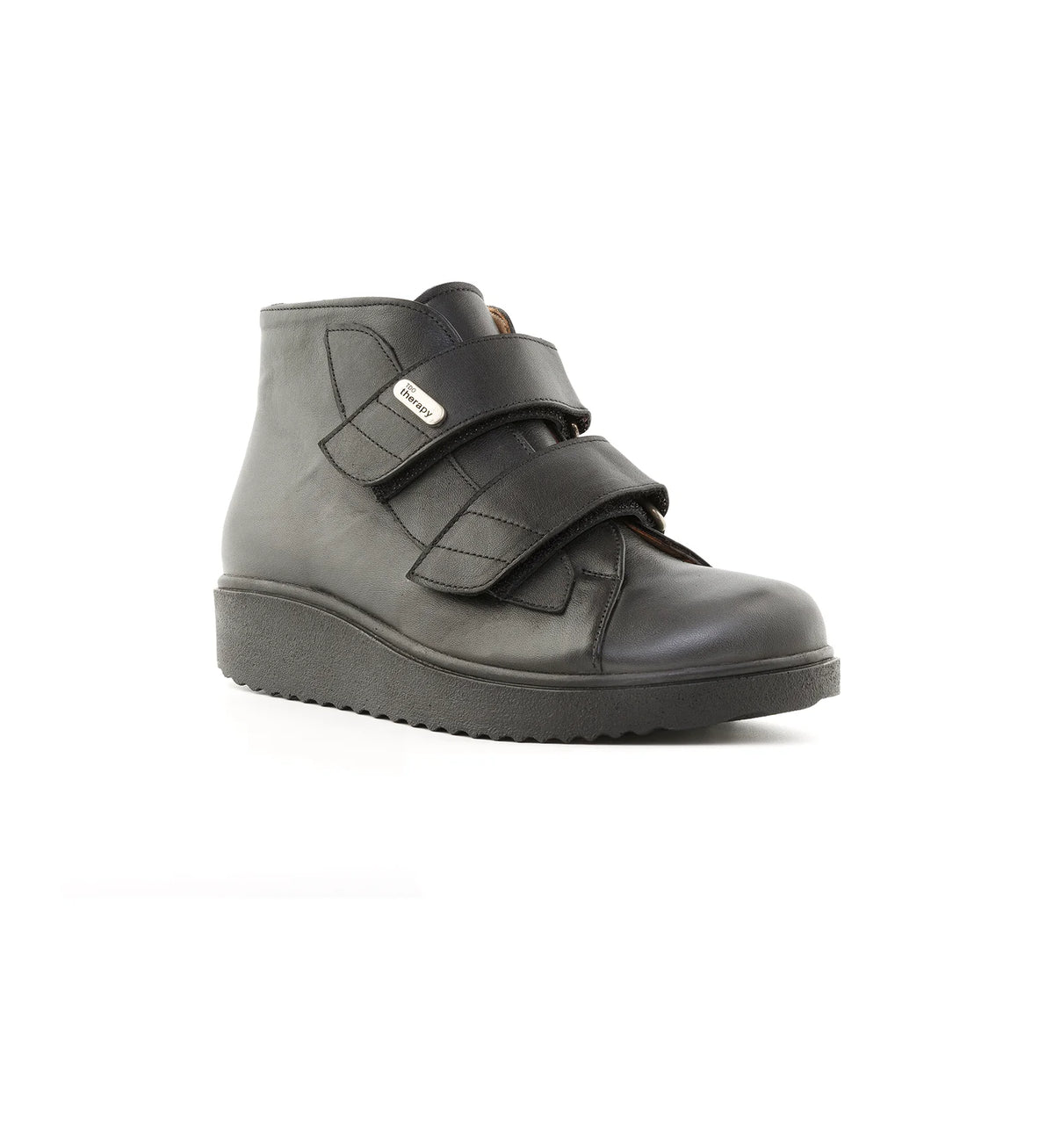

Introduction
Recovering from foot surgery is not just about rest — it’s about making the right choices during your recovery.
One of the most important decisions is what shoes you wear after surgery.
Wearing the wrong footwear too soon can slow healing, increase discomfort, and even lead to complications. On the other hand, the right shoes can support recovery, improve mobility, and protect your feet during this critical period.
In this guide, we’ll explain exactly what to look for when choosing shoes after foot surgery.
When Can You Start Wearing Normal Shoes After Foot Surgery?
The timeline depends on the type of surgery, but generally:
- 0–2 weeks → post-op shoe or bandaging
- 2–6 weeks → transition footwear (extra depth, protective)
- 6+ weeks → gradual return to supportive everyday shoes
It’s important not to rush this process.
Even if your foot feels better, it may still be vulnerable to pressure and instability.
What Features Should You Look for in Post-Surgery Shoes?
Choosing the right footwear after surgery is not about style — it’s about protection and stability.
1. Extra Depth and Space
After surgery, your foot may be:
- swollen
- bandaged
- sensitive to pressure
Shoes with extra depth help:
- reduce pressure on healing areas
- accommodate swelling
- allow space for dressings or orthotics
Explore our wide-fitting shoes range.
2. Soft, Seam-Free Interior
Friction is one of the biggest risks after surgery.
A good post-surgery shoe should:
- minimise rubbing
- avoid internal seams
- protect sensitive skin
This is especially important for people with slower healing or reduced sensation.
3. Stable and Structured Sole
After surgery, your walking pattern is often unstable.
A structured sole helps:
- improve balance
- reduce strain on the foot
- prevent excessive movement
Learn more about how shoes affect your walking pattern
4. Rocker Bottom Support
Rocker soles are particularly useful after many types of foot surgery.
They help:
- guide your step forward
- reduce pressure on the forefoot
- improve walking efficiency
Learn more about what makes a shoe supportive
5. Easy and Secure Fastening
After surgery, bending or adjusting tight shoes can be difficult.
Look for:
- Velcro straps
- wide opening designs
- easy-entry structure
These make it easier to put on and remove shoes without strain.
What Types of Shoes Should You Avoid?
Not all “comfortable” shoes are suitable after surgery.
Avoid:
- overly soft or flexible shoes
- tight or narrow toe boxes
- slip-on shoes without support
- flat shoes with no structure
These can:
- increase instability
- create pressure points
- delay recovery
Common Mistake: Returning to Normal Shoes Too Early
One of the most common mistakes is going back to regular footwear too soon.
Even if swelling has reduced, your foot may still need:
- protection
- structured support
- controlled movement
Rushing this stage can lead to setbacks.
Who Needs Post-Surgery Footwear the Most?
While everyone recovering from foot surgery needs proper footwear, it is especially important for:
- older adults
- people with diabetes
- individuals with neuropathy
- those recovering from bunion or toe surgery
These groups are more vulnerable to pressure, imbalance, and delayed healing.
The TDO Therapy Approach
At TDO Therapy, footwear is designed to support recovery as well as long-term foot health.
Our shoes include:
- extra depth for swelling and protection
- rocker bottom soles to reduce pressure
- structured support for stability
- seam-free interiors to minimise irritation
- soft natural leather for comfort and breathability
This combination helps patients transition safely from recovery to everyday movement.
FAQ
What shoes should I wear after bunion surgery?
Shoes with extra depth, soft interiors, and a stable sole are ideal. Avoid tight or narrow footwear.
Can I wear trainers after foot surgery?
Only if they provide enough depth, structure, and support. Many standard trainers are too soft or shallow.
Are rocker sole shoes good after surgery?
Yes. They can reduce pressure and improve walking efficiency during recovery.
How long should I wear supportive shoes after surgery?
This varies, but many people benefit from supportive footwear even after full recovery.
Final Thoughts
Foot surgery recovery doesn’t end when the wound heals.
The shoes you wear afterwards play a major role in how well and how quickly you recover.
Choosing footwear with the right structure, depth, and support can help protect your foot, improve stability, and make your return to daily life smoother and safer.