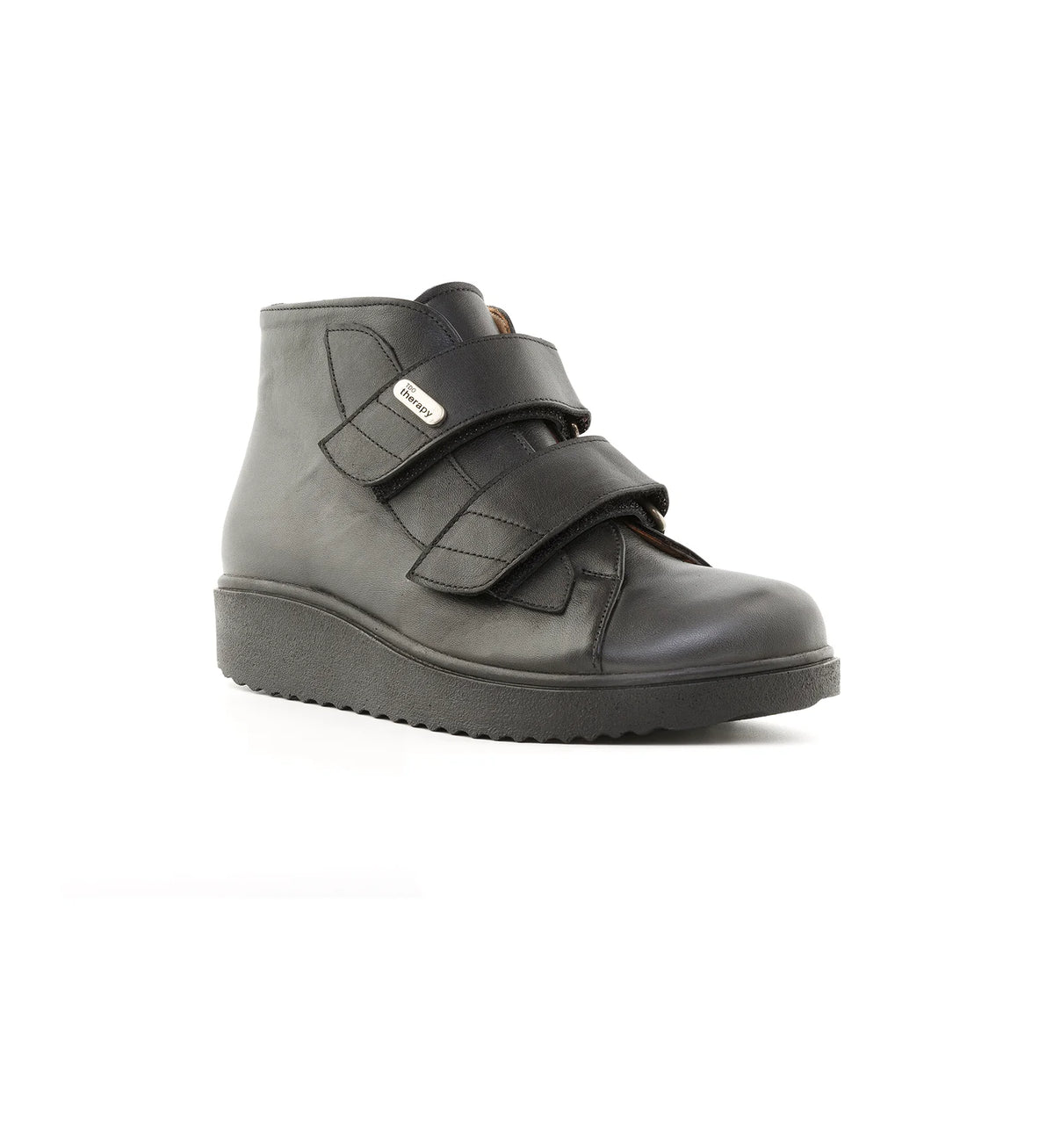
Why This Question Matters More Than You Think
Many people continue wearing standard footwear long after their feet start showing signs of strain or discomfort. The problem is that these signs are often ignored or mistaken as temporary issues.
In reality, delaying the switch to more supportive, medical-grade footwear can lead to:
- Increased foot pain
- Joint strain
- Reduced mobility
- Higher risk of long-term complications
Understanding when to transition to medical footwear is not about overreacting — it is about prevention and long-term foot health.
You Experience Persistent Foot Pain
Occasional discomfort can happen after long periods of walking or standing. However, persistent or recurring pain is a clear signal that your footwear may not be providing adequate support.
Common types of pain include:
- Heel pain
- Forefoot discomfort
- Arch fatigue
- Joint stiffness
If pain continues despite rest or changing activities, it may be time to consider footwear designed to support and protect the foot more effectively.
Your Feet Are Changing Shape
Feet do not remain the same throughout life. Over time, you may notice:
- Bunions developing
- Toes changing position
- Increased width or swelling
- Flattening of the arch
Standard footwear is rarely designed to accommodate these changes. Medical footwear, however, provides the space and structure needed to adapt to evolving foot shapes.
You Rely on Orthotics or Insoles
If you are using orthotics, your footwear must support them properly.
Signs that your current shoes are not suitable include:
- Tightness after inserting insoles
- Reduced comfort
- Instability while walking
Medical footwear with extra depth and removable insoles ensures that orthotics function as intended without compromising fit.
You Have Been Diagnosed with a Medical Condition
Certain conditions significantly increase the importance of proper footwear.
These include:
- Diabetes
- Arthritis
- Neuropathy
- Circulatory issues
- Post-surgical recovery
In these cases, footwear becomes part of your overall health management rather than just a lifestyle choice.
You Notice Reduced Stability or Balance
Feeling less stable while walking is an important warning sign.
You may notice:
- Unsteadiness
- Hesitation when walking
- Increased reliance on support
Shoes that lack structure can contribute to instability. Medical footwear is designed to provide a stable base, helping improve confidence and reduce fall risk.
Your Shoes Feel Comfortable at First — But Not Later
A common pattern is initial comfort followed by discomfort after a few hours.
This may indicate:
- Poor pressure distribution
- Insufficient support
- Lack of internal space
Medical footwear is designed to maintain comfort throughout the day, not just during initial wear.
You Experience Daily Swelling
Feet often swell naturally, but if swelling becomes noticeable or frequent, your footwear must adapt.
Shoes that become tight later in the day can:
- Restrict circulation
- Increase pressure
- Cause discomfort
Medical footwear with adjustable fastening and extra depth allows for these changes without compromising fit.
You Prefer Soft Shoes but Still Feel Discomfort
Many people choose very soft shoes believing they will solve foot problems.
However, softness alone is not enough.
Without proper structure, soft shoes may:
- Increase instability
- Reduce support
- Allow excessive foot movement
Medical footwear balances cushioning with structural support to provide both comfort and protection.
You Are Becoming Less Active Due to Foot Discomfort
One of the most important signs is a gradual reduction in activity.
If you find yourself:
- Walking less
- Avoiding outings
- Feeling reluctant to stand for long periods
your footwear may be contributing to the problem.
Properly supportive shoes can help restore confidence and encourage more movement.
What Changes When You Switch to Medical Footwear
Transitioning to medical-grade orthopaedic footwear can lead to noticeable improvements.
These may include:
- Reduced pain during walking
- Improved stability
- Better pressure distribution
- Increased comfort over longer periods
- Greater confidence in daily movement
At TDO Therapy, footwear is designed with these outcomes in mind — focusing on structure, depth, and protection to support long-term foot health.
Is It Too Early to Switch?
Many people delay switching to medical footwear because they believe their condition is “not severe enough”.
In reality, early intervention can:
- Prevent worsening of foot problems
- Reduce long-term damage
- Improve comfort sooner
Medical footwear is not only for advanced conditions — it is also a preventative solution.
Making the Transition the Right Way
When switching to medical footwear, consider:
- Proper sizing and fit
- Adequate depth for your needs
- Structural support
- Material quality
- Adjustability
If possible, professional fitting or guidance can help ensure the best outcome.
Final Thoughts: Don’t Wait for the Problem to Get Worse
Foot problems rarely resolve on their own when caused by unsuitable footwear.
Switching to medical footwear at the right time can:
- Protect your feet
- Improve comfort
- Support mobility
- Prevent future complications
Rather than waiting for discomfort to become severe, recognising the early signs allows you to take a proactive approach to foot health.