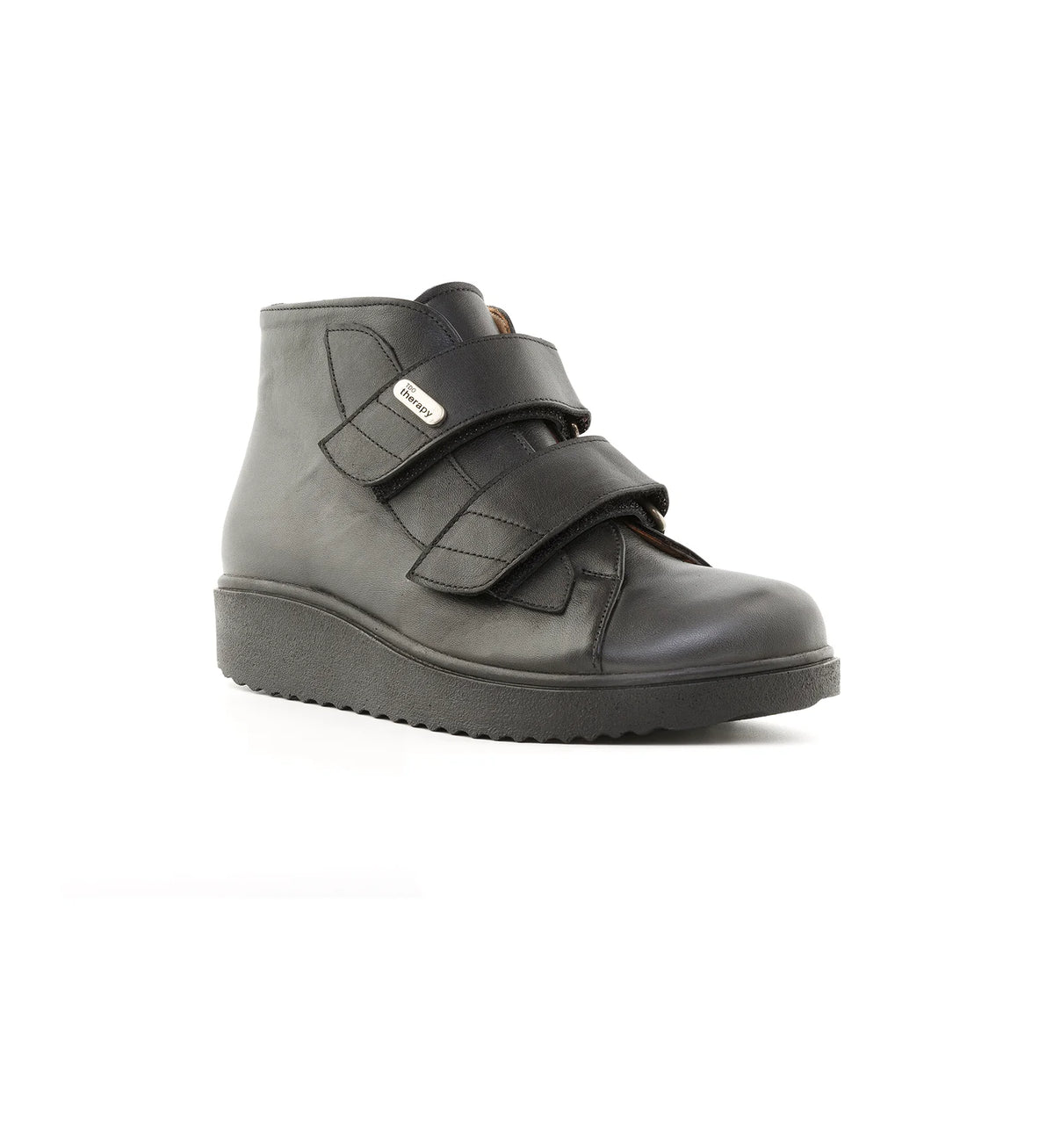

Many people start their footwear search with one idea: “I just need wider shoes.” It’s completely understandable. If your toes feel squeezed, your bunion rubs, your feet swell during the day, or your forefoot burns after walking, wide-fit footwear sounds like the obvious answer.
But here’s what we see every week: people who have tried multiple “wide” shoes (sometimes even sizing up one or two sizes) and still haven’t solved the real problem. They might feel a bit more room across the toes, but the shoe still doesn’t support, protect, or stabilise the foot properly — especially if there’s swelling, deformity, neuropathy, or balance issues involved.
Width matters. But for complex feet, width alone is rarely enough.
The Common Mistake: Going Wider Instead of Going Deeper
For many customers, the first “fix” is to buy a wider fit — and if that doesn’t work, buy a bigger size. The issue is that most shoes are not designed with the internal volume needed for foot conditions that require more than just toe space.
Why Many People Buy Bigger Shoe Sizes
People often size up because:
-
The shoe feels tight over the top of the foot (high instep)
-
There isn’t enough depth for swelling that increases through the day
-
Their orthotics or insoles won’t fit
-
Toe deformities need vertical clearance, not just width
-
The shoe’s lining and seams cause pressure points, even if it’s “wide”
A wider shoe can still be shallow. So even if the forefoot is wider, the overall internal space (volume) isn’t enough.
Why Oversized Shoes Create New Problems
Sizing up can create a different set of issues:
-
Heel slippage reduces stability and increases fall risk
-
Foot sliding forward increases pressure on toes and nails
-
Lack of arch control can worsen fatigue and alignment
-
Friction and rubbing can trigger corns, calluses, or skin breakdown
-
Unstable gait can aggravate knee, hip, or back strain
So while “bigger” might feel easier to get on, it can be less supportive and less protective long-term.

Width vs Depth: Understanding the Real Difference
This is one of the most important concepts for orthopaedic and diabetic footwear.
What “Wide Fit” Usually Means
In many mainstream brands, “wide fit” mainly increases the side-to-side space in the forefoot. But it often doesn’t change:
-
The internal height (depth)
-
The structure around the heel
-
The stability of the platform
-
The ability to accommodate orthotics
-
The protective design of the lining and seams
That’s why a “wide” shoe can still feel tight, uncomfortable, or unsafe — especially for medically complex feet.
Why Depth Often Matters More for Complex Feet
Depth is what helps when the problem is not just width, but volume.
Depth becomes critical if you have:
-
Swelling that fluctuates (oedema, venous issues, fluid retention)
-
High instep or thick midfoot volume
-
Orthotics that need space without forcing the foot upward
-
Bunion, hammer toes, claw toes needing vertical clearance
-
Sensitive feet that cannot tolerate pressure points
-
Diabetic feet that require better protection inside the shoe
A shoe can be wide and still compress the foot from above. A deeper, structured shoe reduces that pressure while improving comfort and stability.
If you want to browse structured options designed for daily support, start here: women’s structured orthopaedic shoes.
Why Soft Shoes Can Make Structural Problems Worse
A common misconception is: “If it’s soft, it’s supportive.” Softness can reduce immediate rubbing — but it doesn’t automatically improve foot mechanics or protect vulnerable tissue.
The Illusion of Comfort
Many “comfort” shoes are:
-
Very flexible through the midfoot
-
Made with soft uppers that stretch quickly
-
Built on weak heel counters
-
Cushioned but not stable
They can feel pleasant for a short time, but they often fail to provide the long-term structure needed for foot alignment and protection — especially for people with poor balance, neuropathy, or progressive foot changes.
The Importance of Heel Structure and Arch Support
Two features matter hugely for stability:
-
Reinforced heel support (to hold the foot securely)
-
Built-in arch support (to reduce collapse and fatigue)
When the rearfoot is controlled properly, the rest of the gait becomes more stable. This can reduce excessive rolling-in (overpronation), improve confidence when walking, and reduce the “sliding around” feeling many people get in oversized shoes.
If diabetic sensitivity or neuropathy is part of the picture, protective construction becomes even more important. You can explore medical-grade options here: medical-grade diabetic footwear.
What Truly Supportive Orthopaedic Footwear Should Provide
If you’ve tried wide-fit shoes and still feel discomfort, instability, or pressure, here’s what to look for next.
1) Engineered Depth and Volume
A true orthopaedic shoe should allow:
-
Enough depth for swelling and shape changes
-
Enough volume for orthotics without compressing the foot
-
A fit that adapts throughout the day (not just at 9am)
2) Structural Stability (Not Just Cushion)
Look for:
-
Firm heel support (rearfoot stability)
-
A stable base platform
-
Shape retention over time (doesn’t collapse after weeks)
3) Rocker Sole Biomechanics
A rocker sole can help:
-
Reduce forefoot pressure in painful toe joints
-
Encourage smoother walking mechanics
-
Lower stress on certain areas by improving rollover
4) Protective, Seam-Minimised Interior
For sensitive feet, especially diabetic or neuropathic feet, interior protection matters. A good shoe should reduce:
-
Friction
-
Hard seam pressure points
-
Localised rubbing that triggers corns/calluses
5) Removable Insoles and Orthotic Compatibility
A removable insole is important because it allows:
-
Proper fitting with custom orthotics
-
Adjusting depth when needed
-
Better hygiene and replacement options
The goal isn’t just “a shoe you can get into.” It’s footwear that becomes part of protecting your feet — and helps prevent problems from progressing.
When Should You Consider Specialist Fitting?
Some people can buy a standard supportive shoe and feel immediately better. But if you’ve tried multiple brands and still haven’t solved the issue, a specialist fitting often saves time, money, and discomfort.
Consider a fitting if:
-
You keep buying wider shoes but still feel pressure on top of the foot
-
You size up to get into shoes, but then slip at the heel
-
You’re wearing very thin or no insoles because “nothing fits”
-
You feel unstable or worry about falls
-
You have recurrent corns/calluses from rubbing
-
Your feet swell significantly or change shape through the day
-
You’ve tried well-known wide-fit brands and still don’t feel supported
If you’re local, you can book a fitting here: specialist fitting in Farnham
Final Thoughts
Wide shoes can absolutely help — especially for mild pressure across the forefoot. But for complex foot problems, width is only one part of the equation. Depth, structure, stability, and interior protection are often what make the difference between “I can wear it” and “this finally supports me.”
If you’re buying wide-fit shoes and still struggling, it doesn’t mean you’re “hard to fit.” It often means the shoe isn’t designed for the combination of depth, protection, and stability your feet actually need.
Explore our structured options online, or visit us for a specialist assessment and fitting — especially if comfort alone hasn’t been enough.
FAQs
Are wide shoes good for swollen feet?
They can help in mild cases, but many swollen feet need depth and volume, not just width. If swelling increases through the day, a deeper shoe with adjustable closure is usually more effective.
Should I size up if my feet are wide?
Sizing up can create heel slippage and instability. It’s often better to choose the correct length and focus on the right width + depth + structure combination.
Why do “wide fit” shoes still feel tight?
Because many wide-fit shoes increase forefoot width but remain shallow over the top of the foot (instep) and lack internal volume.
Do orthotics need special shoes?
Often yes — orthotics add height and require depth. A shoe with removable insoles and sufficient volume helps orthotics work correctly without compressing the foot.