
Introduction
Foot drop can make everyday walking feel unstable, tiring, and even unsafe.
Simple movements like lifting your foot, climbing stairs, or walking on uneven ground can become difficult. Without the right footwear, this can lead to trips, imbalance, and increased risk of falls.
Choosing the right shoes for foot drop is not just about comfort — it’s about stability, control, and support.
In this guide, we’ll explain what features really matter when selecting shoes for foot drop.
What Is Foot Drop and Why Does Footwear Matter?
Foot drop is a condition where lifting the front part of the foot becomes difficult.
This often leads to:
- dragging of the toes
- altered walking pattern
- increased risk of tripping
Footwear plays a key role because it can:
- improve stability
- support safer movement
- reduce strain on the leg and foot
Key Features to Look for in Shoes for Foot Drop
Not all shoes are suitable for foot drop. The right pair should help control movement and provide stability.
1. Secure and Adjustable Fastening
Foot drop often requires a more secure fit.
Look for:
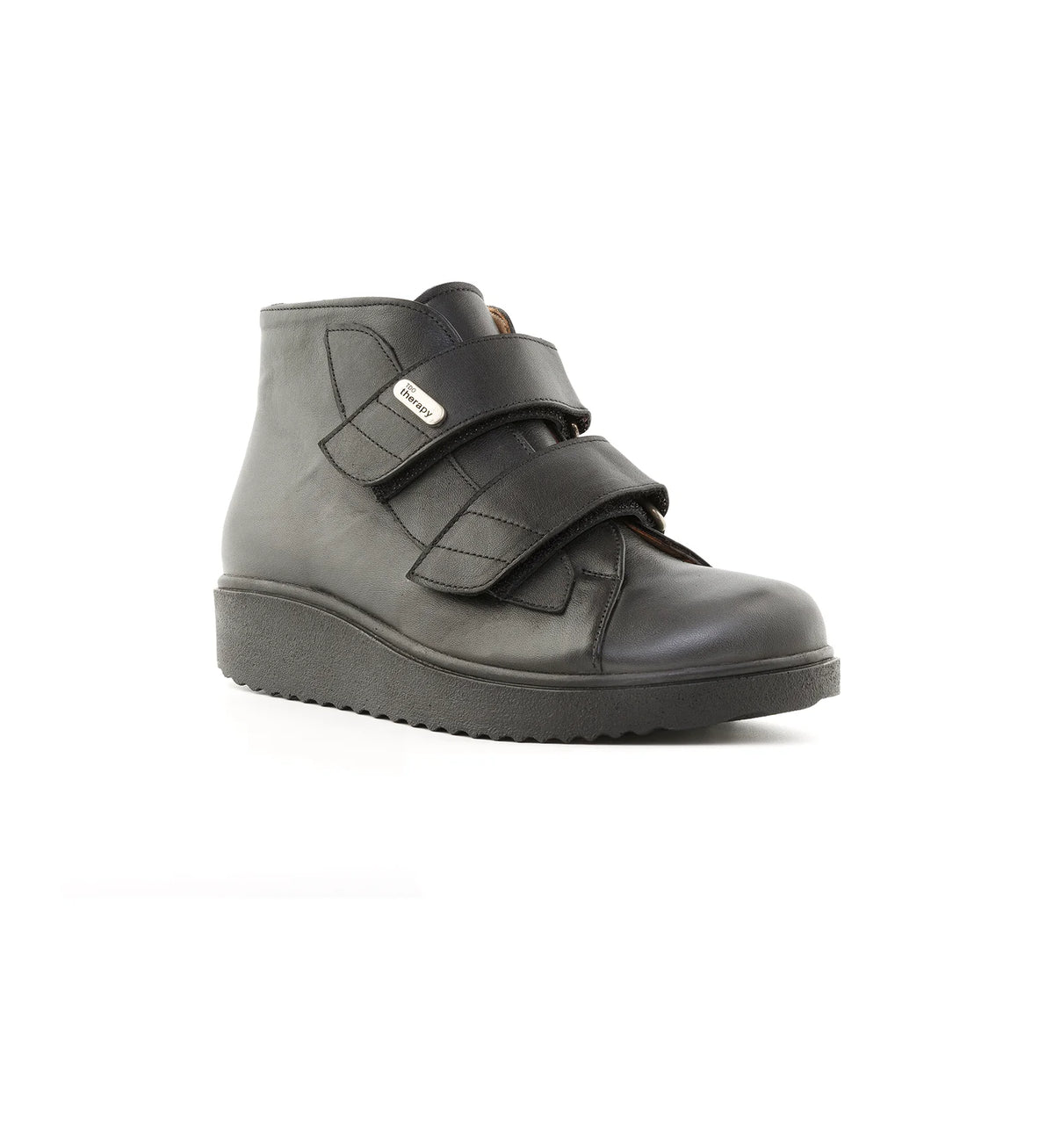
- Velcro straps
- multiple adjustment points
- wide-opening design
This ensures the foot stays in place and reduces unwanted movement inside the shoe.
2. Structured and Stable Sole
A firm, structured sole is essential.
It helps:
- improve balance
- control foot motion
- reduce instability while walking
Shoes that are too soft or flexible can make foot drop worse.
3. Rocker Bottom Sole
Rocker soles can significantly improve walking for people with foot drop.
They:
- help guide the foot forward
- reduce the need to lift the foot excessively
- improve walking efficiency
This makes each step smoother and more controlled.
4. Extra Depth and Toe Clearance
Foot drop is often associated with braces or orthotics (AFOs).
Shoes should provide:
- enough depth for inserts
- space to avoid toe pressure
- flexibility for different foot shapes
5. Lightweight but Supportive Design
Heavy shoes can increase fatigue.
A good balance is:
- lightweight construction
- strong structural support
This helps maintain comfort without sacrificing stability.
Can You Wear Regular Shoes with Foot Drop?
In most cases, standard shoes are not suitable.
Many everyday shoes:
- lack structure
- do not hold the foot securely
- do not accommodate orthotics
This can increase instability and reduce walking confidence.
Foot Drop and Balance: Why Stability Is Critical
Foot drop often affects balance.
Without proper support:
- walking becomes unpredictable
- the risk of falls increases
- fatigue builds up faster
Supportive footwear helps create a more stable base for movement.
Common Mistakes When Choosing Shoes for Foot Drop
Avoid these common errors:
- choosing soft or flexible shoes
- prioritising style over structure
- ignoring the need for proper fastening
- wearing shoes that are too shallow
These choices can worsen instability rather than improve it.
The TDO Therapy Approach
At TDO Therapy, footwear is designed to support complex foot conditions like foot drop.
Our shoes include:
- structured orthopaedic design for stability
- rocker bottom soles for smoother walking
- extra depth fitting for AFOs and orthotics
- secure Velcro fastening for adjustability
- seam-free interiors to reduce irritation
This combination provides both safety and comfort for everyday use.
FAQ
What type of shoes are best for foot drop?
Shoes with strong structure, secure fastening, and rocker soles are typically most effective.
Do I need special shoes for foot drop?
In most cases, yes. Standard shoes often do not provide enough support or stability.
Can shoes improve walking with foot drop?
Yes. Proper footwear can make walking smoother, safer, and more efficient.
Are rocker sole shoes good for foot drop?
Yes. They help guide movement and reduce the effort needed to walk.
Final Thoughts
Foot drop can significantly affect mobility, but the right footwear can make a noticeable difference.
Choosing shoes with proper structure, depth, and support can improve stability, reduce risk, and help you move more confidently in everyday life.