
Introduction
Many people assume that if they have worn the same shoe size for years, they can continue wearing the same type of footwear indefinitely.
However, while shoe size may remain relatively similar, the feet themselves often change significantly as we age.
After the age of 60, changes in muscles, joints, circulation, balance, and foot structure can affect both comfort and mobility. Footwear that once felt perfectly comfortable may no longer provide the support, stability, or protection needed for everyday walking.
This does not mean older adults need bulky or unattractive shoes. It simply means footwear needs to work harder to support changing needs.
Understanding these changes can help improve comfort, reduce the risk of falls, and encourage a more active lifestyle.
How Feet Naturally Change With Age
Ageing affects almost every part of the body, including the feet.
Many changes occur gradually, making them easy to overlook.
Common age-related changes include:
- Reduced muscle strength
- Changes in foot shape
- Loss of natural cushioning
- Reduced flexibility
- Joint stiffness
- Increased swelling
- Changes in circulation
- Reduced balance and stability
Because these changes happen slowly, many people continue wearing footwear that no longer suits their needs.
The Loss of Natural Cushioning
One of the most significant changes after 60 is the gradual thinning of the natural fat pads beneath the feet.
These fat pads help absorb impact during walking.
As they become thinner, people may experience:
- Increased pressure under the heel
- Forefoot discomfort
- Greater sensitivity when walking on hard surfaces
- Earlier fatigue during long periods of standing
This is one reason why supportive footwear becomes increasingly important with age.
Balance Becomes More Important Than Ever
Many older adults focus on comfort when buying shoes.
Comfort matters, but stability becomes equally important.
As balance naturally changes with age, footwear can either support stability or make movement more difficult.
Features that may improve stability include:
- Structured soles
- Secure fastening systems
- Stable heel support
- Proper fit
- Supportive walking platforms
Footwear that is excessively soft or unstable may increase the feeling of imbalance during walking.
Feet Often Become Wider and Deeper
Many people are surprised to learn that feet often change shape over time.
Age-related changes may cause:
- Wider forefeet
- Changes in toe alignment
- Increased swelling
- Higher pressure points
- Reduced flexibility
This often explains why shoes that felt comfortable years ago begin to feel restrictive.
The solution is not always a larger size.
In many cases, wider fitting or extra-depth footwear provides a better answer.
Swelling Becomes More Common
Many adults notice that their feet become larger as the day progresses.
This can be caused by:
- Reduced circulation
- Long periods of standing
- Medical conditions
- Natural ageing processes
Shoes that cannot accommodate these changes may become uncomfortable by the afternoon or evening.
Adjustable footwear and additional internal space can often improve day-long comfort.
Joint Changes Affect Walking Mechanics
The feet contain more than 30 joints that work together during movement.
Over time, joints may become:
- Stiffer
- Less flexible
- More sensitive to pressure
This can affect walking patterns and overall mobility.
Supportive footwear helps improve pressure distribution and may reduce strain during everyday activities.
Why Slippers Are Often Not the Best Option
Many older adults spend significant time at home and choose slippers for comfort.
However, traditional slippers often provide:
- Minimal support
- Poor heel stability
- Limited grip
- Little structure
While they may feel comfortable initially, they do not always provide the stability needed for safe movement around the home.
Supportive indoor footwear can often provide a safer alternative.

The Importance of Proper Fit After 60
A good fit becomes even more important with age.
Footwear should provide:
- Adequate toe room
- Secure heel hold
- Appropriate depth
- Stable support
- Comfortable pressure distribution
Shoes that are too tight can create pressure.
Shoes that are too loose can reduce stability.
The goal is to achieve a balance between comfort and support.
Features to Look for in Footwear After 60
When choosing footwear, older adults should consider features such as:
Supportive Sole Construction
Stable soles help improve walking confidence and reduce excessive foot movement.
Adjustable Fastening
Velcro straps, laces, and adjustable closures help accommodate changes in foot shape and swelling.
Extra Depth
Additional internal space improves comfort and allows better accommodation for orthotics when required.
Seam-Free Interiors
Reduced friction can help protect sensitive skin.
Lightweight Construction
Lighter footwear may reduce fatigue during longer periods of walking.
Non-Slip Outsoles
Reliable grip helps improve safety on a variety of surfaces.
Staying Active Starts With Your Feet
Remaining active is one of the most important aspects of healthy ageing.
Walking supports:
- Cardiovascular health
- Joint mobility
- Independence
- Mental wellbeing
- Overall quality of life
Comfortable, supportive footwear can make it easier to stay active and maintain confidence in everyday movement.
The TDO Therapy Approach
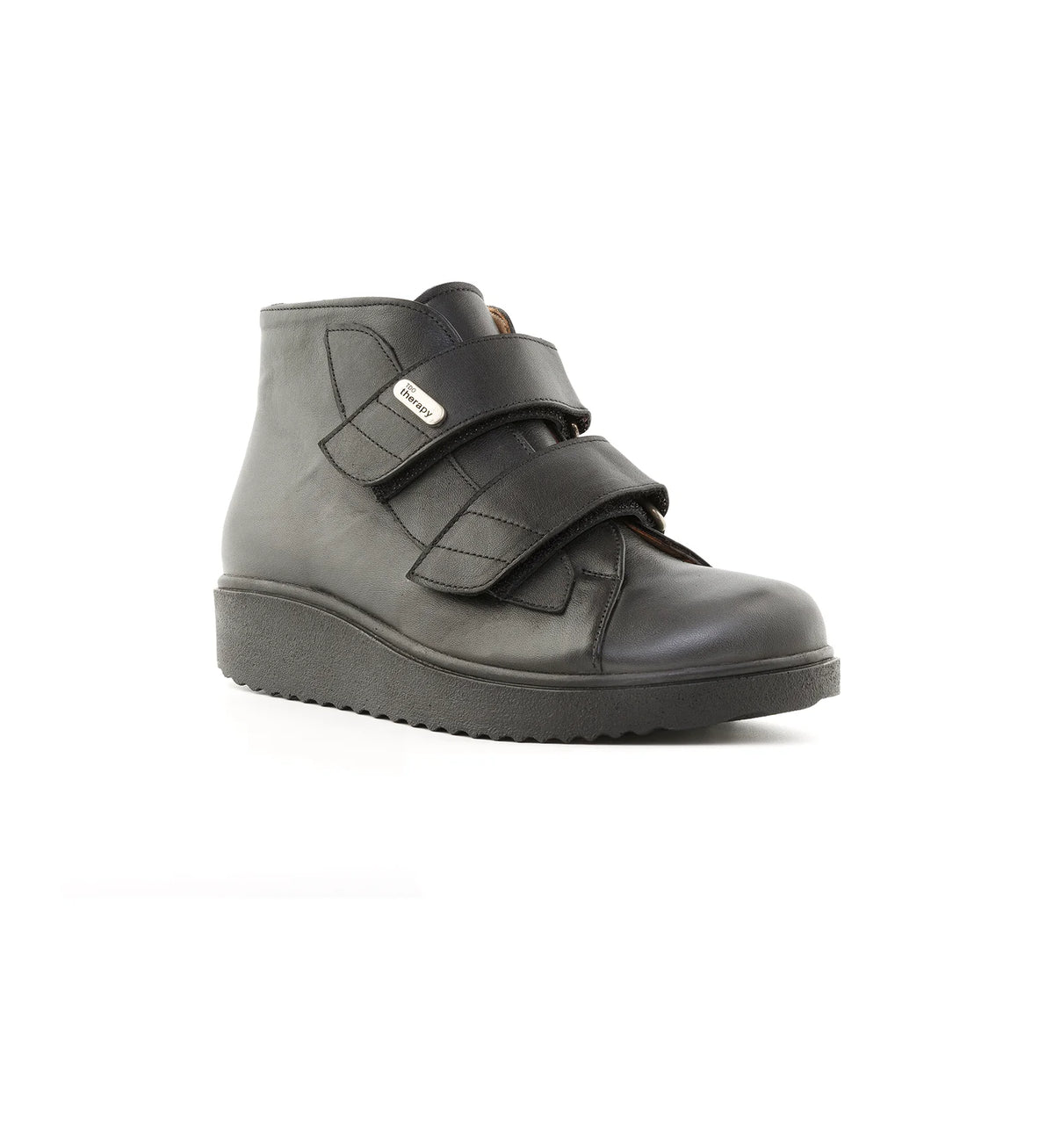
At TDO Therapy, footwear is designed to support the changing needs of ageing feet.
Our footwear may include:
- Supportive sole construction
- Rocker bottom technology
- Extra depth fitting options
- Wider fitting choices
- Seam-free interiors
- Soft natural leather uppers
- Adjustable fastening systems
- Removable insoles
The goal is to combine comfort, protection, and stability to support everyday mobility.
FAQ
Why do my feet feel different after the age of 60?
Ageing can affect foot shape, flexibility, circulation, cushioning, and balance, all of which influence comfort and footwear needs.
Should older adults wear wider shoes?
Not always. Some people need additional width, while others benefit more from extra depth or better support.
Why do my feet swell more than they used to?
Age-related changes in circulation and fluid retention can contribute to increased swelling throughout the day.
Are supportive shoes really important after 60?
Yes. Proper footwear can improve comfort, stability, and confidence while helping to support safer movement.
What type of shoes are best for older adults?
Shoes that provide support, stability, proper fit, adjustable fastening, and good grip are often the most suitable choice.
Final Thoughts
The footwear that worked well at 40 may not provide the same benefits at 60, 70, or beyond.
As feet change with age, footwear should adapt too.
Choosing shoes that offer support, stability, comfort, and protection can help maintain confidence, encourage activity, and support healthier movement for years to come.