
Introduction
When you experience pain in your knees, hips, or lower back, your shoes are probably the last thing you think about.
Most people look at posture, exercise, or age — but overlook one of the most important factors:
Your feet are the foundation of your body.
What you wear on your feet directly affects how your entire body moves. The wrong shoes don’t just impact your feet — they can create a chain reaction that leads to discomfort and pain throughout your joints.
In this guide, we’ll explain how shoes can cause knee, hip, and back pain — and what to look for to prevent it.
How Your Feet Affect the Rest of Your Body
Your body works as a connected system.
Every step involves:
- Ground contact
- Weight transfer
- Alignment control
If your feet are not properly supported:
- Your alignment shifts
- Your joints compensate
- Movement becomes inefficient
This is known as the kinetic chain effect — where a problem in one area affects everything above it.

The Role of Foot Alignment
Your feet determine how your body aligns when walking.
When shoes lack support:
- Your foot may roll inward (overpronation)
- Or roll outward (supination)
This misalignment changes how force travels through your legs — increasing stress on your joints.
How Poor Footwear Leads to Knee Pain
Your knees are highly sensitive to alignment changes.
When your feet are unstable:
- Your knees twist slightly with each step
- Pressure becomes uneven
- Strain builds over time
This can result in:
- Knee discomfort when walking
- Pain when standing for long periods
- Increased wear on joint structures
How It Affects Your Hips
Your hips help stabilise your body during movement.
If your feet are not supported:
- Your gait becomes uneven
- Your hips compensate to maintain balance
- Muscle fatigue increases
Over time, this can lead to:
- Hip tightness
- Reduced mobility
- Discomfort during daily activities
Why Your Lower Back Is Impacted
Your lower back is the final point in the chain.
When your feet and legs are misaligned:
- Your posture changes
- Your spine compensates
- Pressure builds in the lower back
This often leads to:
- Persistent lower back pain
- Stiffness after standing or walking
- Reduced overall comfort
The Problem with Soft and Unsupportive Shoes
Shoes that prioritise comfort without structure often:
- Lack stability
- Allow excessive foot movement
- Fail to guide proper alignment
This means:
- Your body works harder to stabilise itself
- Your joints absorb more stress
- Fatigue increases more quickly
Soft does not always mean safe.

The Importance of Proper Foot Support
Supportive footwear helps:
- Maintain correct alignment
- Stabilise your foot during movement
- Distribute pressure evenly
- Reduce strain on joints
Key features to look for:
- ✔ Structured sole unit
- ✔ Stable heel support
- ✔ Controlled flexibility
- ✔ Proper depth and fit
- ✔ Secure fastening
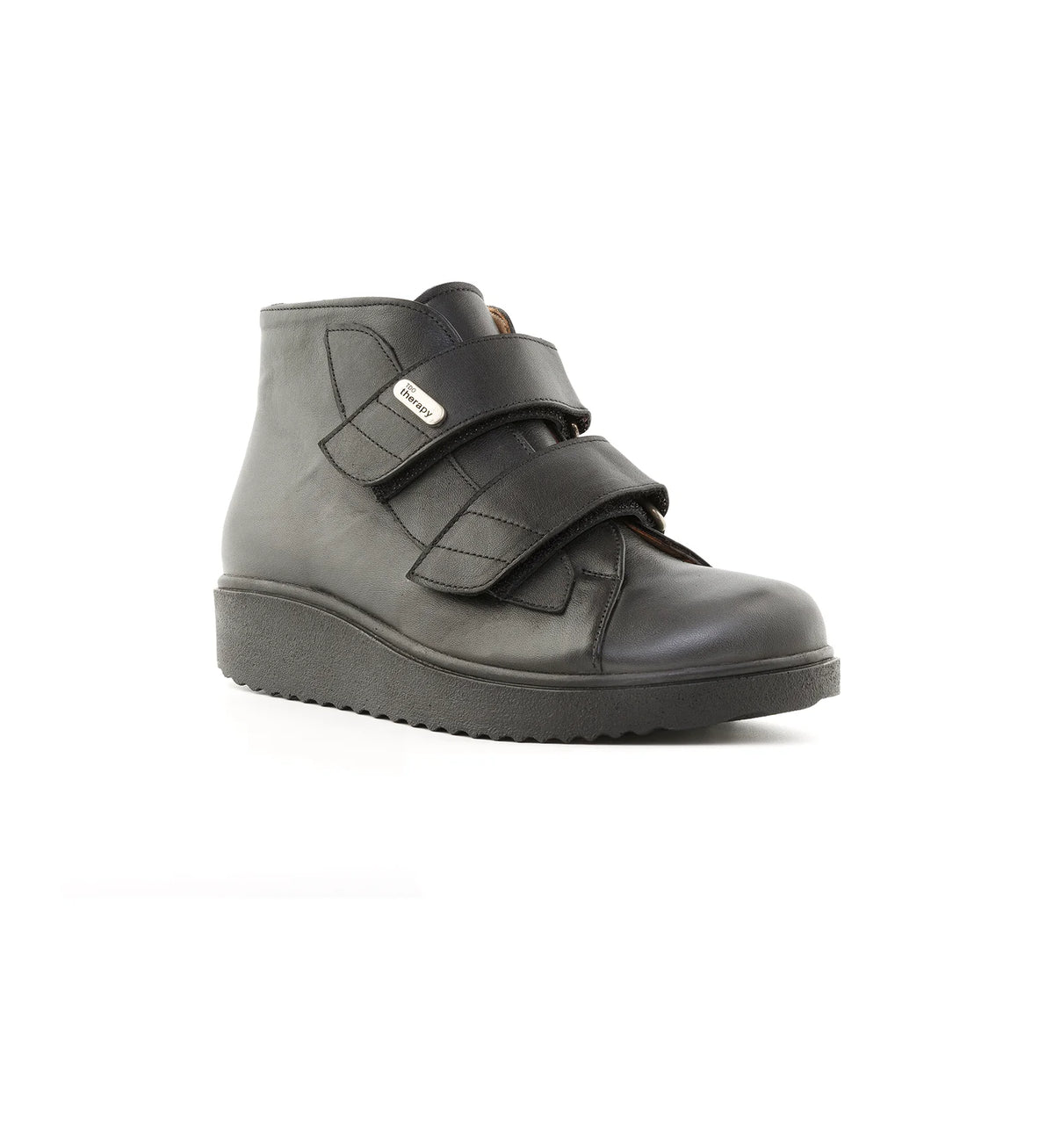
How TDO Therapy Shoes Help Reduce Joint Pain
At TDO Therapy, footwear is designed with full-body impact in mind.
Our shoes include:
- Rocker bottom soles to promote smoother walking and reduce joint stress
- Structured orthopaedic design for better alignment
- Extra depth fitting for improved positioning and comfort
- 3-layer protection system for cushioning with stability
- Seam-free interiors to minimise irritation
This combination helps reduce strain not just on your feet — but across your entire body.
Signs Your Shoes May Be Causing Pain
You might not immediately link your shoes to joint pain, but common signs include:
- Pain after walking or standing
- Discomfort that improves when changing shoes
- Feeling unstable or unbalanced
- Uneven wear on your shoe soles
FAQ
Can shoes really cause knee and back pain?
Yes. Poor footwear can affect alignment, leading to stress on joints and resulting in pain.
What type of shoes should I avoid?
Very soft, flat, or unsupportive shoes that lack structure and stability.
Can changing shoes reduce joint pain?
In many cases, yes. Properly supportive footwear can significantly improve alignment and reduce strain.
Who is most at risk?
Older adults, people with foot conditions, and anyone who spends long hours standing or walking.
Final Thoughts
Your shoes are not just about comfort — they are a key part of how your body functions.
Wearing the wrong footwear can gradually lead to pain in your knees, hips, and back — often without you realising the cause.
The right shoes don’t just support your feet.
They support your entire body.