
Introduction
When choosing shoes, most people look at the obvious features.
They ask questions like:
- Are they comfortable?
- Are they wide enough?
- Are they soft?
- Do they have enough cushioning?
Very few people ask another equally important question:
How stable is the heel?
Yet heel stability plays a major role in how supportive footwear feels and performs during everyday walking.
Every step we take begins with the heel contacting the ground. If the heel is not properly supported, movement further up the body can become less efficient and less stable.
This is why heel stability is one of the most overlooked—but most important—features in supportive footwear.
Why the Heel Matters During Walking
Walking may feel simple, but it is a highly coordinated movement.
For most people, each step begins with heel contact.
The heel helps:
- absorb initial impact
- guide foot movement
- provide a stable base for weight transfer
- contribute to balance during walking
A stable heel creates a more controlled platform for movement.
An unstable heel can allow excessive motion and reduce walking efficiency.
What Is Heel Stability?
Heel stability refers to how securely the rear part of the foot is supported inside the shoe.
A stable heel should:
- feel secure without being restrictive
- minimise unnecessary movement
- help maintain alignment during walking
- support smooth weight transfer
It is not about making the shoe rigid or uncomfortable.
It is about creating controlled support.
Signs That Heel Stability May Be Poor
Many people experience symptoms without realising heel support is the issue.
Common signs include:
- the heel slipping inside the shoe
- feeling unstable while walking
- the foot rolling excessively
- needing to grip with the toes while walking
- increased fatigue during longer walks
- reduced confidence on uneven surfaces
These symptoms often lead people to blame cushioning or shoe size when the underlying issue may be inadequate heel stability.
Why Heel Stability Matters More as We Age
As we age, natural changes occur in:
- balance
- muscle strength
- joint flexibility
- walking confidence
These changes often make stable footwear even more important.
Supportive heel construction can help:
- improve walking confidence
- reduce feelings of instability
- provide a more secure walking experience
- encourage more comfortable movement throughout the day
For many older adults, proper heel support can make a noticeable difference.
The Connection Between Heel Stability and Fatigue
Walking efficiently requires controlled movement.
When the heel moves excessively inside a shoe, the body often works harder to compensate.
This may contribute to:
- tired feet
- leg fatigue
- reduced walking comfort
- increased effort during longer periods of standing
Many people are surprised to discover that improving heel stability can make walking feel easier and less tiring.

Heel Stability and Balance
Balance involves much more than simply standing upright.
It depends on how the body responds to movement.
A secure heel can help provide:
- improved foot positioning
- more predictable movement patterns
- greater confidence during walking
- better control when changing direction
This can be particularly important for:
- older adults
- people with balance concerns
- individuals recovering from injury
- people who feel unsteady while walking
Why Soft Shoes Are Not Always Better
Many shoes prioritise softness.
Softness can feel comfortable initially, but excessive softness may sometimes reduce stability.
If the rear of the shoe lacks support, the heel may move more than intended.
This can reduce:
- walking efficiency
- stability
- overall support
Comfort and support should work together rather than compete with one another.

Features That Can Improve Heel Stability
When choosing supportive footwear, look for features such as:
Structured Heel Construction
A supportive heel area helps control unnecessary movement.
Secure Fastening Systems
Velcro straps and lace systems help hold the foot more securely.
Stable Sole Construction
Supportive soles work together with heel stability to improve walking confidence.
Proper Fit
A shoe that is too large can increase heel movement and reduce stability.
Supportive Walking Platform
A stable base can help improve comfort and confidence during everyday movement.
Who Benefits Most from Good Heel Stability?
Proper heel support can be especially beneficial for:
- older adults
- people with diabetes
- individuals with neuropathy
- people with swollen feet
- orthotic users
- those experiencing balance concerns
- people who spend long hours standing or walking
For these individuals, stability often matters just as much as comfort.
The TDO Therapy Approach
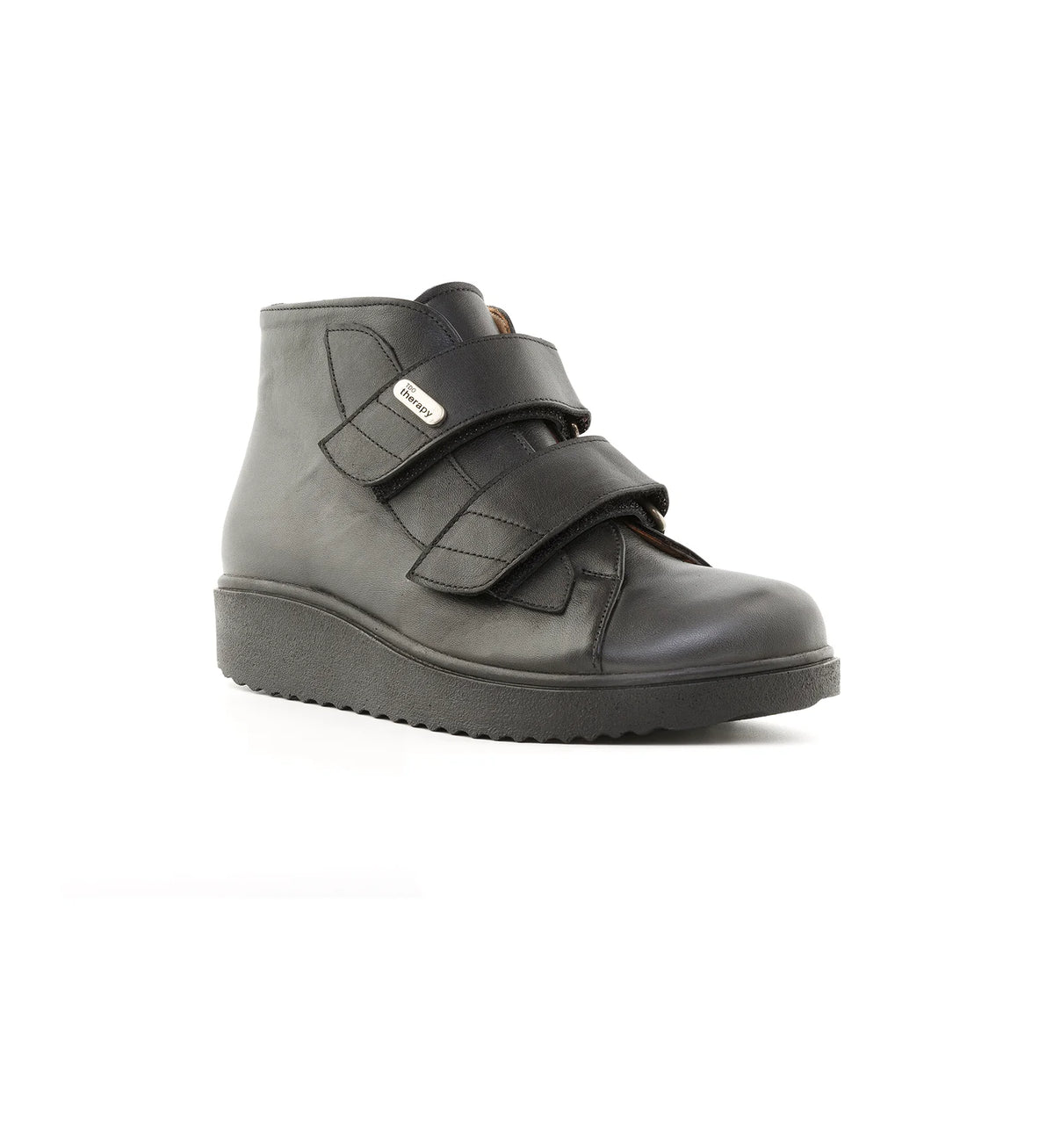
At TDO Therapy, supportive footwear is designed to combine comfort with stability.
Our footwear may include:
- supportive heel construction
- stable sole units
- rocker bottom technology
- extra depth fitting options
- wider fitting choices
- adjustable fastening systems
- seam-free interiors
- soft natural leather uppers
The goal is not simply to make shoes feel comfortable for a few minutes but to support more confident and comfortable walking throughout the day.
FAQ
What is heel stability in footwear?
Heel stability refers to how securely the rear part of the foot is supported inside the shoe during walking.
Why is heel stability important?
It helps improve support, walking efficiency, and confidence while reducing unnecessary movement.
Can poor heel stability cause fatigue?
Yes. Excessive movement can require the body to work harder during walking, contributing to fatigue.
Are soft shoes always supportive?
No. Some very soft shoes may feel comfortable initially but provide limited stability.
Is heel stability important for older adults?
Yes. As balance and walking mechanics naturally change with age, supportive heel construction often becomes increasingly important.
Final Thoughts
When people think about supportive footwear, they often focus on cushioning, width, or softness.
However, one of the most important features is often hidden in plain sight.
Heel stability helps create a secure foundation for walking, supports balance, and contributes to more comfortable movement throughout the day.
Choosing footwear with proper heel support may be one of the simplest ways to improve comfort, confidence, and long-term mobility.