
As we age, circulation naturally becomes less efficient. Blood flow slows, veins work harder, and the feet — being the farthest point from the heart — are often the first to show signs of poor circulation. Cold toes, swelling, numbness, fatigue, and skin changes become more common.
But one of the simplest, most effective ways to support healthy circulation during ageing is something we rely on daily: proper footwear. Orthopedic shoes play a crucial role in maintaining circulation because they are engineered not only for comfort, but for promoting healthy blood flow, reducing pressure, and supporting natural movement.
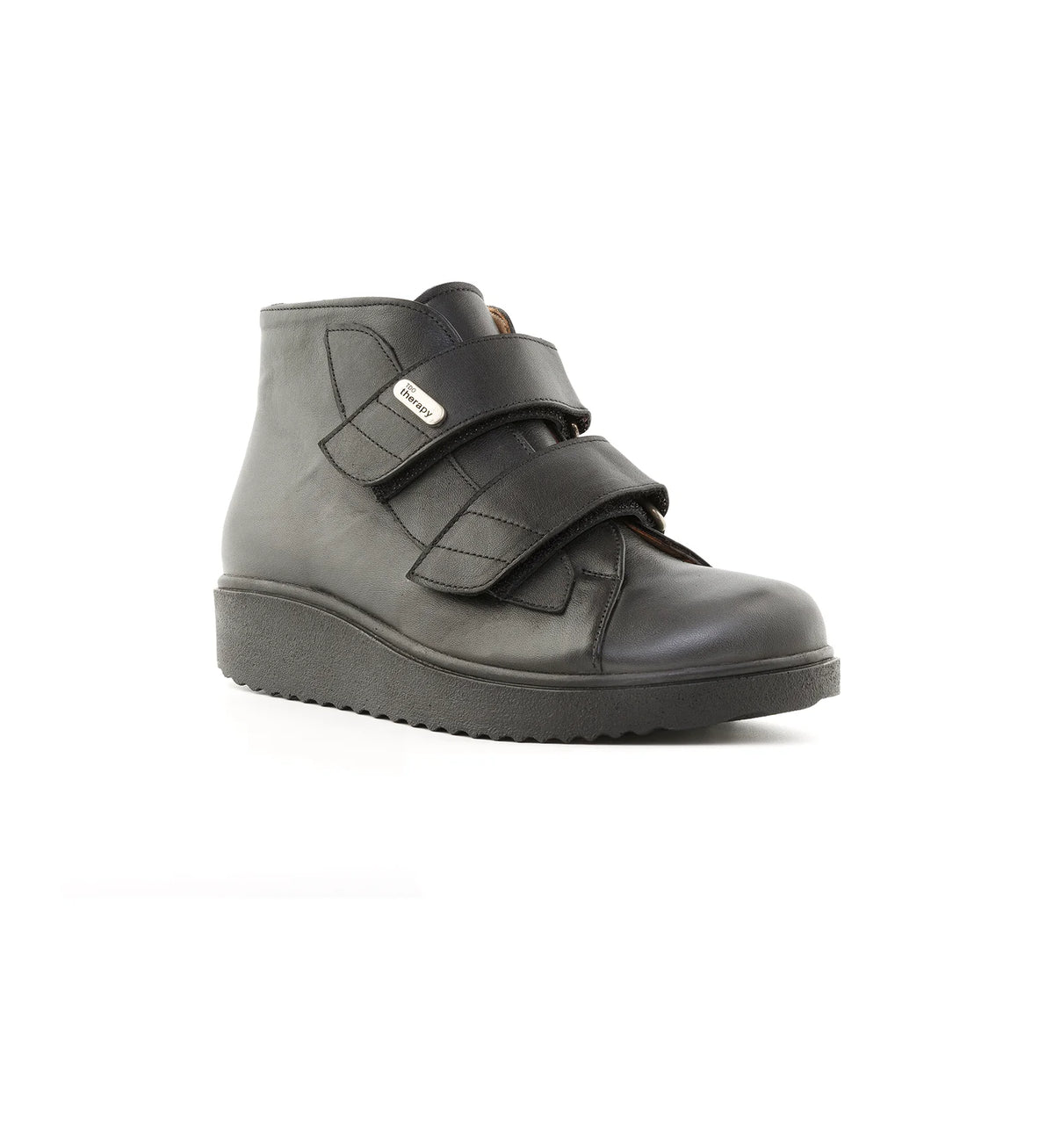
At TDO Therapy, every orthopedic shoe is designed with circulation in mind — from supportive rocker soles to wide fittings, breathable leather, seamless linings, and shock-absorbing structures. These features help ageing feet move more efficiently, stay comfortable longer, and avoid circulation-related complications.
This guide explains how circulation changes with age, why it matters, and how orthopedic footwear helps protect foot health at every stage of life.
Why Circulation Declines With Age
As the body ages, several natural changes affect how blood moves through the legs and feet.
1. Veins Lose Strength and Elasticity
Veins return blood back to the heart, but with ageing, they become less efficient. This causes:
-
Slower blood return
-
Fluid accumulation
-
Swelling (edema)
-
Tired, heavy legs
The feet often feel the heaviest burden.
2. Reduced Muscle Activity
Muscles play a key role in pumping blood upward. Lower activity levels or stiff joints make this pump less effective.
3. Narrowed or Stiffened Arteries
Circulation slows when arteries are less flexible or narrowed due to ageing or underlying conditions.
4. Nerve Changes
Neuropathy or age-related nerve decline can reduce feedback, altering gait and leading to pressure issues that affect circulation.
5. Foot Deformities Develop Over Time
Bunions, hammertoes, flat feet, and arthritis become more common with age — and all can affect blood flow due to pressure and misalignment.
Orthopedic shoes are designed to counter these challenges.
How Orthopedic Shoes Help Improve Circulation
Healthy circulation starts from the ground up. Here’s how orthopedic shoes support better blood flow in older adults.
1. They Reduce Pressure and Encourage Natural Blood Flow
Tight or narrow shoes restrict circulation by compressing blood vessels.
Orthopedic shoes prevent this by offering:
-
Wide toe boxes
-
Extra depth
-
Soft calf leather uppers
-
Adaptive memory foam
This prevents pinching and allows blood to travel freely.
2. Rocker Bottom Soles Promote Smoother Movement
Walking is one of the most effective ways to boost circulation.
Rocker soles improve the walking cycle by:
-
Reducing joint strain
-
Supporting heel-to-toe motion
-
Helping the foot “roll” naturally
-
Encouraging continuous movement
This supports the calf muscle pump — a key component for healthy circulation.
3. Shock Absorption Reduces Vascular Stress
When the feet hit the ground too hard, the impact travels up the leg and can cause inflammation.
Orthopedic shoes use:
-
Memory foam cushioning
-
Shock-absorbing midsoles
-
Stabilising structures
These reduce stress on vessels and soft tissues.
4. Seamless Linings Protect Fragile Skin
Older adults often have thinning skin that is more prone to:
-
Rubbing
-
Redness
-
Cracking
-
Pressure wounds
Seamless interiors prevent friction and reduce the risk of skin breaks that can compromise circulation.
5. Breathable Materials Prevent Moisture and Heat Build-Up
Excess heat and sweat constrict blood vessels and reduce circulation.
Temperature-regulating materials keep the feet:
-
Cooler
-
Drier
-
More comfortable
Natural calf leather is especially effective at maintaining a healthy foot climate.
6. Proper Foot Alignment Improves Blood Flow
Misalignment causes inefficient gait and pressure imbalances.
Orthopedic footwear corrects this through:
-
Supportive footbeds
-
Reinforced midfoot stability
-
Secure heel counters
-
Anatomically shaped lasts
Balanced alignment improves both biomechanics and circulation.
7. Extra-Spacious Designs Help With Swelling
Swelling is extremely common with age.
Orthopedic shoes accommodate swelling with:
-
Wide fittings
-
Extra depth
-
Adjustable Velcro straps
-
Soft stretchable materials
This prevents constriction and allows feet to expand comfortably throughout the day.

Conditions Related to Poor Circulation That Benefit from Orthopedic Shoes
Orthopedic footwear is especially important for older adults with:
-
Diabetes
-
Neuropathy
-
Chronic swelling (edema)
-
Varicose veins
-
Peripheral arterial disease (PAD)
-
Arthritis
-
Bunions or hammertoes
-
Cold feet or Raynaud’s symptoms
-
Foot fatigue
-
Plantar fasciitis
The right shoes prevent complications and help improve circulation through daily walking.
Signs You May Need Orthopedic Shoes for Better Circulation
You may benefit from circulation-supportive footwear if you experience:
-
Cold or numb toes
-
Swelling around the ankles or feet
-
Tingling or burning sensations
-
Purple or red patches
-
Feeling of “heavy” legs
-
Slow-healing skin
-
Frequent cramping
-
Fatigue during short walks
-
Foot pain that limits movement
Orthopedic shoes can dramatically improve comfort and mobility in these cases.
How TDO Therapy Shoes Support Circulation During Ageing
Every TDO Therapy shoe is built with circulation-focused features:
✔ Wide and extra-deep fittings
Prevent pressure and allow swelling.
✔ Natural calf leather
Breathable and temperature-regulating.
✔ Seamless linings
Protect delicate skin from friction.
✔ Lightweight rocker soles
Promote natural gait and reduce strain.
✔ Memory foam cushioning
Enhances comfort and reduces impact.
✔ Shock-absorbing midsoles
Protect soft tissues and blood vessels.
✔ Supportive structure
Improves alignment for smoother movement.
Together, these features support circulation from the moment you put the shoes on.
Daily Habits to Improve Circulation Alongside Orthopedic Footwear
Orthopedic shoes provide the foundation, but these daily habits strengthen the effect:
✔ Walk regularly (even short walks help)
✔ Keep feet elevated when resting
✔ Drink enough water
✔ Avoid sitting for long periods
✔ Wear breathable socks
✔ Stretch your calves and ankles
✔ Check your feet daily (especially with diabetes)
Combined with proper footwear, these practices greatly improve overall blood flow.
Frequently Asked Questions
Do orthopedic shoes really help circulation?
Yes — by improving alignment, reducing pressure, and assisting movement, they support healthier blood flow.
Are rocker soles good for older adults?
Absolutely. They reduce effort and improve the walking cycle, which boosts circulation.
Can tight shoes cause circulation problems?
Yes — they restrict blood flow and worsen swelling.
Should older adults wear orthopedic shoes daily?
Yes. Consistent use helps maintain comfort, circulation, and mobility.
Do TDO Therapy shoes support circulation?
Yes — every pair is engineered to improve foot health and movement efficiency.
Final Thoughts
Healthy circulation becomes more important — and more challenging — as we age. The right orthopedic footwear helps keep blood flowing smoothly, reduces strain on the feet and legs, and allows older adults to move with confidence and comfort.
By combining supportive soles, breathable materials, spacious designs, and medical-grade interior structures, TDO Therapy shoes offer a powerful tool for supporting circulation through daily activities.
Because better circulation isn’t just about comfort — it’s about mobility, independence, and long-term foot health.