
Good posture is more than just standing up straight — it affects how we walk, how we move, how we breathe, and even how much energy we have throughout the day. Yet many people struggle with poor posture without realising that the root cause often begins at the feet.
Your feet are the foundation of your entire body. When they don’t have proper support, the rest of your body compensates — sometimes subtly, sometimes dramatically. Over time, these compensations lead to misalignment in the knees, hips, pelvis, and spine, contributing to pain, fatigue, and mobility issues.
Orthopedic shoes are uniquely designed to correct these imbalances and support posture improvement gradually and naturally. They guide the body back into alignment, help distribute weight evenly, and stabilise your movements step by step.
This guide explains how orthopedic shoes help correct posture over time, how long-term wear can influence the whole body, and why choosing supportive footwear is one of the simplest ways to improve daily comfort and health.
Why Poor Posture Often Starts at the Feet
Posture problems don’t always begin with the spine. Often, they start with foot mechanics — how the foot supports your body and absorbs impact.
1. Collapsed Arches Cause the Body to Fall Out of Alignment
When arches drop (flat feet), the ankle rolls inward, causing:
-
Knee rotation
-
Hip shifting
-
Pelvis misalignment
-
Lower back strain
This chain reaction affects your entire posture.
2. High Arches Create Instability
High arches reduce shock absorption and lead to:
-
Uneven weight distribution
-
Balance issues
-
Tight calves and hamstrings
-
Upper body compensation
Proper footwear helps stabilise these imbalances.
3. Poor Footwear Forces the Body Into Poor Positions
Shoes that are too narrow, too flat, or unsupportive cause the body to adopt unhealthy movement patterns. Over time, this contributes to posture problems such as:
-
Rounded shoulders
-
Forward head posture
-
Tilted pelvis
-
Compressed lower spine
4. Pain in the Feet Causes Compensatory Postures
When the feet hurt, the body instinctively shifts weight to avoid pain. This often leads to:
-
Leaning forward
-
Overpronation
-
Limping
-
Shortened stride
-
Uneven gait
These behaviours, repeated daily, reshape posture.
How Orthopedic Shoes Help Correct Posture Over Time
Orthopedic footwear provides the structural support necessary for the body to return to and maintain proper alignment.
Here’s how supportive shoes influence posture improvement:
1. They Support the Arches to Align the Whole Body
Proper arch support prevents the ankle from rolling inward or outward. This stabilises the:
-
Knees
-
Hips
-
Pelvis
-
Spine
Correcting foot posture automatically improves overall posture.
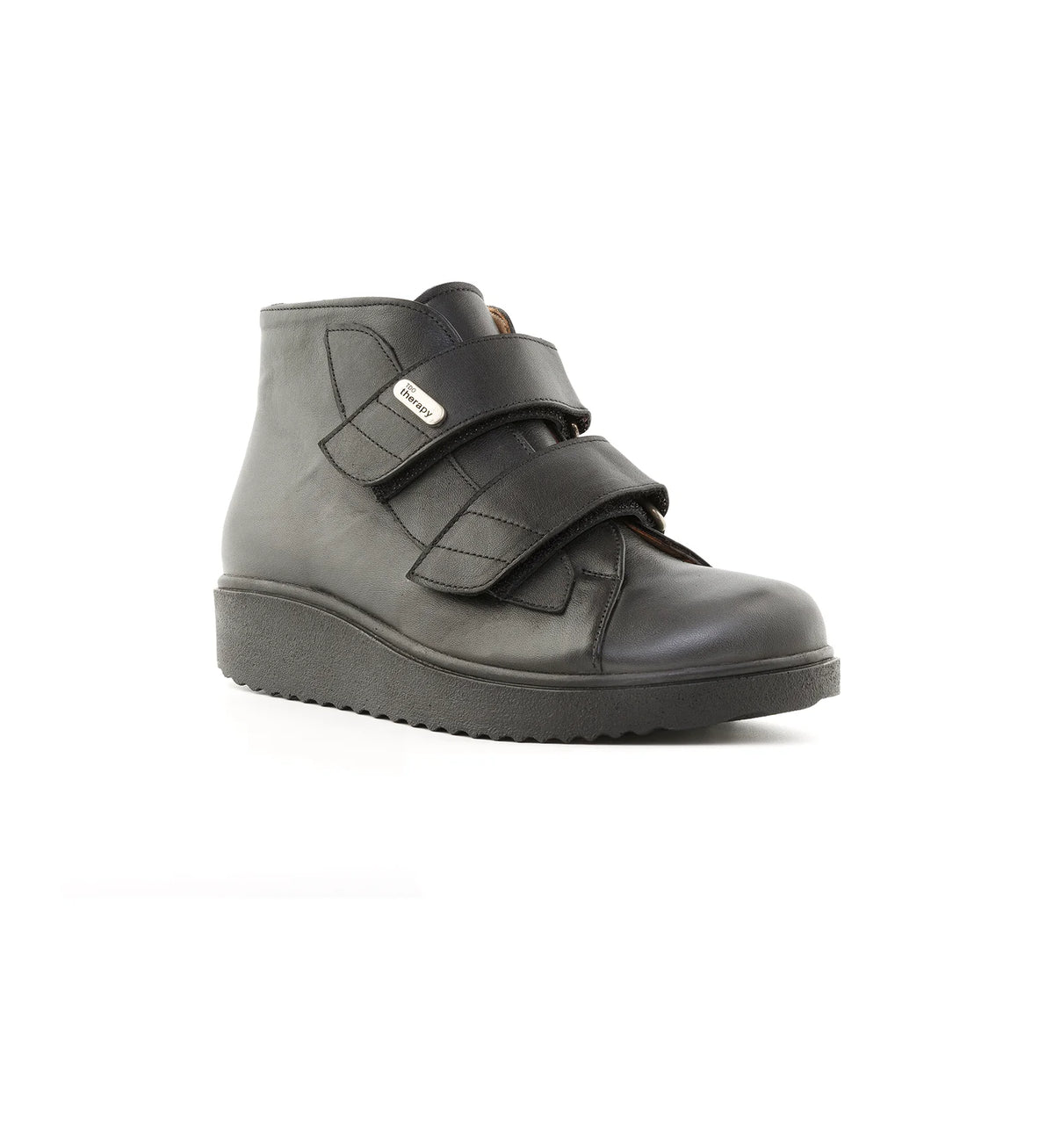
TDO Therapy shoes use orthopedic footbeds and supportive soles to keep the foot in neutral alignment.
2. They Distribute Weight Evenly Across the Foot
Improper footwear creates pressure points that affect balance and gait.
Orthopedic shoes distribute body weight across the entire foot, reducing pressure on:
-
Heels
-
Forefoot
-
Big toe joint
-
Lateral foot edge
With pressure balanced, your body naturally adopts better posture.
3. Rocker Bottom Soles Encourage Natural Forward Motion
Rocker soles improve posture by:
-
Supporting smooth heel-to-toe movement
-
Reducing fatigue in the calves and lower back
-
Minimising bending stress on the forefoot
-
Encouraging an upright walking posture
When movement becomes efficient, posture naturally improves.
4. Stabilising Heel Counters Improve Alignment From the Ground Up
A strong heel counter holds the heel in place and prevents wobbling. This stabilisation:
-
Reduces ankle rolling
-
Improves knee tracking
-
Encourages a neutral hip position
-
Supports a straighter spine
Stable heels = stable posture.
5. Proper Cushioning Reduces Impact on the Spine
Each step sends shockwaves up the legs and into the spine. Orthopedic cushioning:
-
Absorbs impact
-
Protects joints
-
Allows a more upright stride
-
Reduces compression in the lower back
Less impact means less postural compensation.
6. Wide & Deep Designs Allow Natural Toe Spread
Toe alignment influences posture more than most people realise.
A natural toe spread improves:
-
Stability
-
Balance
-
Gait rhythm
This makes it easier to stand upright and walk with confidence.
7. Seamless Interiors Prevent Irritation That Alters Gait
Friction, rubbing, and hotspots cause micro-adjustments in walking behaviour.
Seamless interiors eliminate irritation, allowing your body to move naturally.

Long-Term Posture Correction: How Orthopedic Shoes Work Over Time
Orthopedic footwear isn’t a quick fix — but with consistent wear, posture improvements become noticeable and long-lasting.
Stage 1: Immediate Comfort and Stability
Within days, many users feel:
-
Less foot pain
-
More stable walking
-
Even weight distribution
-
Reduced pressure on joints
Stage 2: Improved Gait Mechanics (Weeks 2–6)
As the body adapts, alignment begins to shift:
-
Knees track more naturally
-
Stride becomes smoother
-
Reduced compensatory movement
-
Less fatigue in hips and lower back
Stage 3: Posture Reinforcement (Months 2–6)
Consistent wearing helps retrain the body:
-
Shoulders sit back more naturally
-
Spine decompresses
-
Less leaning or hip shifting
-
Feet maintain a neutral position
Stage 4: Long-Term Posture Maintenance (6+ Months)
The body adopts healthier posture as the new normal.
Daily activities feel easier, and pain is significantly reduced.
Who Benefits Most From Orthopedic Shoes for Posture?
Orthopedic footwear is especially helpful for individuals with:
-
Flat feet or fallen arches
-
High arches
-
Chronic foot pain
-
Knee or hip discomfort
-
Lower back pain
-
Overpronation or supination
-
Bunions or foot deformities
-
Age-related foot changes
-
Sedentary lifestyle
-
Long hours of standing or walking
Posture affects everyone — so supportive footwear benefits everyone.
How TDO Therapy Shoes Support Posture Correction
Every TDO Therapy shoe is engineered to support natural alignment through:
✔ Rocker bottom soles
✔ Memory foam cushioning
✔ Reinforced heel stability
✔ Natural calf leather uppers
✔ Wide and extra-deep fittings
✔ Seamless, irritation-free interiors
✔ Stable, supportive midfoot structure
✔ Pressure-balancing insoles
These features work together to improve posture gently and effectively over time.
Frequently Asked Questions
Can orthopedic shoes fix posture completely?
They can significantly improve posture by correcting alignment, reducing compensatory movement, and supporting natural gait. Severe structural issues may require additional physiotherapy or orthotics.
How long does it take to see results?
Many users feel immediate relief, but noticeable posture improvements often appear within weeks to months.
Are rocker soles good for posture?
Yes — they promote natural movement and reduce strain on the lower back and hips.
Do orthopedic shoes help with back pain?
Absolutely. Poor foot alignment is a major cause of lower back discomfort.
Are TDO Therapy shoes suitable for everyday posture correction?
Yes. They are designed for daily wear and long-term alignment support.
Final Thoughts
Improving posture doesn’t require complicated routines or intensive therapy. Often, the simplest and most effective solution begins at your feet. Orthopedic shoes support posture correction by aligning the body, stabilising movement, and reducing the pressure and fatigue that lead to compensatory patterns.
With consistent wear, orthopedic footwear helps retrain the body to move in healthier, more efficient ways — reducing pain, improving mobility, and restoring confidence.
At TDO Therapy, our orthopedic shoes are crafted to provide the structural support you need to stand taller, walk more comfortably, and improve posture naturally over time.