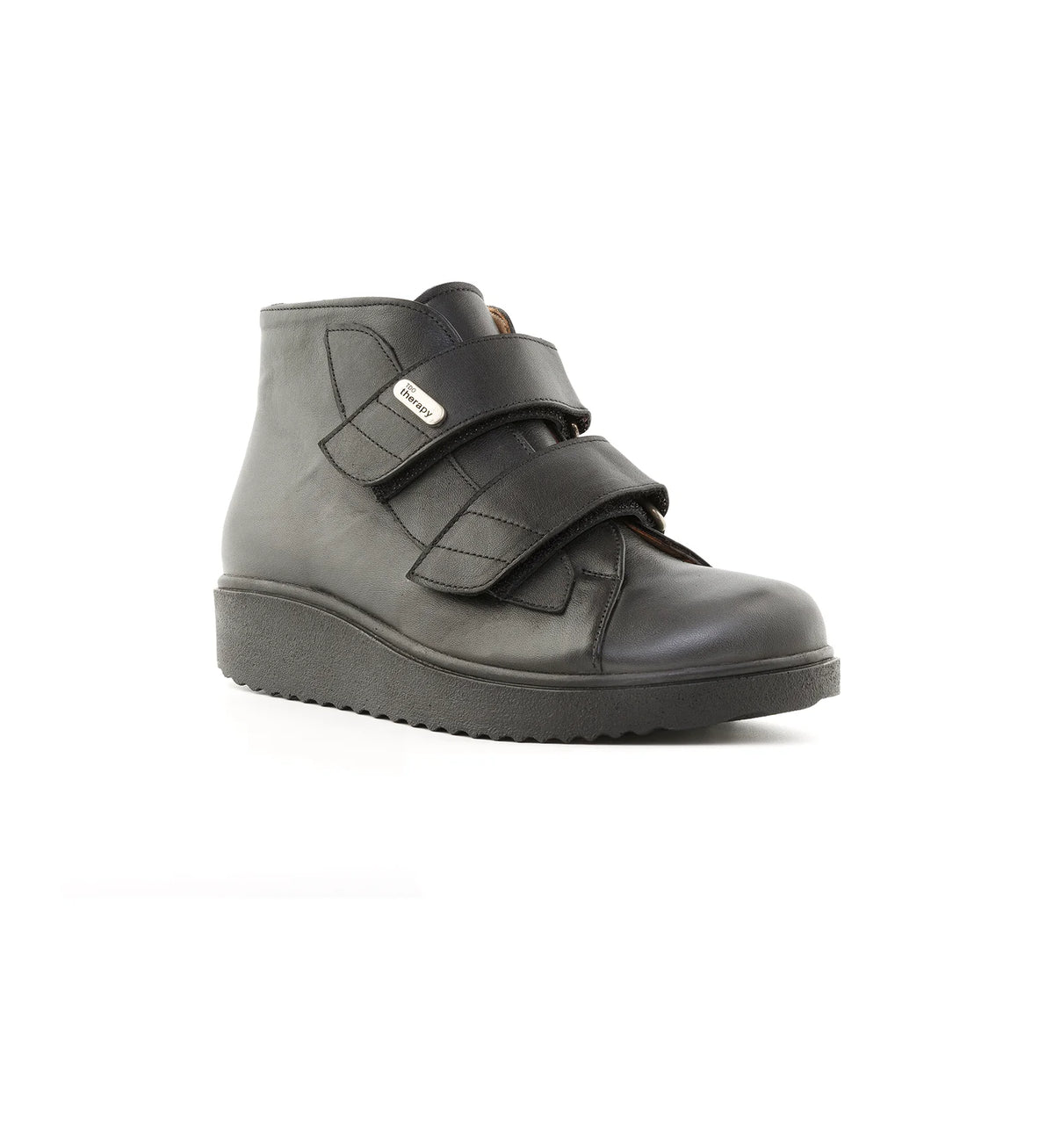

What to look for in shoes for diabetics with swollen feet
If you are searching for shoes for diabetics with swollen feet in the UK, the first priority is fit that can cope with changes in foot volume without becoming tight. Diabetes may also affect sensation, so rubbing or pressure can be harder to notice. Footwear cannot treat diabetes, neuropathy or oedema, but the right construction can give the foot more usable room and make daily fit checks easier.
New, sudden or one-sided swelling, broken skin, heat, redness or a change in foot colour should be assessed by a healthcare professional. If you have been given a diabetic foot-care plan, follow that advice when choosing footwear.
Six features that matter most
1. Extra depth, not width alone
A wider sole does not automatically create more room over the toes or the top of the foot. Extra depth adds internal volume, which can help when swelling changes during the day or when a prescribed insole needs space.
2. Adjustable fastening
Touch-fastening straps or laces let you change the fit more precisely than a fixed slip-on. The shoe should feel secure at the heel without pressing across the swollen area.
3. A broad, foot-shaped toe area
The toes should be able to lie naturally without touching the front or sides. Check the fit while standing, because the foot can spread under load.
4. Smooth contact surfaces
Look for a smooth lining and check inside the shoe for raised seams, creases or debris before wear. Material and lining construction vary by model, so confirm the specification on the individual product page.
5. Removable footbed where needed
A removable footbed can create space for some prescribed insoles, but it does not guarantee that every orthotic or AFO will fit. Device thickness, heel height and the usable volume left inside the shoe all matter.
6. A stable heel and suitable sole
The heel should feel secure and the sole should match your walking needs. Choose the individual model according to fit, stability and the advice you have received rather than relying on one feature across every shoe.
A quick fitting check
- Try shoes with the socks, hosiery or prescribed insole you normally use.
- Shop or fit later in the day if that is when your feet are usually largest.
- Check that there is no pinching across the toes, instep or fastening.
- Walk indoors and make sure the heel feels secure without rubbing.
- Recheck the skin after wear, particularly if sensation is reduced.
- Stop wearing the shoe and seek professional advice if you notice persistent redness, broken skin or a new area of pressure.
Which TDO collection should you use?
Start with shoes for diabetes if diabetes and protective fit are the main concern. If changing volume is the main fitting problem, compare the adjustable, extra-depth options in shoes for swollen feet. Where reduced sensation is also present, the shoes for neuropathy collection explains the relevant fit features.
These collections overlap because one person may have more than one fitting need. The best choice is the individual shoe that gives enough depth, secure fastening and a comfortable internal fit. Use the TDO fitting guide before ordering, and ask your clinician if you use a custom orthotic or have a high-risk foot-care plan.
NHS and professional footwear advice
Some people with diabetes or complex swelling are referred to NHS foot-protection or orthotic services for assessment. Eligibility and the footwear offered depend on clinical need and local arrangements. TDO footwear is supplied to NHS-contracted orthotic providers, but that is not the same as NHS approval or guaranteed availability through the NHS.
Frequently asked questions
Are wide-fit shoes enough for swollen diabetic feet?
Not always. Width helps across the sole, while extra depth creates room over the toes and instep. Adjustable fastening is also useful when foot volume changes.
Can I put my prescribed orthotic in these shoes?
Some models have removable footbeds and additional depth, which can create room. The final fit depends on the orthotic and the space remaining inside the selected shoe, so check both together.
Should I buy a larger shoe size for swelling?
Usually the aim is enough width and depth in the correct length, not simply a longer shoe. A shoe that is too long can allow the foot to slide and rub.
What if swelling changes from morning to evening?
Choose an adjustable fastening and fit the shoe at the time your feet are normally largest. If swelling is new, worsening or unexplained, seek medical advice rather than relying on footwear alone.
The practical next step
Compare the shape, depth and fastening of the individual model, not just the label "diabetic" or "wide fit". A secure shoe with enough usable room is the goal. Browse shoes for diabetes or contact TDO for help comparing models before you order.