
Introduction
When choosing shoes, most people focus on size, width, or cushioning — but one of the most important factors is often overlooked:
The shape of the toe box.
The toe box is the front part of the shoe that surrounds your toes. If this area is too narrow, too shallow, or poorly shaped, it can lead to discomfort, pressure, and long-term foot problems.
In this guide, we’ll explain what toe box shape really means, why it matters, and how it affects your overall foot health.
What Is a Toe Box?
The toe box is the front section of a shoe where your toes sit.
But it’s not just about space — it’s about:
- Width
- Depth
- Shape
A well-designed toe box allows your toes to:
- Sit naturally
- Spread slightly when walking
- Move without restriction
A poorly designed toe box restricts movement and forces your toes into unnatural positions.
Why Toe Box Shape Matters More Than You Think
Your toes play a crucial role in:
- Balance
- Stability
- Push-off during walking
If they are compressed or restricted:
- Your gait changes
- Pressure increases
- Stability decreases
Over time, this can affect not just your feet — but your entire movement pattern.
Common Problems Caused by a Poor Toe Box
Toe Compression
Narrow shoes push toes together unnaturally.
This can lead to:
- Discomfort
- Reduced circulation
- Increased friction
Bunions (Hallux Valgus)
A tight toe box is one of the biggest contributing factors to bunions.
When the big toe is pushed inward:
- Joint alignment changes
- A bony bump develops
- Pain increases over time
Corns and Calluses
Pressure and friction in a tight toe box can cause:
- Thickened skin
- Painful pressure points
- Repeated irritation
Hammer Toes
When toes are forced into a bent position for long periods, they can become permanently deformed.

Toe Box Width vs Toe Box Shape
Many people think choosing a “wide fit” shoe solves the problem — but that’s only part of the story.
A shoe can be wide but still:
- Taper too sharply at the front
- Lack depth
- Restrict toe movement
What really matters is:
- ✔ A rounded or anatomical shape
- ✔ Sufficient depth
- ✔ Even space across all toes
The Importance of Toe Box Depth
Depth is just as important as width.
A shallow toe box can:
- Press down on the toes
- Cause discomfort on the top of the foot
- Increase pressure on nails and joints
This is especially important for:
- Swollen feet (oedema)
- Diabetes
- Foot deformities
A deeper toe box allows the foot to sit naturally without compression.
How Toe Box Shape Affects Walking
During walking, your toes need to:
- Spread slightly for balance
- Engage during push-off
- Adapt to movement
If your toe box restricts this:
- Your stride becomes less efficient
- Pressure shifts incorrectly
- Stability decreases
This can lead to fatigue and discomfort over time.
What to Look for in a Healthy Toe Box
When choosing shoes, look for:
- ✔ Rounded or anatomical toe shape
- ✔ Enough space for toes to move freely
- ✔ Adequate depth (not pressing on top of toes)
- ✔ Soft but structured upper materials
- ✔ No internal seams causing friction
Avoid:
- Pointed designs
- Narrow front profiles
- Flat, shallow toe areas
The TDO Therapy Approach
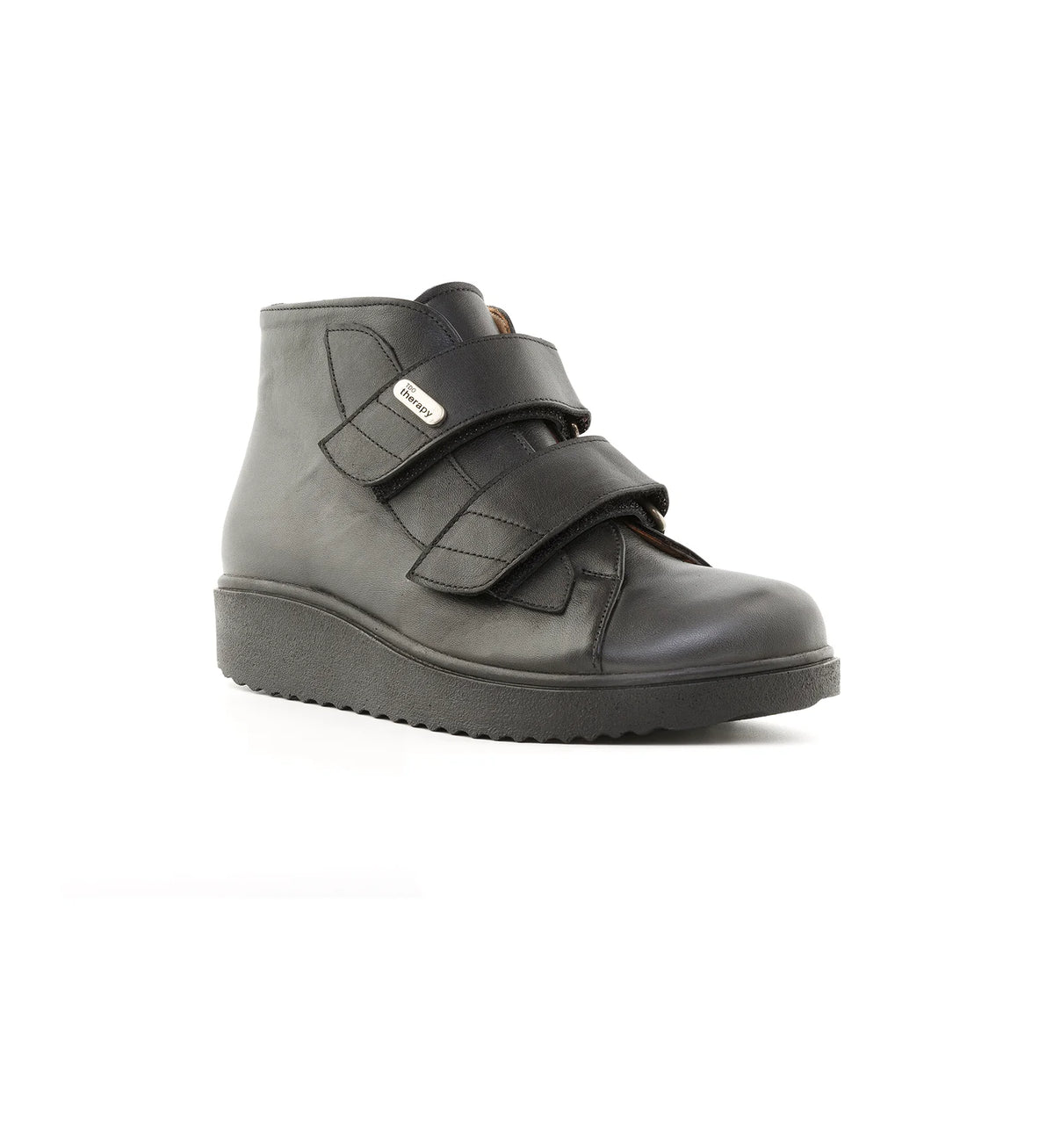
At TDO Therapy, toe box design is a key part of overall foot protection.
Our shoes are developed with:
- Extra depth construction to reduce pressure on toes
- Rounded toe box shapes for natural positioning
- Soft calf leather uppers that adapt without restricting
- Seam-free interiors to minimise friction and irritation
Combined with supportive structure, this ensures your toes are not compressed — but protected and supported throughout the day.
FAQ
What is the ideal toe box shape?
A rounded, anatomical shape that allows your toes to sit naturally and move freely.
Are wide shoes always better for toe space?
Not always. Width helps, but shape and depth are just as important.
Can a bad toe box cause bunions?
Yes. Tight or narrow toe boxes can contribute to bunion development over time.
How much space should be in the toe box?
There should be enough room to wiggle your toes slightly without pressure.
Final Thoughts
The toe box might seem like a small detail — but it has a huge impact on your foot health.
Shoes that restrict your toes can lead to discomfort, deformities, and long-term problems.
On the other hand, a well-designed toe box allows natural movement, improves stability, and reduces pressure.
If you’ve been focusing only on size or cushioning, it may be time to start paying attention to shape and depth as well.
Shoes With a Deeper Toe Box
Toe shape is the part of fitting most often skipped. These styles are cut with room across and above the toes.
- Shoes for Hammer Toes
- Shoes for Bunions
- Ashby – Women's Extra Wide Fit Orthopedic Stretchy Shoes (TDO 616.06.20-W)
- Ashby – Men's Extra Wide Fit Orthopedic Stretchy Shoes (TDO 616.06.20-UNI)
- Nestral – Women's Orthopedic Stretchy Shoes (TDO 117.06-W)
Fittings run from EE to 6E. Made in our own factory since 2005. Fitting advice · Book a free fitting at our Farnham store