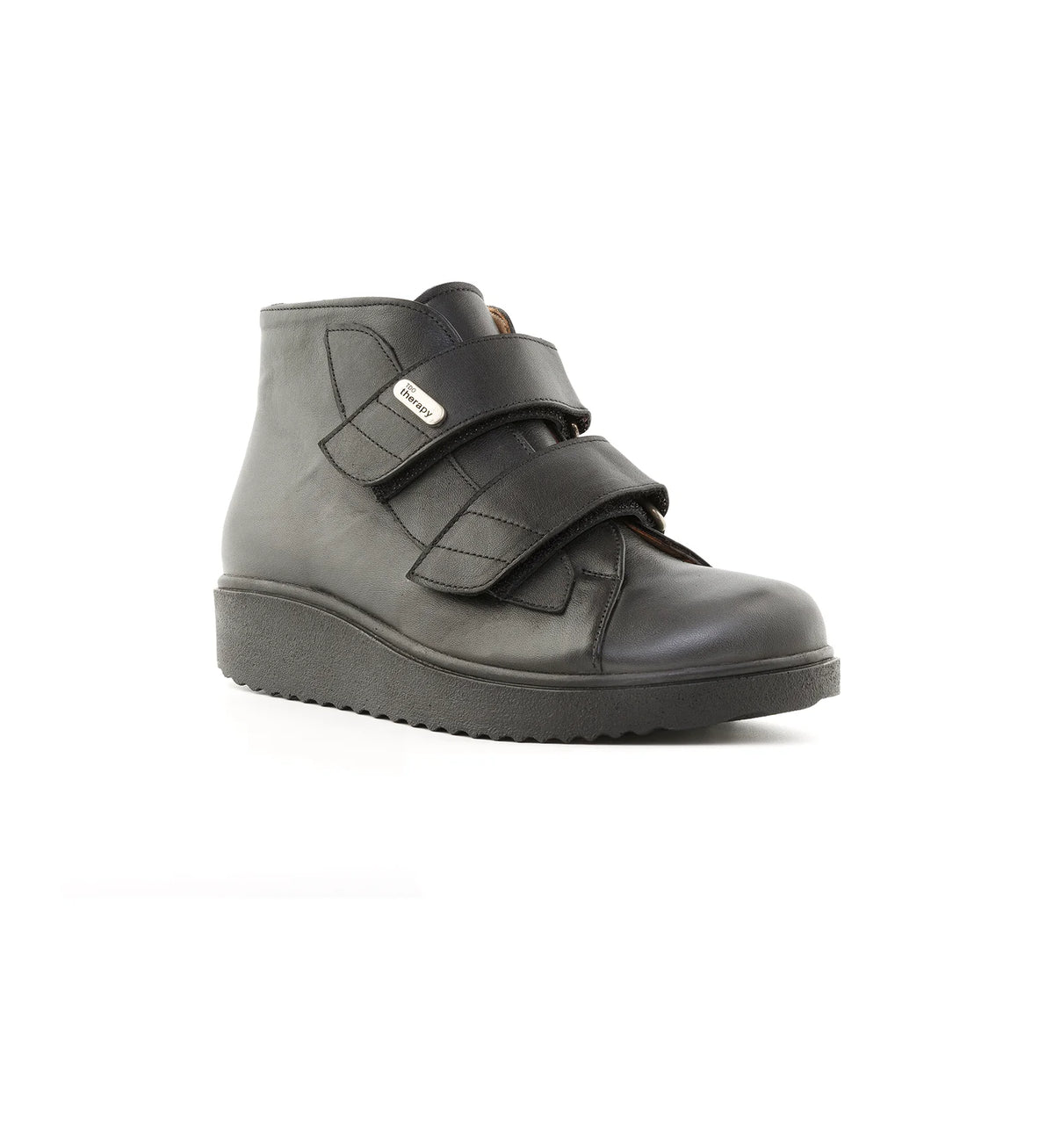

No two feet are the same, and for people with complex foot conditions or specific medical needs, standard shoes often aren’t enough. That’s where bespoke orthopedic shoes come in. Designed and handcrafted to match each individual’s foot shape, these custom shoes provide unmatched comfort, support, and functionality.
In this guide, we’ll explore what bespoke orthopedic shoes are, who needs them, and — just as importantly — how to tell whether you actually need them.
What Are Bespoke Orthopedic Shoes?
Bespoke orthopedic shoes are custom-made footwear designed to:
- Match the exact shape and measurements of your feet
- Provide structured support for foot conditions
- Offer comfort and stability tailored to your lifestyle
- Accommodate feet that standard lasts cannot
Unlike off-the-shelf options, bespoke shoes are built specifically for your feet — from a cast or scan, on a last made for you alone.
Who Benefits from Bespoke Orthopedic Shoes?
- People with severe deformities (e.g., Charcot foot, clubfoot)
- Those with large leg length discrepancy requiring advanced correction
- Individuals with diabetes-related complications needing maximum protection
- Patients recovering from complex foot or ankle surgery
- Anyone unable to find relief in standard orthopedic footwear

Key Features of Bespoke Orthopedic Shoes
Made-to-Measure Fit
Designed around casts or digital scans for total accuracy.
Specialist Support
Built to address biomechanical issues identified during assessment.
Durable Materials
Soft, breathable leathers and cushioned layers to protect sensitive feet.
Functional Design
Adaptable with heel raises, orthotics, or mobility supports.
Aesthetic Options
Available in different styles and finishes, proving specialist shoes don’t have to sacrifice appearance.
Do You Actually Need Bespoke?
This is the question worth asking before anything else, because bespoke footwear is slower to obtain and considerably more expensive.
A great many people who search for made-to-measure shoes are, in fact, well served by ready-made orthopaedic footwear — provided it offers genuine extra depth as well as width, a full range of width fittings, a removable insole for prescribed orthotics, and a sole unit an orthotist can modify. That combination covers a surprisingly wide range of feet.
“I have been using TDO footwear for my patients for over 10 years now. The quality of the leather and stitching is excellent which is especially important for patients with diabetes and insensate feet. The absence of stitching in the toe box, the generous space allowance, removeable insole, stable sole unit with a rocker sole and a range of widths and depths and fastenings are particular features which make them ideal for those who need more than a high street purchased shoe but are not yet in the category of bespoke footwear. The sole unit is also suitable for adding wedges, rockers and raises as needed.”
Lucy Best, Orthotist — Hampshire Orthotics Ltd
That middle ground — more than a high street shoe, not yet bespoke — is where our own range sits. Fittings run from EE through EEE and 4E to 6E with extra depth as well as width, every style has a removable insole so prescribed orthotics can be used, and the sole unit accepts wedges, rockers and raises where an orthotist specifies them.
If a heel raise is what you need, our guide to heel raise shoes for leg length difference explains how external build-ups compare with internal lifts. Otherwise, browse women’s and men’s footwear, or see the Fitting Guide if you are unsure which width you need.
When Bespoke Really Is the Right Answer
None of the above is an argument against bespoke footwear. It is the right answer when the foot cannot be accommodated on any standard last — severe deformity, a very large discrepancy, or a shape that simply has no ready-made equivalent. In those cases, no amount of width or depth in a stock shoe will substitute for a last built from a cast of your own foot.
The practical route is usually an assessment first: a podiatrist or orthotist measures the foot, and the answer to “ready-made or bespoke” follows from that measurement rather than from guesswork.
Everyday Care Tips
- Clean regularly with approved products to extend life.
- Check soles and insoles for wear and replace as needed.
- Wear suitable socks to reduce friction.
- Attend follow-up appointments for adjustments if necessary.
- Rotate between pairs if possible to reduce strain on one set.
Final Thoughts
Bespoke orthopedic shoes offer independence, protection, and mobility for those with genuinely unique foot needs. But they are one end of a spectrum, not the only option on it. For many people the useful question is not “bespoke or high street?” but “is there a properly built ready-made shoe with enough depth, the right width, and a sole my orthotist can work with?” — and often there is.