
Introduction
Have you ever noticed that shoes which once felt perfect no longer fit the same?
You’re not imagining it.
Your feet naturally change over time.
And when your footwear doesn’t adapt to these changes, discomfort, pressure, and even pain can begin.
In this guide, we’ll explain why foot shape changes — and more importantly, how the right footwear can adapt to your feet instead of working against them.
Why Your Feet Change Over Time
Feet are not static. They evolve due to several factors:
- Ageing
- Changes in soft tissue
- Weight fluctuations
- Medical conditions such as diabetes
- Daily swelling (oedema)
Over time, these changes affect:
- Foot width
- Foot depth
- Toe positioning
- Overall structure
This is why a shoe that fit perfectly years ago may now feel tight, uncomfortable, or restrictive.
The Impact of Daily Swelling
One of the most overlooked factors is foot swelling throughout the day.
Your feet are usually:
- Smaller in the morning
- Slightly swollen by afternoon
- More expanded by evening
This is completely normal — but it creates a problem:
Most shoes are rigid. Your feet are not.
When shoes cannot adapt to this natural expansion:
- Pressure builds inside the shoe
- Circulation may be restricted
- Discomfort increases over time
What Happens When Shoes Don’t Adapt
When footwear does not accommodate changes in foot shape, it can lead to:
- Tightness around the forefoot
- Pressure on toes and joints
- Skin irritation or friction
- Reduced comfort after long periods of wear
In more sensitive cases (such as diabetes or neuropathy), this can increase the risk of:
- Pressure points
- Skin damage
- Long-term complications
Width Alone Is Not the Solution
Many people try to solve this problem by choosing wider shoes.
But width alone is not enough.
A shoe can be wide but still:
- Lack depth
- Feel tight from above
- Restrict natural foot expansion
What your feet really need is:
- Depth
- Flexibility
- Adaptive structure
Why Flexibility Inside the Shoe Matters
Support is important — but so is adaptive comfort.
The ideal shoe should:
- Maintain structure externally
- Adapt internally to changes in foot shape
This balance is what prevents:
- Pressure build-up
- Tightness during the day
- Loss of comfort over time
The TDO Therapy Approach: Adaptive Comfort with Protection
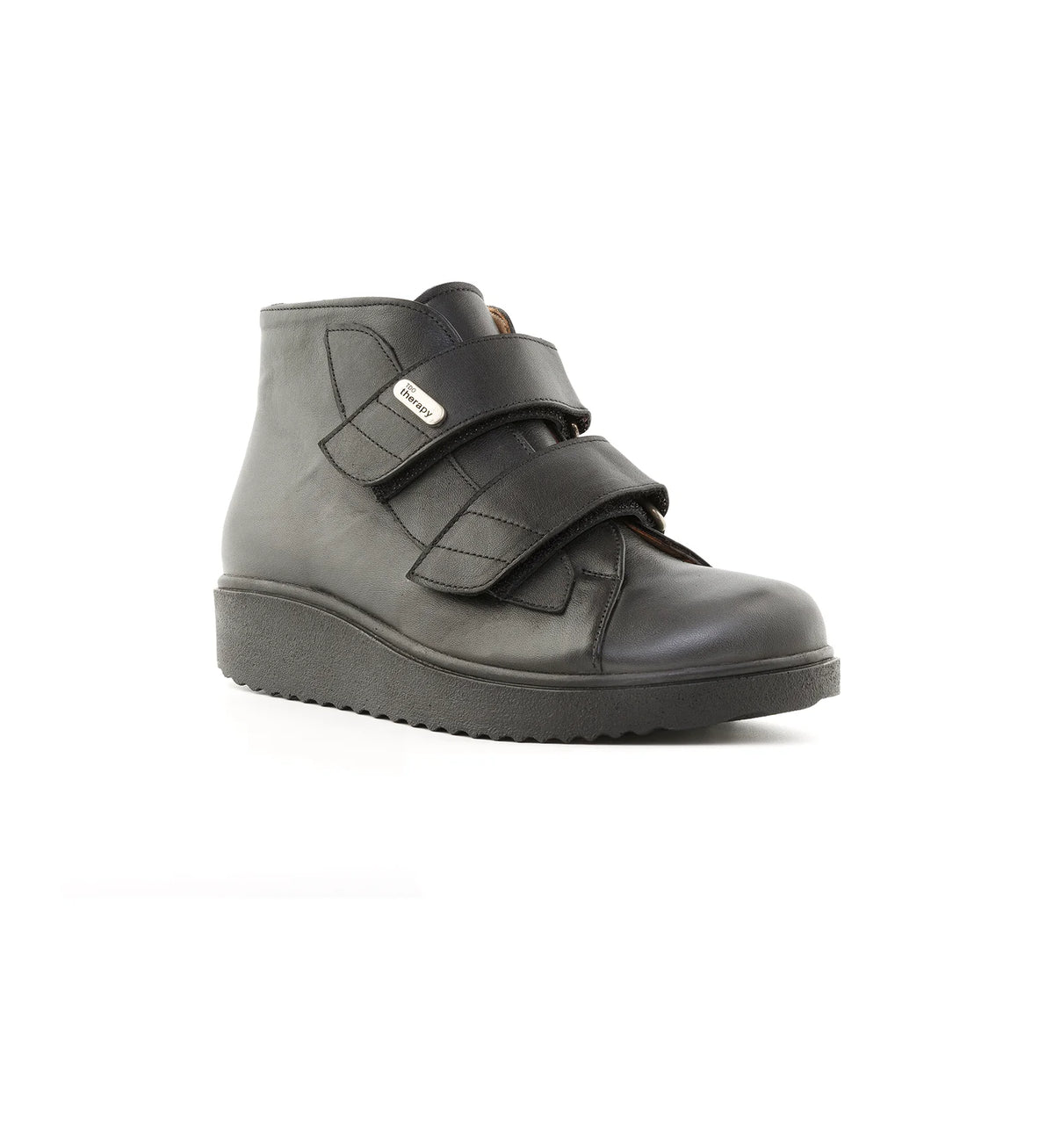
At TDO Therapy, footwear is designed to adapt to the reality of how feet change — both over time and throughout the day.
Our shoes feature a 3-layer protection system, designed not just for cushioning, but for dynamic adaptation.
The 3-Layer Protection System
- Outer Layer: Durable natural leather for structure and protection
- Middle Layer: Integrated nano foam (memory foam system)
- Inner Layer: Seam-free soft lining for friction reduction
How Nano Foam Adapts to Your Feet
The key difference lies in the nano foam layer inside the shoe.
Unlike standard materials, this layer:
- Adapts to the shape of your foot
- Responds to pressure dynamically
- Adjusts throughout the day as your foot expands
This means:
- Your foot is not compressed
- Pressure is absorbed and redistributed
- The shoe moves with your foot, not against it
Why This Matters for Daily Comfort
Because your feet naturally swell during the day, a rigid shoe will eventually feel tight.
But with adaptive materials:
- The shoe maintains comfort from morning to evening
- There is less pressure on sensitive areas
- Movement feels more natural
This is particularly important for:
- Swollen feet (oedema)
- Diabetes
- Sensitive or high-risk feet
- People who spend long hours on their feet
Support + Adaptability: The Right Combination
The best footwear doesn’t just support your foot — it adapts to it.
At TDO Therapy, this is achieved by combining:
- Structured orthopaedic design for stability
- Extra depth fitting for space and comfort
- Rocker bottom soles for pressure reduction
- Adaptive nano foam system for flexibility and protection
This ensures your feet are:
- Supported
- Protected
- Free from unnecessary pressure
Signs Your Shoes No Longer Fit Properly
You may notice:
- Shoes feel tighter later in the day
- Pressure on toes or top of the foot
- Red marks after removing shoes
- Reduced comfort compared to before
These are signs that your footwear is not adapting to your foot anymore.
FAQ
Do feet really change shape over time?
Yes. Ageing, swelling, and medical conditions can all affect foot shape.
Why do my shoes feel tighter in the evening?
Feet naturally swell during the day, increasing in size slightly.
Are wider shoes enough for swollen feet?
Not always. Depth and internal flexibility are just as important.
What makes a shoe adapt to foot changes?
Materials like nano foam and proper depth allow the shoe to adjust to pressure and swelling.
Final Thoughts
Your feet change — and your shoes should be able to keep up.
Choosing footwear that adapts to your foot shape throughout the day can make a significant difference in comfort, protection, and long-term foot health.
The goal is not just to find a shoe that fits once.
It’s to find a shoe that continues to fit, all day, every day.