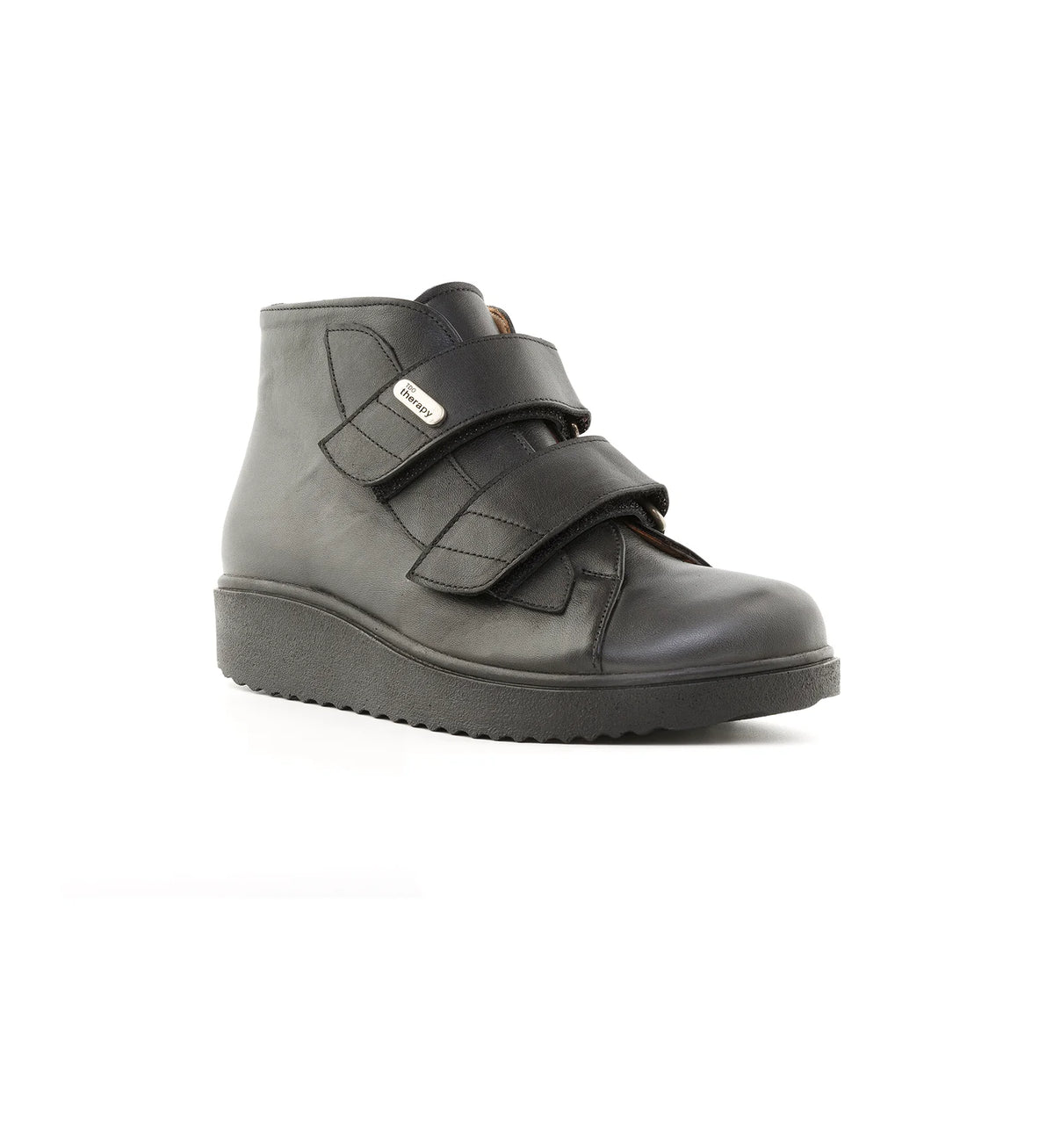

Daily movement should feel natural, easy, and energising — not heavy, tiring, or painful. Yet for many people, footwear is the hidden reason everyday activities feel harder than they should. Heavy shoes, stiff soles, and poor support quietly drain energy with every step, making walking, standing, and moving throughout the day more exhausting than necessary.
Lightweight orthopedic shoes are designed to change that experience. By reducing unnecessary weight while still providing proper support, cushioning, and stability, they help your body move more efficiently. Less effort per step means more comfort, more confidence, and more willingness to stay active throughout the day.
At TDO Therapy, lightweight design is not about sacrificing support — it’s about smart engineering. This guide explains why lightweight shoes matter, how they support effortless daily movement, and what features truly make a shoe light without compromising foot health.
Why Shoe Weight Matters More Than You Think
Many people focus on cushioning or fit, but weight plays a crucial role in how the body moves.
1. Heavier Shoes Increase Energy Use
Every extra gram on your feet multiplies effort. Heavier shoes cause:
-
Faster muscle fatigue
-
Shorter walking endurance
-
Reduced stride efficiency
-
Increased leg and hip strain
Over the course of a day, this adds up significantly.
2. Heavy Footwear Alters Natural Gait
Bulky shoes often force the foot into unnatural movement patterns, leading to:
-
Shortened stride
-
Shuffling
-
Reduced push-off
-
Compensatory posture
Lightweight shoes allow the foot to move more naturally.
3. Weight Impacts Balance and Stability
Excess weight at the foot increases instability, especially for:
-
Older adults
-
People with balance concerns
-
Individuals with weak ankles
-
Those recovering from injury
A lighter shoe improves control and responsiveness.
4. Fatigue Leads to Less Daily Movement
When shoes feel heavy, people subconsciously move less — sitting more, walking less, and avoiding activity. Lightweight footwear removes this barrier.
What Makes a Shoe Truly Lightweight (Without Losing Support)?
Not all lightweight shoes are supportive — and not all supportive shoes need to be heavy. The difference lies in design and materials, not just thickness.
1. Lightweight Orthopedic Soles
Advanced orthopedic soles use:
-
Shock-absorbing compounds
-
Structured but lightweight midsoles
-
Energy-return designs
-
Rocker sole geometry
This reduces weight while maintaining protection.
2. Smart Cushioning, Not Excess Padding
Too much padding increases weight and instability.
Orthopedic shoes use targeted cushioning only where needed:
-
Heel
-
Forefoot
-
Midfoot support zones
Memory foam adapts to the foot without bulk.
3. Breathable Natural Materials
Natural calf leather is lighter and more flexible than many synthetic uppers. It also:
-
Reduces overheating
-
Adapts to foot shape
-
Eliminates unnecessary stiffness
This improves comfort without adding weight.
4. Minimalist Yet Supportive Construction
Lightweight orthopedic shoes focus on:
-
Efficient structure
-
Reinforced key areas (heel & midfoot)
-
Reduced unnecessary overlays
Support comes from structure, not mass.

How Lightweight Shoes Support Effortless Daily Movement
When shoes are light and supportive, movement becomes easier in subtle but powerful ways.
1. Reduced Foot and Leg Fatigue
Lightweight shoes reduce the workload on:
-
Foot muscles
-
Calves
-
Ankles
-
Knees
This means you stay comfortable longer during:
-
Shopping
-
Commuting
-
Standing at home
-
Walking outdoors
2. Improved Walking Efficiency
Lightweight shoes encourage:
-
Longer, smoother strides
-
Natural heel-to-toe motion
-
Better push-off
-
Reduced dragging or shuffling
This improves walking rhythm and confidence.
3. Better Balance and Control
When the foot isn’t weighed down, the body responds faster to changes in surface or direction. This is especially important for:
-
Uneven pavements
-
Indoor hard floors
-
Outdoor paths
-
Busy environments
Lightweight shoes enhance stability rather than compromise it.
4. Increased Willingness to Move
Comfortable, lightweight footwear removes mental resistance to activity. People naturally:
-
Walk more
-
Stand longer
-
Take stairs
-
Go out more often
-
Stay active throughout the day
Movement becomes automatic instead of effortful.
5. Reduced Joint Strain
Every step sends force through the joints. Lightweight shoes reduce cumulative stress on:
-
Ankles
-
Knees
-
Hips
-
Lower back
This is critical for long-term joint health.
Who Benefits Most from Lightweight Orthopedic Shoes?
While everyone benefits from lighter footwear, certain groups notice dramatic improvements:
Older Adults
-
Less fatigue
-
Improved balance
-
Safer movement
-
Easier daily tasks
People with Foot Pain or Sensitivity
-
Reduced pressure
-
Less irritation
-
Better walking tolerance
Those with Arthritis or Joint Stiffness
-
Lower impact
-
Easier motion
-
Reduced strain
People Who Stand or Walk All Day
-
Less end-of-day exhaustion
-
Improved endurance
-
Better posture
Anyone Recovering from Injury
-
Improved confidence
-
Reduced compensation
-
Safer movement
Lightweight Shoes vs Minimalist Shoes: Important Difference
It’s important not to confuse lightweight orthopedic shoes with unsupportive minimalist footwear.
| Lightweight Orthopedic Shoes | Minimalist Shoes |
|---|---|
| Support arches & alignment | Often no support |
| Cushion impact | Minimal cushioning |
| Stabilise heel & midfoot | Little to no stability |
| Reduce fatigue | Can increase strain |
| Protect joints | Can overload joints |
TDO Therapy shoes are lightweight but structured — not minimal and unsupported.
Key Features to Look for in Lightweight Shoes for Daily Movement
When choosing lightweight footwear, look for these essentials:
✔ Lightweight rocker sole
✔ Memory foam cushioning
✔ Natural breathable leather
✔ Reinforced heel counter
✔ Supportive midfoot structure
✔ Wide and extra-wide fitting options
✔ Seamless interior lining
✔ Shock-absorbing sole materials
True comfort comes from balance — not just reduced weight.
How TDO Therapy Designs Lightweight Shoes Correctly
TDO Therapy lightweight orthopedic shoes are engineered to reduce effort without compromising safety or support.
Each pair includes:
✔ Carefully balanced sole weight
✔ Rocker bottom geometry for efficiency
✔ Memory foam embedded for shock absorption
✔ Natural calf leather uppers
✔ Seamless interiors for irritation-free wear
✔ Stable heel counters for balance
✔ Wide, deep designs to prevent pressure
The result: shoes that feel light on your feet — and lighter on your body.
Everyday Activities That Become Easier with Lightweight Shoes
Once footwear weight is reduced, daily life improves in noticeable ways:
✓ Walking to the shops
✓ Standing while cooking
✓ Household tasks
✓ Commuting
✓ Outdoor strolls
✓ Social outings
✓ Travel days
✓ All-day wear without fatigue
Lightweight shoes make movement feel effortless again.
Frequently Asked Questions
Are lightweight shoes good for everyday wear?
Yes — when properly designed, they reduce fatigue and improve comfort.
Can lightweight shoes still be orthopedic?
Absolutely. Support comes from structure and design, not weight.
Are lightweight shoes safe for older adults?
Yes — when they include stability features like rocker soles and heel counters.
Do lightweight shoes reduce foot pain?
They significantly reduce fatigue and pressure, which helps relieve pain.
Are TDO Therapy shoes lightweight?
Yes — they are engineered to balance lightness with medical-grade support.
Final Thoughts
Effortless daily movement starts with what’s on your feet. Heavy, bulky shoes quietly steal energy, reduce comfort, and limit activity. Lightweight orthopedic shoes remove that barrier — allowing your body to move naturally, efficiently, and comfortably throughout the day.
When shoes feel lighter, life feels easier.
At TDO Therapy, our lightweight orthopedic footwear is designed to support your steps without weighing you down — helping you stay active, confident, and comfortable from morning to evening.