
Introduction
As we age, simple daily movements can become more challenging.
Walking, standing, or even moving around the house can feel less stable than before. This is why footwear becomes increasingly important — not just for comfort, but for safety.
The right shoes can help reduce the risk of falls, improve balance, and support confidence both indoors and outdoors.
In this guide, we’ll explain what actually makes a shoe safe for elderly people.
Why Shoe Safety Matters More with Age
Ageing can affect:
- balance
- muscle strength
- joint stability
- reaction time
This means the wrong footwear can quickly increase the risk of:
- slipping
- tripping
- instability
Safe footwear helps create a stable foundation, allowing the body to move more securely.
Key Features of Safe Shoes for Elderly People
Not all “comfortable” shoes are safe. The right footwear should actively support movement and stability.
1. Non-Slip Sole
Grip is one of the most important safety features.
A good sole should:
- provide traction on indoor and outdoor surfaces
- reduce the risk of slipping
- remain stable on smooth floors
This is especially important in environments like kitchens, bathrooms, or pavements.
2. Stable and Structured Design
Shoes should not be overly soft or flexible. A supportive shoe helps improve stability by controlling movement and reducing excessive foot motion.
A structured design helps:
- control foot movement
- improve balance
- reduce wobbling
Too much flexibility can lead to instability.
3. Secure Fastening
Loose shoes increase the risk of falls.
Look for:
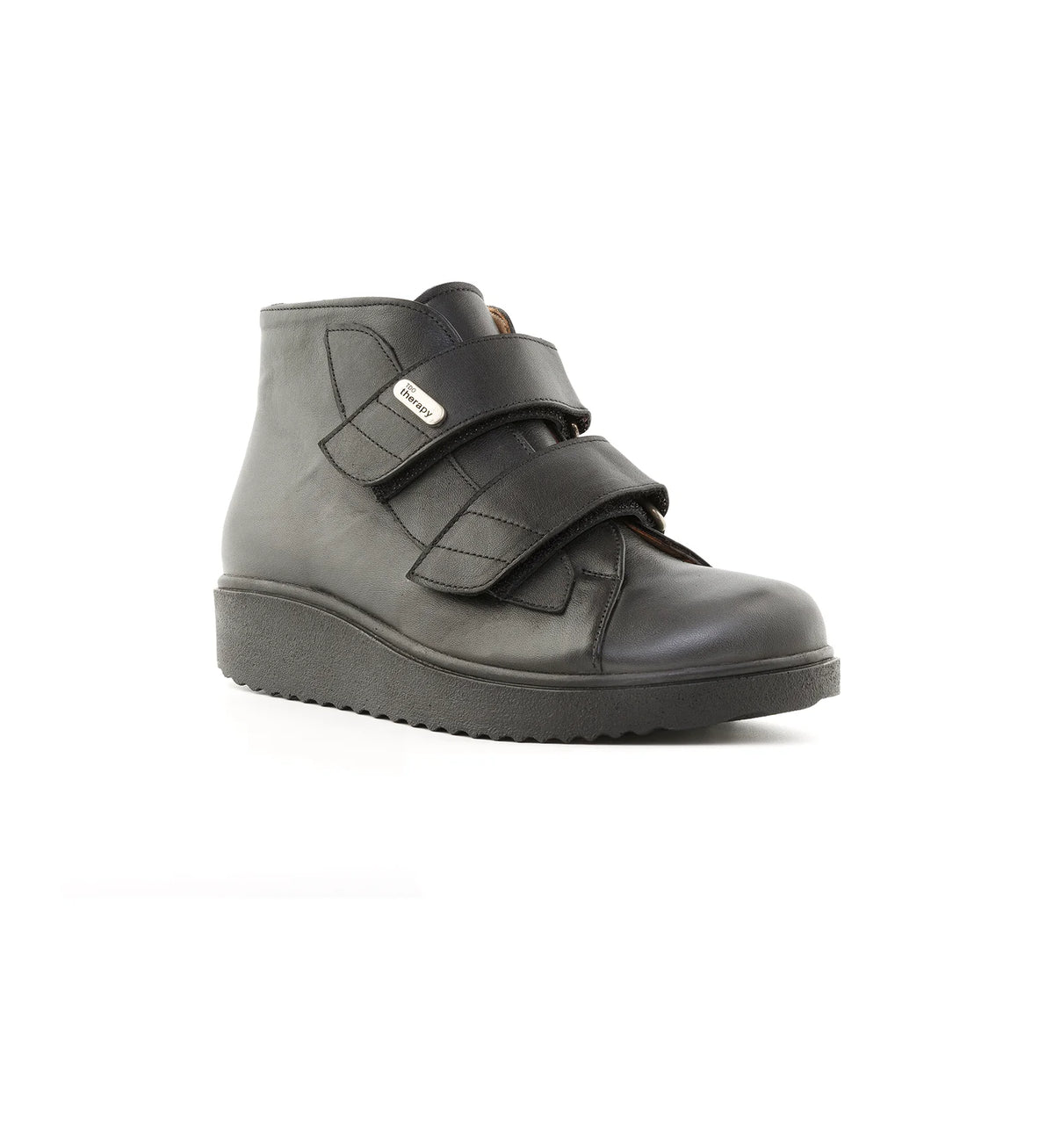
- Velcro straps
- adjustable closures
- secure fit around the foot
This keeps the foot properly positioned inside the shoe.
4. Proper Fit and Toe Space
Shoes that are too tight or too loose can both be dangerous.
Safe shoes should:
- provide enough room for the toes
- avoid pressure points
- accommodate natural foot shape
This helps prevent discomfort and instability while walking.
5. Low Heel and Flat Base
High heels or unstable soles can affect balance.
A safe shoe should have:
- a low, stable heel
- a wide base for support
- even weight distribution
This improves overall stability.
6. Lightweight Construction
Heavy shoes can:
- increase fatigue
- make walking harder
- reduce control
Lightweight shoes help maintain energy and improve ease of movement.
Indoor vs Outdoor Safety: Is There a Difference?
Yes — but the core principles remain the same.
Indoor Footwear
- should have non-slip soles
- must be secure (not loose slippers)
- should provide basic support
Outdoor Footwear
- requires stronger grip
- needs more structure
- should handle uneven surfaces
In both cases, safety comes from stability and proper fit.
Common Mistakes to Avoid
Many people unknowingly choose unsafe footwear. Many falls begin with unstable footwear that lacks structure and proper grip.
Avoid:
- loose slippers without support
- overly soft or worn-out shoes
- backless footwear
- shoes without proper grip
These can significantly increase the risk of falls.
Who Should Prioritise Safe Footwear?
Safe shoes are important for everyone, but especially for:
- older adults
- people with balance issues
- individuals with diabetes
- those recovering from injury or surgery
These groups are more vulnerable to instability and falls.
The TDO Therapy Approach
At TDO Therapy, footwear is designed with safety and support in mind.
Our shoes include:
- structured orthopaedic design for stability
- non-slip soles for improved grip
- secure Velcro fastening for a better fit
- extra depth for comfort and protection
- seam-free interiors to reduce irritation
This combination helps create safer movement in everyday life.
FAQ
What type of shoes are safest for elderly people?
Shoes with non-slip soles, secure fastening, and a stable structure are the safest choice.
Are slippers safe for elderly people?
Only if they provide grip, structure, and a secure fit are many traditional slippers safe.
Should elderly people avoid soft shoes?
Not completely, but overly soft shoes without structure can reduce stability.
Can shoes really help prevent falls?
Yes. Proper footwear plays a key role in improving balance and reducing fall risk.
Final Thoughts
Footwear plays a major role in everyday safety.
The right shoes can provide stability, reduce risk, and help maintain independence — both at home and outside.
Choosing safe, supportive footwear is one of the simplest ways to improve confidence and protect long-term mobility.