
Introduction
Many people assume that a soft shoe automatically means a supportive shoe.
At first, soft footwear can feel comfortable because it cushions the foot and reduces immediate pressure. However, softness alone does not always provide the structure, stability, or long-term support your body needs during walking.
This is where the difference between generic comfort shoes and medical supportive footwear becomes important.
While both may feel comfortable initially, they are designed for very different purposes.
In this guide, we’ll explain what separates true supportive footwear from ordinary soft comfort shoes — and why that difference matters for walking, balance, foot health, and long-term comfort.
Why Soft Shoes Feel Comfortable at First
Soft shoes often create an immediate feeling of comfort because they:
- cushion impact
- feel lightweight
- reduce initial pressure
- allow flexibility
This can make them appealing for everyday use, especially for people experiencing foot discomfort.
However, many soft comfort shoes prioritise softness over support.
Without enough structure, the foot may move excessively inside the shoe, leading to instability and uneven pressure distribution during walking.
The Problem with Overly Soft Footwear
A shoe that feels soft is not necessarily supporting the foot correctly.
When footwear lacks structure, several problems can occur over time.
Reduced Stability
Overly soft soles can allow excessive foot movement while walking.
This may reduce stability and increase the feeling of imbalance, especially in:
- Older adults
- People with balance concerns
- Individuals with weakened joints or muscles
The foot needs controlled support — not uncontrolled movement.
Increased Fatigue
Soft shoes often require the body to work harder to maintain balance and walking efficiency.
This can contribute to:
- Tired feet
- Leg fatigue
- Lower back strain
- Reduced walking comfort throughout the day
Poor Pressure Distribution
Without supportive structure, pressure may concentrate in certain areas of the foot rather than being distributed evenly.
This can increase discomfort in people with:
- diabetes
- neuropathy
- swelling
- arthritis
- sensitive feet
Lack of Midfoot & Heel Support
Many comfort-focused shoes prioritise cushioning but provide limited control around the heel and midfoot.
This may affect:
- Walking mechanics
- Posture
- Stability during movement
- Overall walking confidence
What Makes Medical Supportive Footwear Different?
Medical supportive footwear is designed with a different goal.
Rather than focusing only on softness, it aims to improve:
- Support
- Stability
- Pressure distribution
- Walking comfort
- Long-term foot protection
The objective is not to make the foot sink into the shoe — but to support natural movement more effectively. To learn more about what makes a shoe supportive, you can read our blog here.

Key Features of Supportive Medical Footwear
Structured Sole Support
Supportive footwear uses stable sole construction to help guide walking movement more naturally.
This helps:
- Improve walking stability
- Reduce excessive foot motion
- Support better balance
- Reduce strain on joints
Proper Depth & Internal Volume
Supportive footwear often includes additional depth and internal space.
This helps accommodate:
- Swelling
- Orthotics
- AFOs
- Sensitive feet
- Pressure-sensitive areas
Depth is often more important than simply choosing wider shoes.
Seam-Free Interior Protection
Medical supportive footwear commonly uses seam-free interior lining to reduce friction and irritation.
This is especially important for:
- Diabetic feet
- Neuropathy
- Fragile skin
- Pressure-sensitive feet
Adjustable Secure Fit
A supportive shoe should hold the foot securely without excessive tightness.
Features such as:
- Velcro fastening
- Lace systems
- Hook-and-loop straps
help improve fit while adapting to changes in foot shape throughout the day.
Pressure-Reducing Design
Supportive footwear is designed to improve pressure distribution during walking.
This helps reduce excessive stress on sensitive areas while improving comfort over longer periods of movement.
Why Support Matters More Than Softness
Softness can feel good for a few minutes.
Support matters for every step afterwards.
Walking is a repetitive movement that places continuous stress on the feet, ankles, knees, hips, and lower back. Without proper support, the body often compensates in ways that may increase fatigue and discomfort over time.
Supportive footwear aims to improve how the body moves — not simply how soft the shoe feels when first worn.
This is one of the biggest differences between medical supportive footwear and generic comfort shoes.
Comfort vs Support: Why the Two Are Not the Same
Many people assume comfort and support are identical.
In reality:
- A shoe can feel soft but unstable
- A shoe can feel cushioned but poorly fitted
- A shoe can feel comfortable initially, but create fatigue later
True long-term comfort often comes from:
- Stability
- Proper fit
- Pressure reduction
- Supportive structure
- Controlled movement
rather than softness alone.
Who Benefits Most from Supportive Footwear?
Supportive medical footwear can be especially helpful for:
- Older adults
- People with diabetes
- Individuals with neuropathy
- People with swollen feet
- Those with arthritis
- Orthotic users
- People experiencing instability while walking
- Individuals who spend long hours on their feet
For these groups, support and protection are often more important than excessive softness.
The TDO Therapy Approach
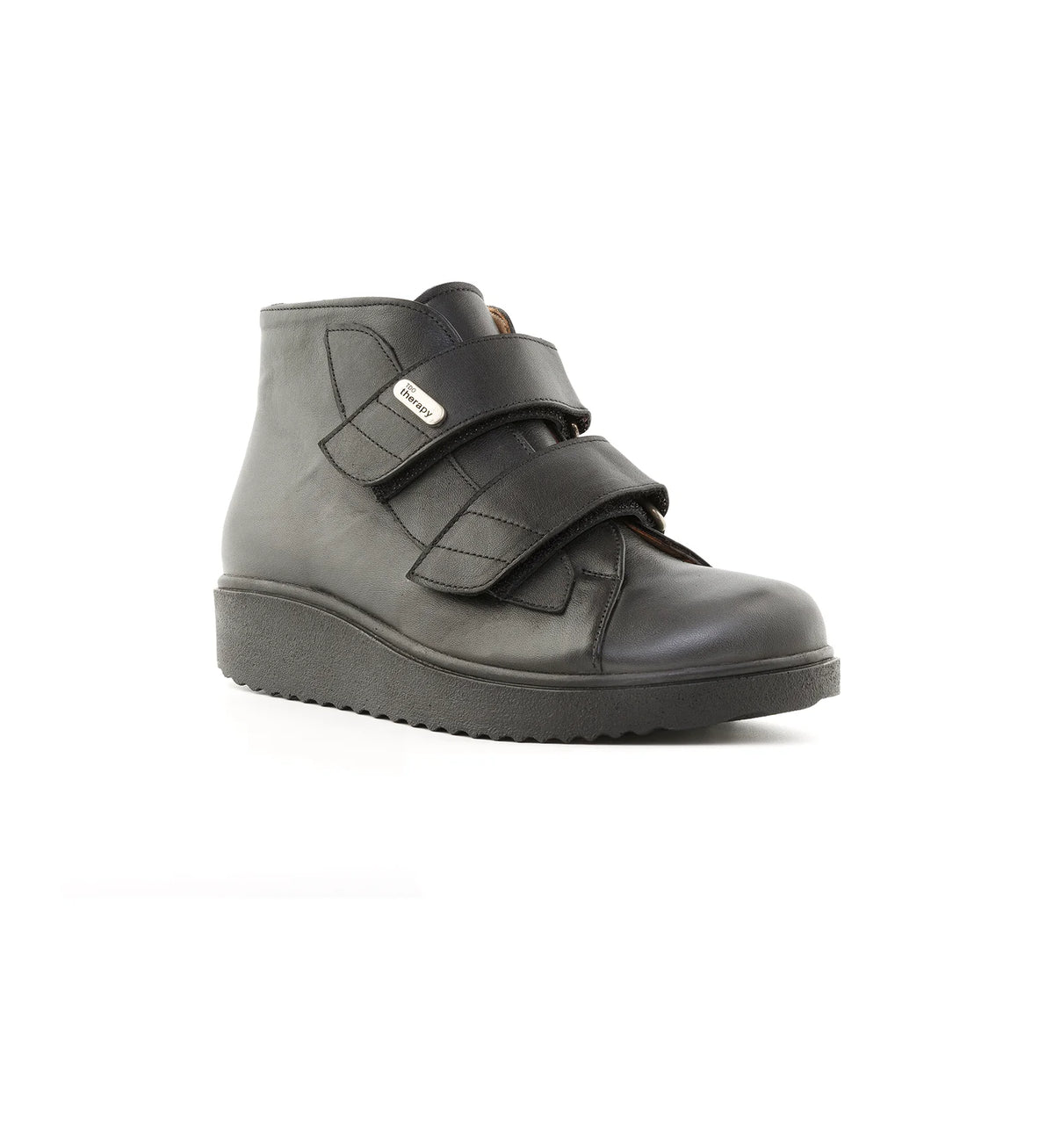
At TDO Therapy, footwear is designed to combine comfort with true supportive structure.
Our footwear includes features such as:
- Supportive sole construction
- Rocker bottom support
- Seam-free interiors
- Soft natural leather uppers
- Extra depth and wider fitting options
- Removable insoles
- Adjustable fastening systems
Rather than relying on softness alone, the focus is on improving stability, reducing pressure, and supporting more confident everyday walking.
FAQ
Are soft shoes bad for your feet?
Not always. Soft materials can improve comfort, but shoes that lack structure and support may contribute to instability and fatigue over time.
What is the difference between comfort shoes and supportive footwear?
Comfort shoes often focus mainly on cushioning, while supportive footwear is designed to improve stability, pressure distribution, and walking support.
Can supportive shoes still feel comfortable?
Yes. Good supportive footwear should combine comfort with proper structure and stability.
Why do soft shoes sometimes make my feet tired?
Overly soft shoes may reduce stability and require the body to work harder during walking, which can increase fatigue.
Is supportive footwear only for older adults?
No. Anyone who experiences discomfort, instability, swelling, or pressure-related foot problems may benefit from more supportive footwear.
Final Thoughts
Softness alone does not always equal support.
While many comfort shoes feel pleasant initially, true long-term walking comfort often depends on structure, stability, pressure reduction, and proper fit.
Medical supportive footwear is designed to support how the body moves throughout the day — not simply provide temporary cushioning.
Choosing supportive footwear can help improve walking comfort, stability, and overall confidence with every step.