
Introduction
Many people don’t realise the impact their shoes have on their overall foot health — until problems start to appear.
At first, unsupportive shoes may feel comfortable. Soft, flexible, and lightweight designs can seem ideal for daily wear. But over time, these types of shoes can lead to progressive foot problems, discomfort, and even long-term damage.
In this guide, we’ll explain exactly what happens to your feet when your shoes lack proper support — and why choosing the right footwear is essential for protecting your health.
The Hidden Problem with Unsupportive Shoes
Shoes without proper support fail to control and guide foot movement.
Instead of stabilising your foot, they allow it to:
- Roll inward or outward excessively
- Collapse under pressure
- Absorb impact without structure
This creates a chain reaction throughout your body — starting from your feet.
1. Your Arch Begins to Collapse
Without proper arch support, your foot loses its natural alignment.
Over time, this can lead to:
- Flat feet or fallen arches
- Increased strain on ligaments
- Foot fatigue, especially after walking or standing
When the arch collapses, your foot becomes less efficient at handling pressure.
2. Pressure Builds in the Wrong Areas
Supportive shoes help distribute pressure evenly.
Unsupportive shoes do the opposite.
This can cause:
- Pain in the forefoot
- Heel discomfort
- Increased risk of calluses and corns
- Higher pressure points in sensitive areas
For people with diabetes or neuropathy, this becomes even more serious, as pressure imbalances can lead to skin breakdown.
3. Your Balance and Stability Decrease
A stable base is essential for safe movement.
Shoes without structure:
- Reduce ground control
- Increase wobbling during walking
- Make it harder to maintain balance
This is especially important for:
- Older adults
- People with reduced sensation in their feet
- Anyone with mobility concerns
Lack of stability can significantly increase the risk of trips and falls.
4. Your Walking Pattern (Gait) Changes
Your body adapts to what your shoes allow.
Without support:
- Your stride becomes less controlled
- Your foot may overpronate or supinate
- Movement becomes inefficient
These changes are often subtle at first — but over time, they place extra stress on your body.
5. Pain Travels Beyond Your Feet
Foot instability doesn’t stay in your feet.
It affects your entire kinetic chain:
- Ankles
- Knees
- Hips
- Lower back
When your feet are not properly supported, your joints compensate — leading to:
- Knee pain
- Hip discomfort
- Back strain
This is one of the most common reasons people experience unexplained lower body pain.
6. Increased Risk of Long-Term Foot Conditions
Wearing unsupportive shoes regularly can contribute to:
- Plantar fasciitis
- Bunions
- Metatarsalgia
- Joint degeneration
These conditions don’t happen overnight — they develop gradually due to repetitive stress and poor support.
Why This Matters Even More for Certain Conditions
If you already have a foot condition, the wrong footwear can accelerate problems.
This includes:
- Diabetes
- Arthritis
- Neuropathy
- Swollen feet (oedema)
In these cases, proper support isn’t just about comfort — it’s about protection and prevention.
How Supportive Footwear Prevents These Problems
Supportive shoes work differently.
They:
- Stabilise your foot
- Guide natural movement
- Distribute pressure evenly
- Reduce strain on joints
Key features to look for:
- ✔ Structured sole unit
- ✔ Stable heel support
- ✔ Proper depth and fit
- ✔ Controlled flexibility
- ✔ Secure fastening (Velcro or laces)
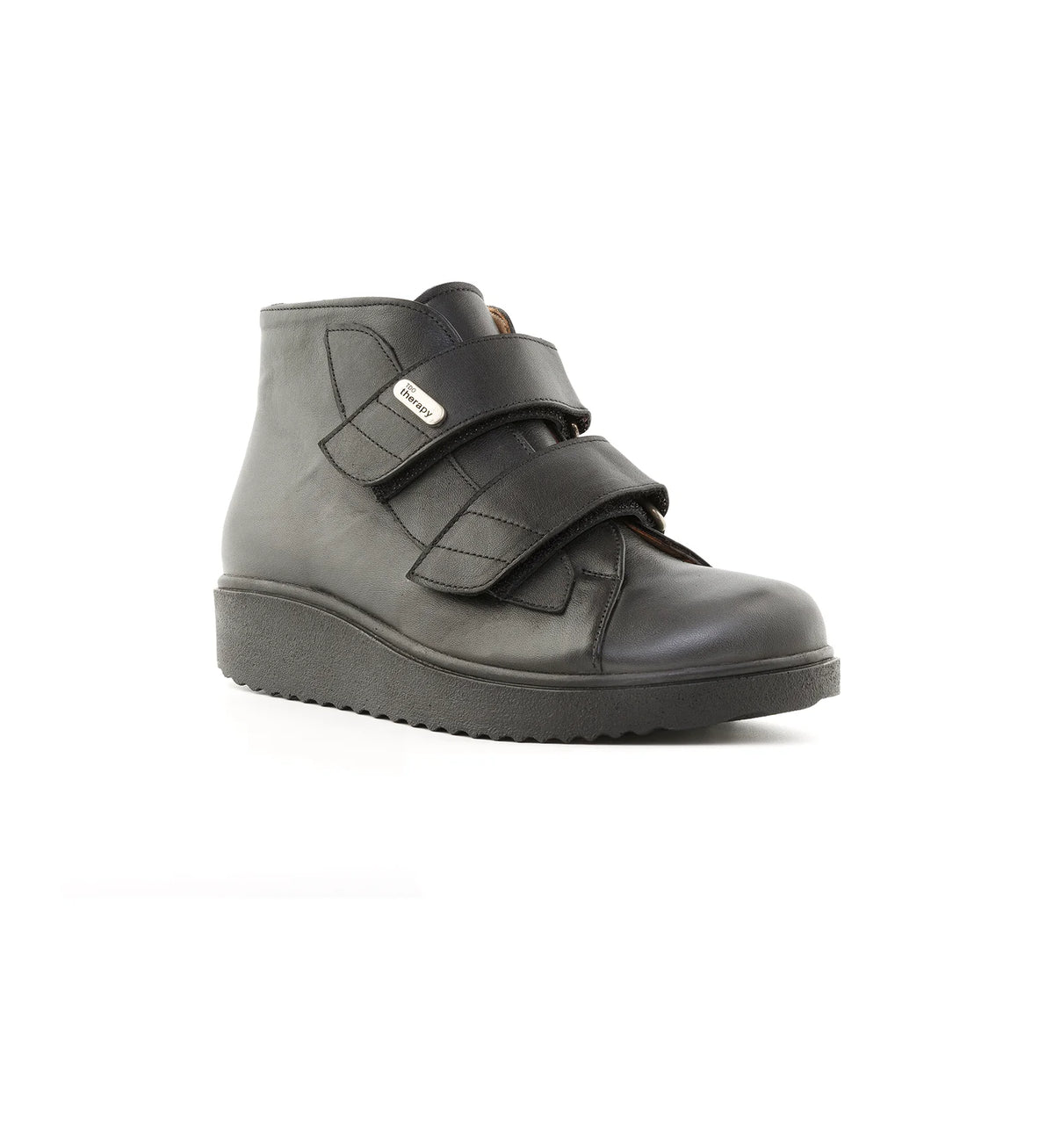
The TDO Therapy Approach
At TDO Therapy, footwear is designed with both comfort and clinical function in mind.
Our shoes include:
- Rocker bottom soles to reduce pressure during walking
- Extra depth construction for better fit and protection
- 3-layer protection system for cushioning with structure
- Seam-free interiors to reduce friction
- Supportive leather uppers that adapt without collapsing
This ensures your feet are not only comfortable — but also properly supported and protected throughout the day.
FAQ
Can wearing the wrong shoes really cause foot problems?
Yes. Over time, unsupportive shoes can lead to structural changes, pain, and long-term conditions.
How do I know if my shoes lack support?
If they feel overly soft, bend easily, or don’t stabilise your foot, they likely lack proper support.
Are lightweight shoes bad for your feet?
Not necessarily — but they must still provide structure and stability.
What kind of shoes should I avoid?
Extremely soft, flat, or flexible shoes with no arch or heel support should be avoided for long-term use.
Final Thoughts
Shoes are more than just something you wear — they directly affect how your body moves and functions.
Wearing shoes without proper support may feel fine at first, but over time, the effects become noticeable — and often uncomfortable.
Choosing supportive footwear is not just about reducing pain.
It’s about protecting your feet, improving stability, and maintaining long-term mobility.