
The Common Misunderstanding About Comfort
When people look for comfortable shoes, the first thing they often focus on is cushioning. Soft, padded shoes are widely associated with comfort, leading many to believe that the softer the shoe, the better it must be for their feet.
However, this is a common misunderstanding.
While cushioning can improve comfort in the short term, it does not necessarily provide the support needed for long-term foot health. In some cases, excessive softness can actually make certain problems worse.
Understanding the difference between cushioning and support is key to choosing the right footwear.
What Is Cushioning in Footwear?
Cushioning refers to the soft materials inside the sole that absorb impact when walking.
It helps:
- Reduce the feeling of impact
- Improve initial comfort
- Provide a softer step
Cushioning can be beneficial, particularly for individuals who spend long hours on their feet. However, cushioning alone does not control how the foot moves.
What Does Proper Support Actually Mean?
Support is about structure — how the shoe holds and guides the foot during movement.
A supportive shoe helps:
- Keep the foot aligned
- Stabilise the heel
- Control excessive movement
- Distribute pressure evenly
Support works continuously throughout the day, not just during the first few steps.
Why Too Much Cushioning Can Be a Problem
Shoes that are very soft may feel comfortable at first, but they can create instability.
Excessive cushioning may:
- Reduce ground stability
- Allow the foot to sink unevenly
- Increase muscle fatigue
- Make balance more difficult
This is especially important for older adults or individuals with joint conditions, where stability plays a critical role in safe movement.
The Link Between Support and Stability
Supportive walking shoes provide a stable base for walking.
This stability helps:
- Improve balance
- Reduce unnecessary movement
- Support natural walking patterns
- Increase confidence while walking
Without proper support, the body has to compensate, which can lead to strain in the feet, knees, and hips.
How Lack of Support Affects the Whole Body
Footwear does not only affect your feet — it influences your entire posture.
Shoes that lack support can contribute to:
- Knee discomfort
- Hip strain
- Lower back pain
- Poor posture
This happens because the body tries to adjust to an unstable base, creating stress in other areas.
Why Support Matters More Over Time
Cushioning provides immediate comfort, but support provides long-term protection.
Over time, supportive footwear can help:
- Reduce joint strain
- Improve walking efficiency
- Maintain alignment
- Prevent foot fatigue
This is particularly important for individuals who wear their shoes for extended periods each day.
Signs Your Shoes Have Cushioning but Not Support
It is possible for a shoe to feel soft but still lack proper support.
Warning signs include:
- Feet feeling tired quickly
- Lack of stability when walking
- Heel movement inside the shoe
- Discomfort after prolonged wear
- Feeling “wobbly” on softer surfaces
These signs indicate that cushioning is present, but structural support is missing.
Finding the Right Balance Between Cushioning and Support
The goal is not to avoid cushioning altogether, but to find the right balance.
A well-designed shoe should offer:
- Moderate cushioning for comfort
- Strong structural support
- Stable sole design
- Secure fit
This combination ensures both comfort and protection.
Why Structured Footwear Performs Better
Structured footwear is designed to maintain its shape and support over time.
Key features include:
- Firm heel support
- Controlled flexibility
- Durable materials
- Stable base
Unlike overly soft shoes, structured footwear continues to support the foot throughout the day.
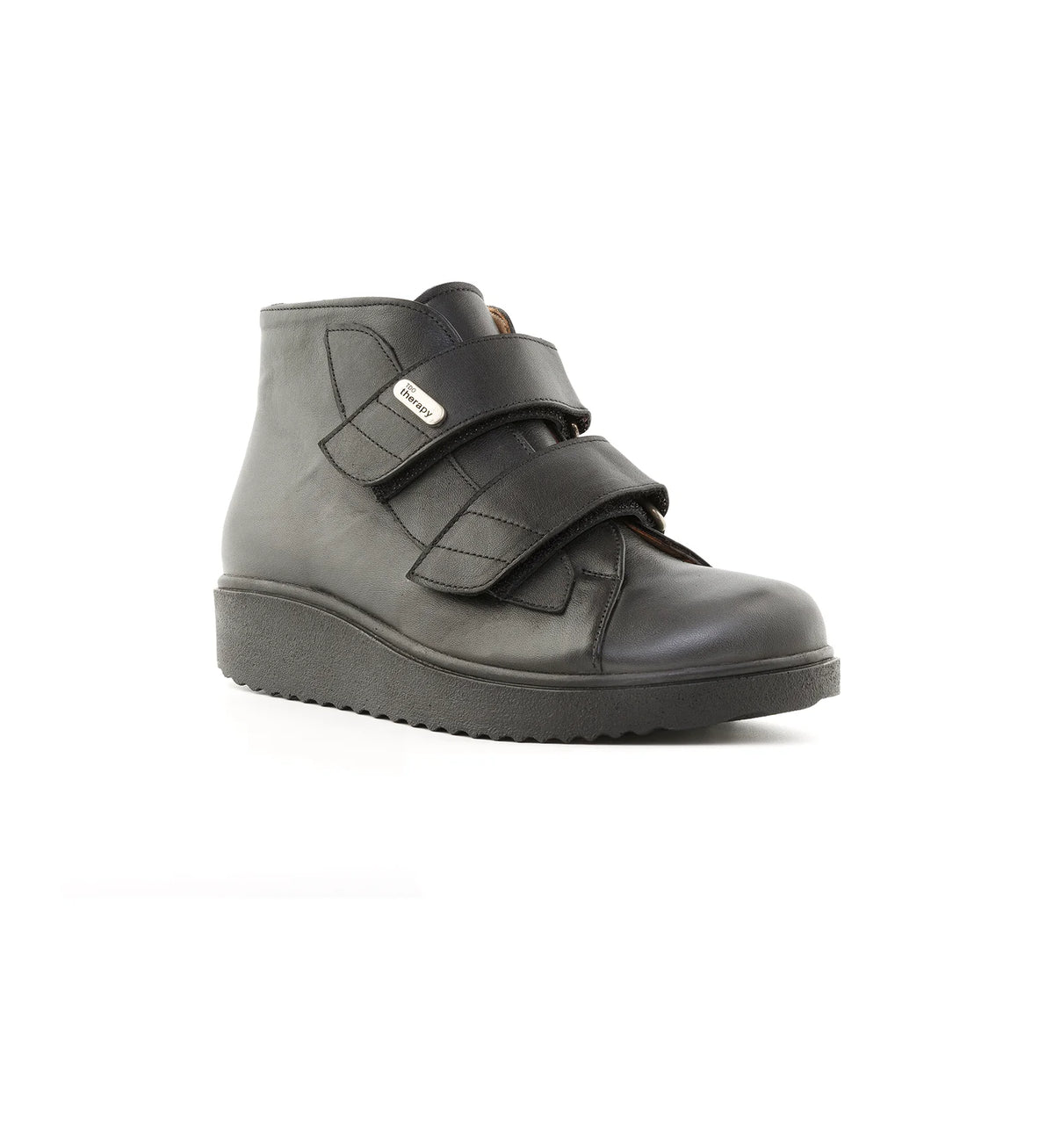
At TDO Therapy, footwear is designed to balance cushioning with structure, ensuring that comfort does not come at the expense of stability.
Who Should Prioritise Support Over Cushioning?
While everyone benefits from good support, it is especially important for individuals who:
- Experience foot pain
- Have arthritis or joint issues
- Feel unstable when walking
- Spend long hours on their feet
- Notice fatigue during daily movement
For these individuals, support is not optional — it is essential.
Why Soft Shoes Can Be Misleading
Soft shoes often feel comfortable during short periods of use, such as when trying them on in a shop.
However, real-world use is different.
After several hours of walking, shoes that lack support may:
- Feel less comfortable
- Increase fatigue
- Provide less control
This is why initial comfort should not be the only factor when choosing footwear.
Final Thoughts: Comfort Should Be Supported
Cushioning can make a shoe feel comfortable, but support is what keeps your feet protected over time.
The best footwear combines both elements, offering:
- Softness where needed
- Structure where it matters
By prioritising support over cushioning alone, you can improve stability, reduce strain, and maintain healthier movement in the long term.