
Introduction
Every time you take a step, your feet go through a complex process of absorbing impact, distributing pressure, and pushing your body forward.
Most people never think about this — until discomfort or pain begins.
Understanding how foot pressure works when you walk can help you:
- Identify the cause of foot pain
- Improve comfort
- Choose better footwear
In this simple guide, we’ll break down how pressure moves through your feet — and why the right shoes make such a big difference.
What Happens When Your Foot Hits the Ground?
Walking is not just a simple motion — it’s a sequence of controlled steps.
Each step includes three main phases:
1. Heel Strike
Your heel makes first contact with the ground.
- Impact force is highest at this point
- Your body weight begins to transfer forward
- Shock absorption is critical
2. Midstance
Your foot becomes flat on the ground.
- Weight is evenly distributed
- Your body moves over your foot
- Stability is key
3. Toe-Off
Your toes push your body forward.
- Pressure shifts to the front of the foot
- Your big toe plays a major role
- Efficient movement depends on proper alignment
How Pressure Moves Through Your Foot
Pressure doesn’t stay in one place — it moves in a pattern.
Typically, it flows:
- From the heel
- Along the outer edge of the foot
- Towards the forefoot
- Ending at the big toe
This natural pathway helps your body move smoothly and efficiently.
What Happens When Pressure Is Not Controlled?
If your shoes don’t support this process, pressure becomes uneven.
This can lead to:
- Overloading certain areas
- Increased friction
- Instability when walking
Common results include:
- Heel pain
- Forefoot discomfort
- Calluses and pressure points
The Role of Proper Foot Support
Supportive shoes help manage pressure effectively.
They:
- Absorb shock at heel strike
- Stabilise your foot during midstance
- Guide pressure smoothly during toe-off
Without support, your foot has to do all the work — which leads to fatigue and strain.

Why Pressure Distribution Matters for Foot Health
Even pressure distribution is essential for preventing problems.
Poor pressure control can contribute to:
- Plantar fasciitis
- Metatarsalgia
- Ulcers (especially in diabetic feet)
- Joint strain
This is why footwear is not just about comfort — it’s about protecting your foot from repeated stress.

How Footwear Affects Pressure
Different types of shoes affect pressure in different ways.
Unsupportive Shoes
- Allow excessive movement
- Create uneven pressure points
- Increase fatigue
Supportive Shoes
- Distribute pressure evenly
- Reduce impact stress
- Improve walking efficiency
The Benefit of Rocker Bottom Soles
One of the most effective features for pressure control is a rocker bottom sole.
It helps:
- Reduce pressure on the forefoot
- Guide the foot through a smoother walking motion
- Decrease the effort needed for push-off
This is especially beneficial for:
- Arthritis
- Diabetes
- Forefoot pain
The TDO Therapy Approach
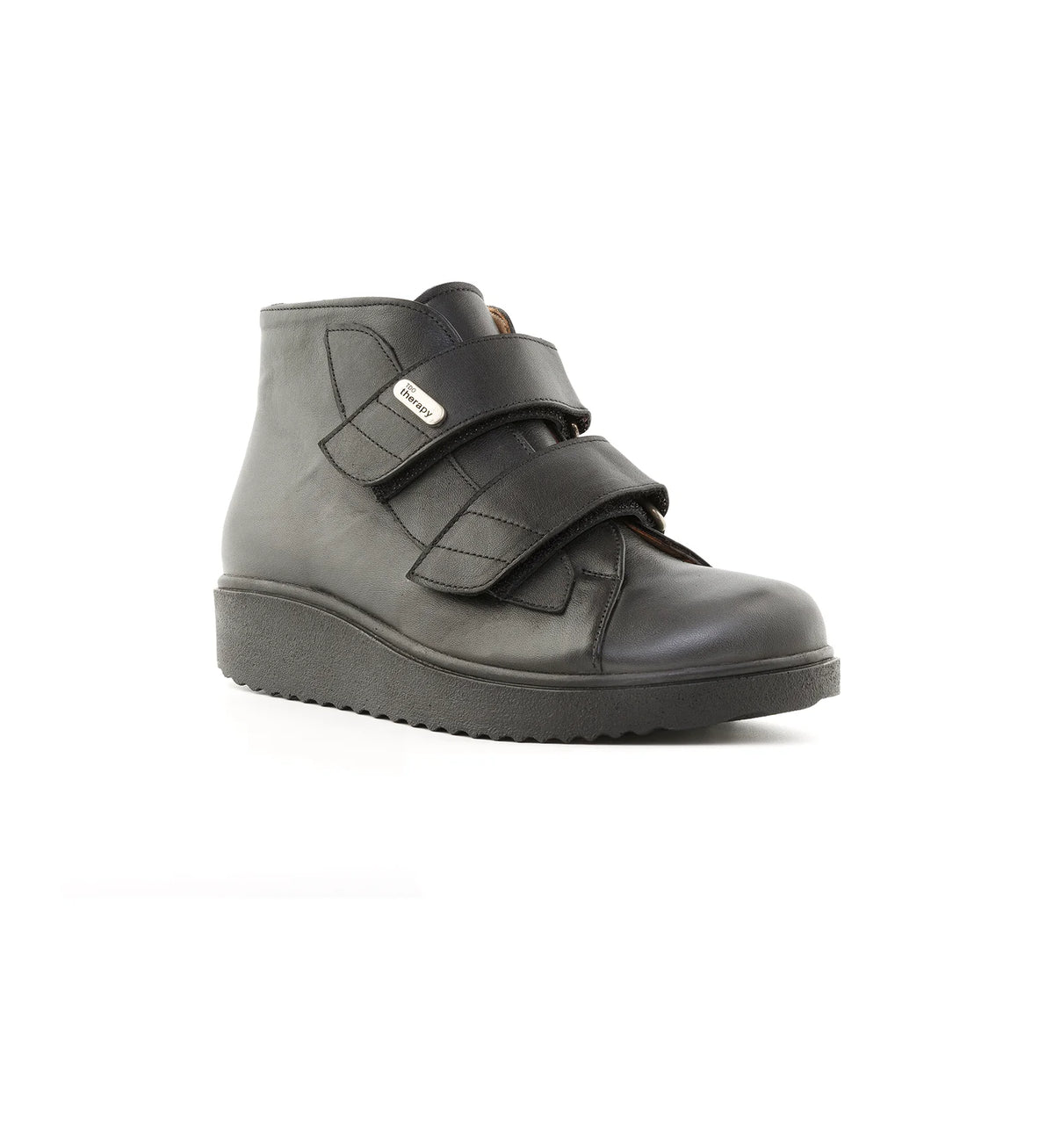
At TDO Therapy, footwear is designed to optimise pressure distribution at every step.
Our shoes include:
- Rocker bottom soles to reduce peak pressure points
- Structured orthopaedic design for stability
- Extra depth construction to accommodate foot shape changes
- 3-layer protection system for shock absorption and comfort
- Seam-free interiors to reduce friction
This ensures that pressure is not just absorbed — but properly managed throughout the walking cycle.
Signs of Poor Pressure Distribution
You may be experiencing uneven pressure if you notice:
- Pain in specific areas of the foot
- Calluses forming in the same spots
- Burning sensation when walking
- Fatigue after short periods of standing
FAQ
What part of the foot takes the most pressure?
The heel and forefoot typically experience the highest pressure during walking.
Can shoes reduce foot pressure?
Yes. Proper footwear helps distribute pressure evenly and reduce stress on specific areas.
Why do I feel pain in the ball of my foot?
This is often due to excessive pressure during the toe-off phase.
Are rocker sole shoes good for pressure relief?
Yes. They help guide movement and reduce pressure on sensitive areas.
Final Thoughts
Walking may feel effortless — but it involves a complex system of pressure control and movement.
When that system is supported properly, your body moves efficiently and comfortably.
When it’s not, problems begin to develop.
Choosing the right footwear helps ensure that every step you take is supported, stable, and protected.