
Introduction
When choosing shoes, most people focus on one thing:
Comfort.
If a shoe feels soft, light, and easy to wear, it’s often seen as a good choice. But here’s the reality:
Comfort alone is not enough to protect your feet.
In fact, some of the most “comfortable” shoes can lead to long-term problems if they lack proper support and structure.
In this guide, we’ll explain why comfort is only part of the equation — and what truly matters when choosing the right footwear.
What Does “Comfort” Really Mean?
Comfort is subjective.
A shoe may feel comfortable because it is:
- Soft
- Flexible
- Lightweight
But this type of comfort is often short-term.
It doesn’t necessarily mean the shoe is:
- Supporting your foot
- Controlling movement
- Protecting against pressure
The Problem with “Soft = Good” Thinking
Many modern shoes are designed to feel good immediately.
They often:
- Use soft foam
- Have flexible soles
- Lack structure
At first, this feels great.
But over time:
- Your foot becomes unstable
- Your arch is unsupported
- Your body compensates
This can lead to:
- Foot fatigue
- Joint strain
- Poor walking mechanics
Comfort vs Support: What’s the Difference?
Comfort and support are not the same thing.
- Comfort = how the shoe feels
- Support = how the shoe performs
A supportive shoe:
- Stabilises your foot
- Guides movement
- Reduces pressure
- Maintains alignment
The best footwear combines both — but support must come first.
What Happens When You Choose Comfort Alone
Relying only on comfort can lead to:
- Increased foot movement inside the shoe
- Uneven pressure distribution
- Reduced balance and stability
- Long-term strain on joints
Over time, this may contribute to:
- Foot pain
- Knee discomfort
- Back issues
Why Structure Matters More Than Softness
Structure is what protects your foot.
A well-structured shoe:
- Holds your foot in place
- Controls movement
- Supports natural alignment
Without structure, your foot has to do all the work — leading to fatigue and instability.
The Missing Piece: Adaptive Comfort
This is where most footwear fails.
They either offer:
- Soft comfort without support
or - Rigid support without comfort
The ideal solution is adaptive comfort — a system that combines both.
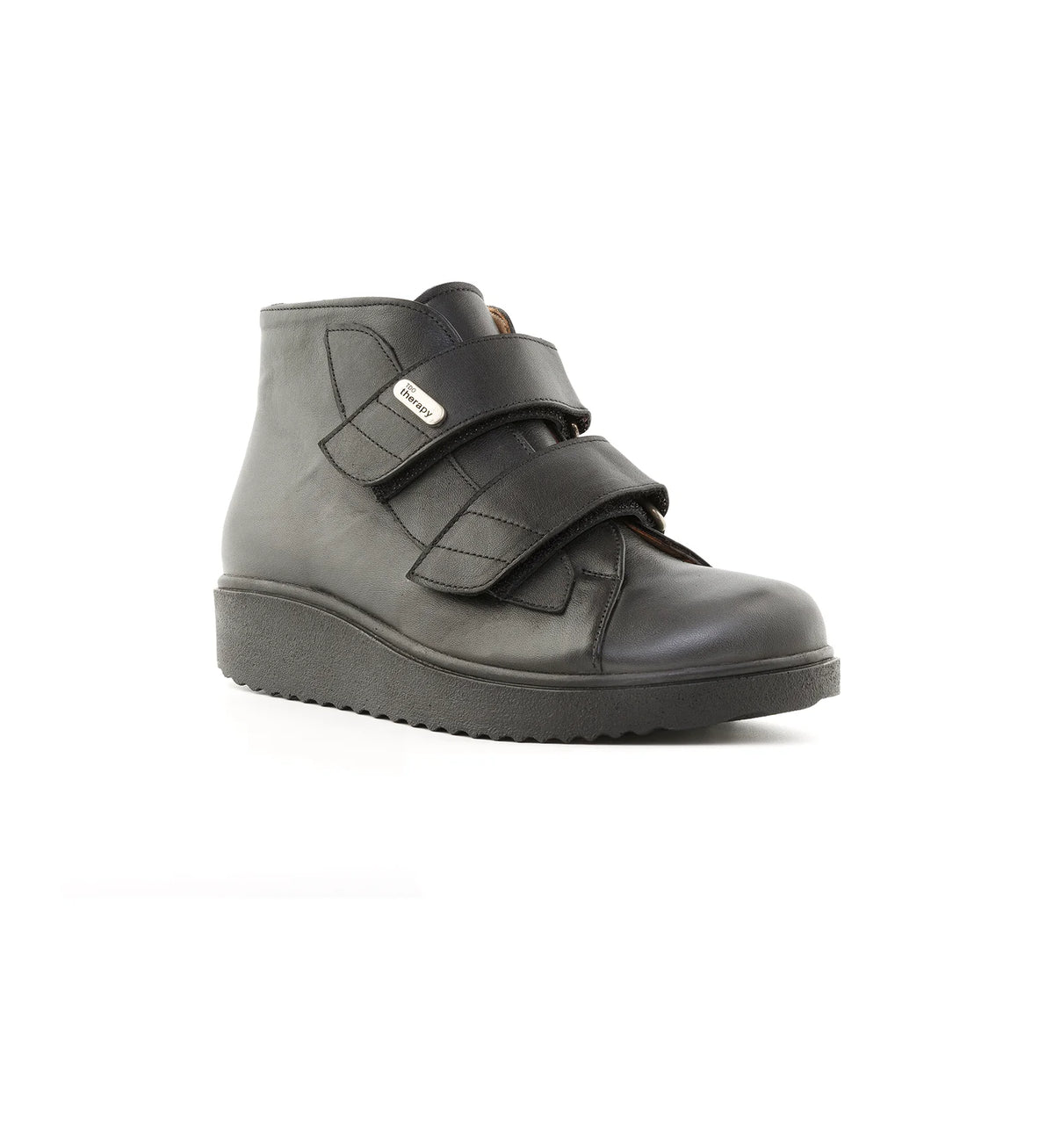
The TDO Therapy Approach: Comfort That Adapts
At TDO Therapy, comfort is not just about softness — it’s about how the shoe interacts with your foot throughout the day.
Our footwear is built around a 3-layer adaptive comfort system, designed to provide both protection and flexibility.
The 3-Layer System
- Outer Layer: Provides structure and protection
- Middle Layer: Nano foam technology that adapts to pressure
- Inner Layer: Seam-free lining for reduced friction
How Nano Foam Changes the Experience
Unlike standard cushioning, the nano foam layer inside TDO Therapy shoes:
- Adapts to your foot shape
- Responds to pressure dynamically
- Adjusts as your foot expands during the day
This means:
- No squeezing or tightness
- No excessive pressure points
- Consistent comfort from morning to evening
Your foot is not forced into the shoe —
the shoe adapts to your foot.
Why This Matters for Real Life
Your feet are constantly changing:
- Swelling throughout the day
- Shifting under pressure
- Reacting to movement
A shoe that only feels comfortable at first will not perform throughout the day.
Adaptive comfort ensures:
- Long-lasting wearability
- Reduced fatigue
- Better overall foot health
Who Should Pay Attention to This?
This is especially important for:
- People with diabetes
- Those with swollen feet (oedema)
- Individuals with sensitive feet
- Anyone who spends long hours standing or walking
But in reality — it applies to everyone.
How to Choose the Right Shoe
Look beyond softness.
Choose shoes that offer:
- ✔ Structured support
- ✔ Proper depth
- ✔ Secure fit
- ✔ Pressure distribution
- ✔ Adaptive internal materials
FAQ
Are soft shoes bad for your feet?
Not always — but without structure, they can lead to instability and long-term issues.
What is more important: comfort or support?
Support is more important. Comfort should come from proper support.
What is adaptive comfort?
It’s a combination of support and materials that adjust to your foot shape and pressure.
Can the right shoes prevent foot problems?
Yes. Proper footwear can reduce pressure, improve alignment, and protect your feet.
Final Thoughts
Comfort is important — but it’s not enough on its own.
The right footwear should not only feel good when you put it on,
but continue to support, adapt, and protect your feet throughout the day.
Because real comfort is not just how a shoe feels —
it’s how it performs over time.